Introduction: The Dawn of a Digital Revolution
Over the last two decades, the world has witnessed an extraordinary transformation in how entertainment, competition, and technology intersect. Esports, or electronic sports, has evolved from a niche hobby enjoyed by small groups of gamers into a global phenomenon that rivals traditional sports in scale, audience, and influence. What was once dismissed as “just video games” has grown into a billion-dollar industry that attracts millions of viewers, offers lucrative careers, and commands mainstream attention from sponsors, media networks, and even governments.
The rise of esports is not merely a technological trend but a cultural movement that reflects the changing dynamics of how people connect, compete, and consume content. To understand this modern marvel, one must explore its roots, development, and the complex ecosystem that sustains it today.
The Origins of Competitive Gaming
Before esports became a global spectacle, competitive gaming had humble beginnings. The first recorded video game competition took place in 1972 at Stanford University, where students played “Spacewar!” for a grand prize of a year’s subscription to Rolling Stone magazine. It was a modest start, but it planted the seed for what would later become an international industry.
In the 1980s, the rise of arcade gaming brought competitive play into public spaces. Games like Pac-Man, Donkey Kong, and Space Invaders created a culture of high-score chasing, where players vied for dominance on leaderboard screens. The 1990 Nintendo World Championships marked a milestone by formalizing gaming competitions and showcasing them as large-scale events.
However, the real foundation of modern esports was laid in the 1990s and early 2000s, with the rise of multiplayer games and the spread of the internet. Titles like Doom, Quake, and StarCraft enabled players from different locations to compete directly with one another, establishing a new kind of connected competition that transcended local arcades and living rooms.
The Golden Era of Online Gaming
The early 2000s marked the true beginning of organized esports. With broadband internet becoming widely accessible, players could participate in online tournaments without physical boundaries. South Korea became a pioneering nation in this field, turning games like StarCraft: Brood War into national obsessions. Professional players became celebrities, earning sponsorships and appearing on television broadcasts.
During this time, esports began to adopt the structure of traditional sports. Teams were formed, leagues were established, and tournaments offered cash prizes. The World Cyber Games and the Electronic Sports World Cup were early examples of international competitions that brought together players from around the globe.
The infrastructure to support esports started to take shape — from dedicated gaming arenas to professional commentators, or “casters,” who narrated the action with the same passion and precision found in traditional sports broadcasts. What was once a subculture was rapidly transforming into a legitimate and organized sport.
The Streaming Revolution and Global Expansion
The single most transformative event in esports history was the rise of live-streaming platforms. The launch of platforms like Twitch, YouTube Gaming, and other streaming services revolutionized how audiences engaged with gaming. Suddenly, fans could watch their favorite players and teams in real time, interact with them through chat, and become part of a global digital community.
Streaming made esports accessible to millions of viewers who might never have attended a live event. It also democratized the industry, allowing anyone with skill, personality, and internet access to build a following. The barrier between players and fans became thinner than ever before, creating a sense of intimacy and authenticity that traditional sports often lacked.
Esports organizations capitalized on this momentum. Games like League of Legends, Dota 2, Counter-Strike: Global Offensive, and Overwatch developed structured competitive circuits, complete with seasonal championships, player transfers, and massive prize pools. The League of Legends World Championship, for instance, began attracting viewership numbers comparable to major traditional sporting events.
Esports as a Legitimate Career
One of the most significant shifts in perception has been the recognition of esports as a viable career path. What was once considered a pastime now offers opportunities for professional players, coaches, analysts, commentators, event organizers, and marketing professionals. Top players earn salaries comparable to athletes in traditional sports, supplemented by sponsorship deals, streaming revenue, and tournament winnings.
Moreover, universities and educational institutions have begun offering scholarships and degree programs related to esports management, game design, and broadcasting. This academic recognition has further cemented the industry’s credibility, ensuring that esports continues to attract new talent and innovation.
Parents, once skeptical of gaming as a career, are now witnessing young people turning their passion into a profession. The success stories of players who rose from basement gamers to international stars have inspired a generation to view gaming not as an escape but as an opportunity.
The Role of Technology in Esports Growth
Esports could not exist without the technological advances that support it. High-speed internet, powerful gaming hardware, and sophisticated streaming platforms have created the foundation for seamless global competition. Cloud computing and low-latency networks ensure that players can compete across continents with minimal lag, while advancements in graphics and game design make the viewing experience more engaging than ever.
Artificial intelligence and data analytics are also playing increasingly important roles. Teams use AI-driven analytics to study opponents, identify patterns, and develop strategic advantages. Meanwhile, virtual reality and augmented reality are being explored as the next frontier for immersive spectator experiences, blurring the line between digital and physical competition.
The continual evolution of technology ensures that esports remains at the cutting edge of entertainment. Every new innovation opens fresh possibilities for gameplay, broadcasting, and audience engagement.
The Cultural Impact of Esports
Beyond its economic and technological dimensions, esports has had a profound cultural impact. It has united people from diverse backgrounds under a shared love of competition and creativity. Gamers from different continents compete on equal footing, fostering global friendships and rivalries that transcend language and geography.
Esports has also become a cultural bridge between generations. Older audiences who may not have grown up with gaming are now attending tournaments with their children, recognizing the passion and dedication that define the community. The rise of esports has given gaming a new level of legitimacy, transforming it from a solitary hobby into a global cultural movement.
Fashion brands, musicians, and celebrities have also joined the scene, contributing to esports’ mainstream appeal. Collaborations between game developers and popular artists have turned major tournaments into multimedia events that combine music, storytelling, and digital art.
The Business of Esports
The business ecosystem surrounding esports is vast and multifaceted. Sponsorship and advertising form the backbone of the industry’s revenue, with companies eager to reach the highly engaged and tech-savvy audience that esports commands. Brands ranging from hardware manufacturers to energy drink companies invest heavily in team sponsorships, tournament branding, and influencer marketing.
Franchise-based leagues, such as the Overwatch League and Call of Duty League, mirror traditional sports organizations, offering investors stable revenue-sharing models. Prize pools for major tournaments can reach tens of millions of dollars, creating intense competition among teams and players.
Additionally, esports merchandising, digital goods, and media rights have become major income sources. As streaming platforms compete for exclusive broadcasting rights, the value of esports content continues to rise. This growing commercialization has not only expanded the industry but also introduced new challenges related to player welfare, contract fairness, and sustainability.
The Spectator Experience
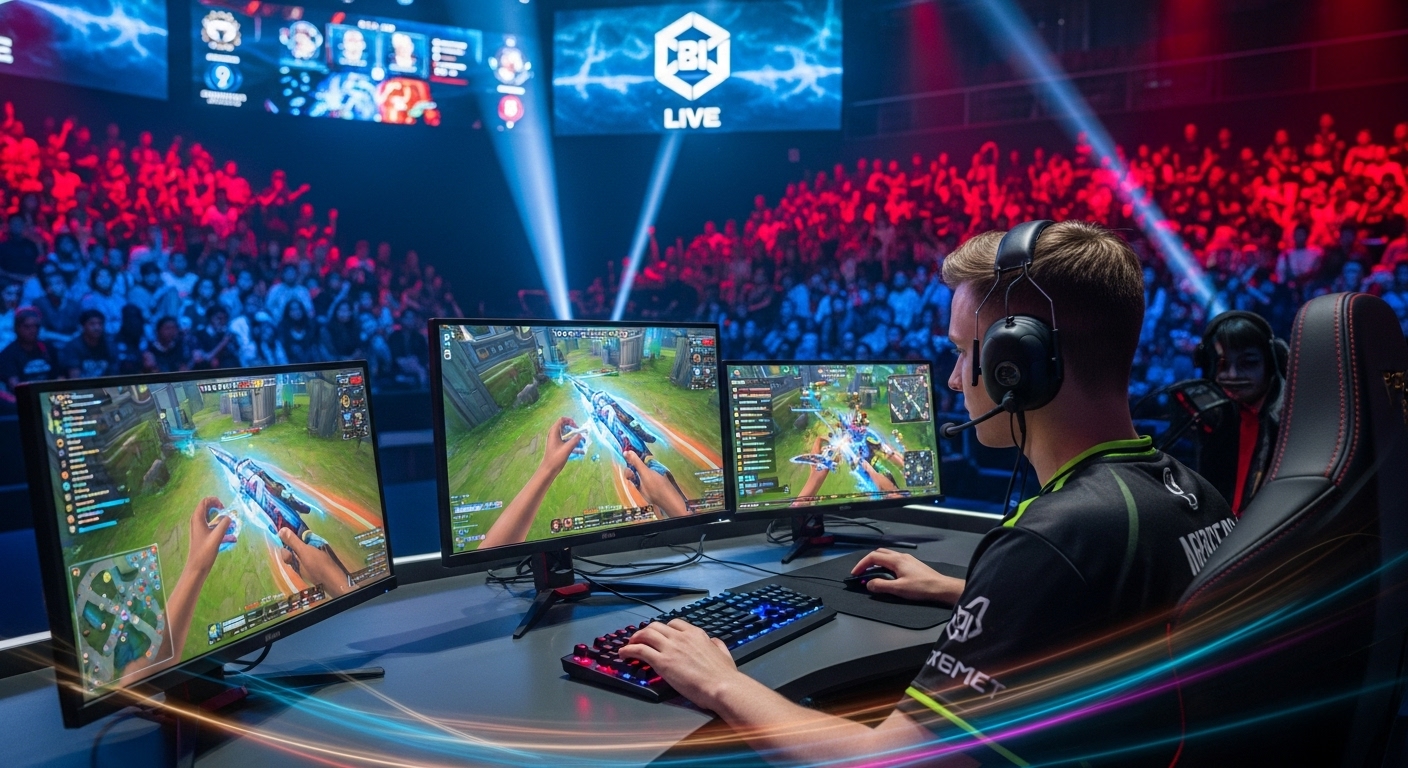
Watching esports is unlike watching any other form of entertainment. The combination of real-time strategy, high mechanical skill, and unpredictable outcomes creates a uniquely thrilling experience. Professional broadcasts now include sophisticated overlays, instant replays, and expert commentary that help both newcomers and seasoned fans understand the action.
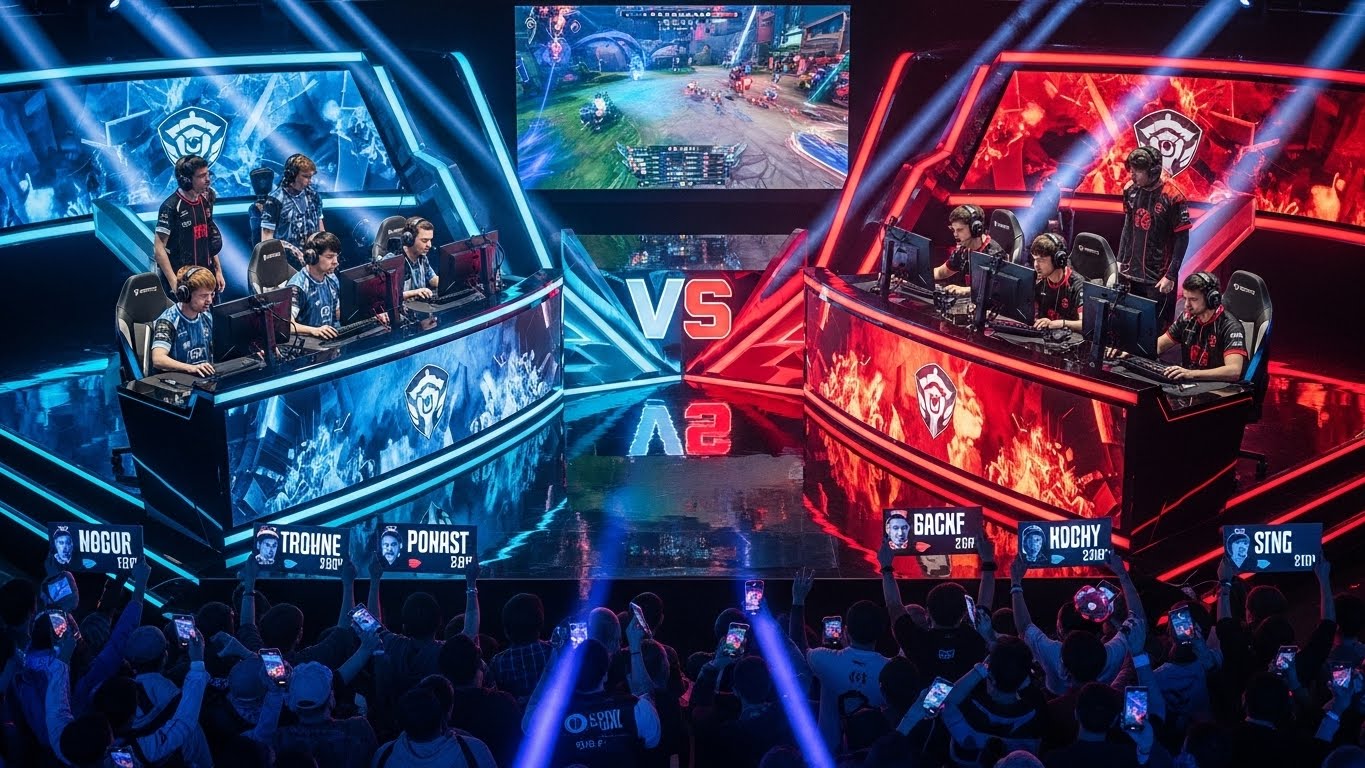
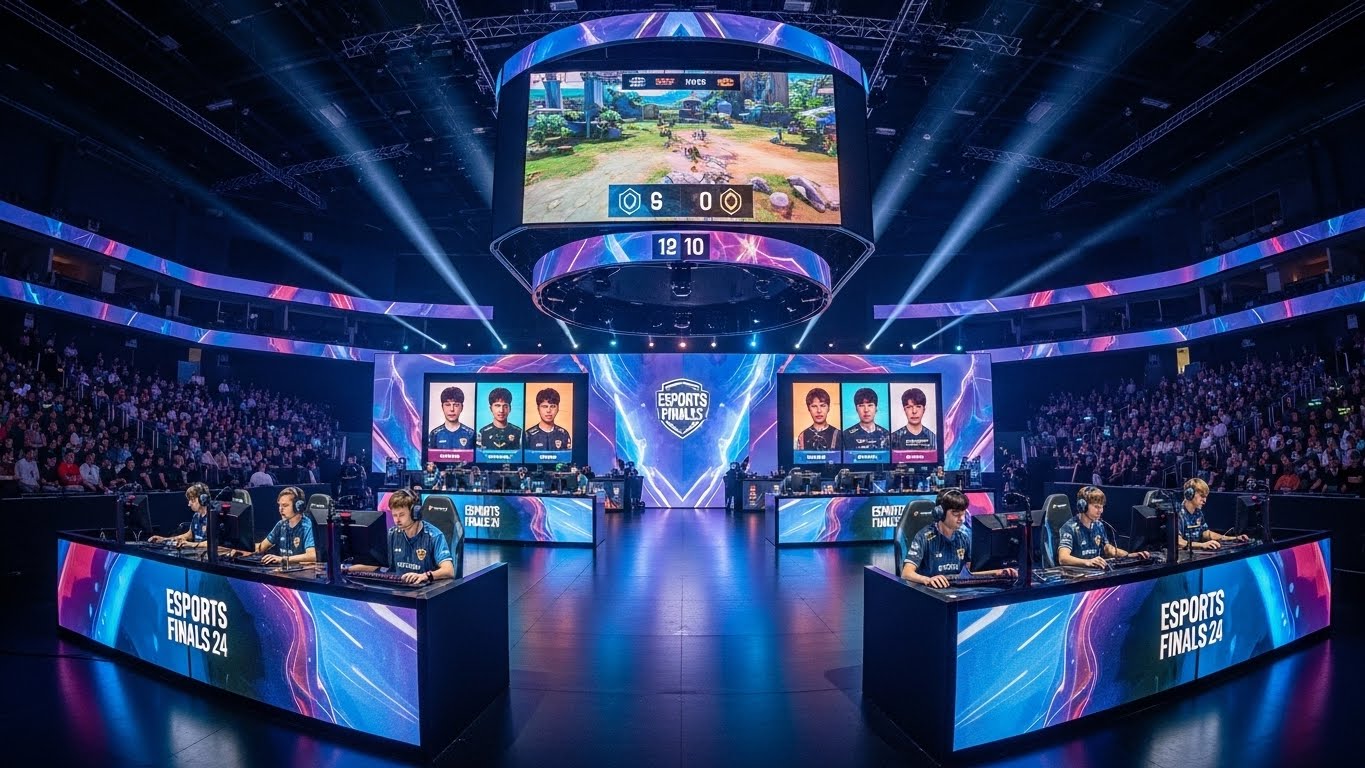
Large-scale events such as The International, Fortnite World Cup, and League of Legends Worlds are held in sold-out arenas, with production values rivaling those of the Super Bowl or the Olympics. Spectators cheer for their favorite teams with the same enthusiasm seen in football or basketball stadiums, waving banners, chanting, and celebrating every play.
The sense of community among esports fans is powerful. Online forums, fan art, cosplay, and meetups create a culture that extends beyond the game itself. Esports has given rise to an identity that blends competition with creativity, passion, and belonging.
Challenges Facing the Esports Industry
Despite its rapid growth, esports faces several challenges that must be addressed to ensure its sustainability. One major issue is player burnout. Professional gamers often practice for 10 to 14 hours a day, leading to physical and mental exhaustion. Unlike traditional sports, where athletes have decades of institutional support, esports is still developing its infrastructure for health management, coaching, and career longevity.
Another challenge is maintaining integrity. Issues such as cheating, match-fixing, and performance-enhancing software threaten the credibility of competitions. Regulatory bodies and tournament organizers are working to establish standardized rules and enforcement mechanisms, but global consistency remains a work in progress.
Diversity and inclusion are also important topics. While esports has made strides in accessibility, the industry still struggles with gender representation and toxic online behavior. Promoting a safe and inclusive environment for all players is essential for the future of the sport.
Lastly, as esports grows more commercialized, maintaining its grassroots authenticity is a delicate balance. Fans value the community-driven spirit that built esports, and preserving that ethos while expanding into mainstream entertainment is a challenge for organizers and corporations alike.
The Future of Esports
The future of esports looks brighter than ever. Industry forecasts predict continued growth in viewership, sponsorship, and technological innovation. Virtual and augmented reality are expected to redefine how fans interact with live matches, potentially allowing them to “step into” the game world as spectators.
Esports may also find a place in major international sporting events. Discussions about including esports in the Olympic Games have already begun, reflecting the recognition of gaming as a legitimate athletic discipline requiring skill, teamwork, and mental resilience.
Education and youth development will also play vital roles in shaping the next generation of esports talent. As more schools and colleges incorporate esports programs, the pathway from amateur to professional will become clearer and more structured.
Ultimately, the growth of esports symbolizes a larger cultural shift toward digital experiences. As technology continues to blur the boundaries between the physical and virtual worlds, esports stands at the forefront of this transformation — a testament to human creativity, competition, and community.
Conclusion: Esports and the Human Spirit
Esports is more than a form of entertainment; it is a reflection of the human spirit’s adaptability and passion for competition. It has turned digital play into a stage where skill, strategy, and storytelling converge. In every tournament, every match, and every player’s journey, there is a story of ambition, teamwork, and perseverance.
What began in university basements and arcades has become a global celebration of talent and technology. As esports continues to evolve, it will shape not only how we play but also how we connect, create, and dream. It stands as a powerful reminder that the desire to compete and excel is universal — whether on a field, a court, or a digital battlefield.