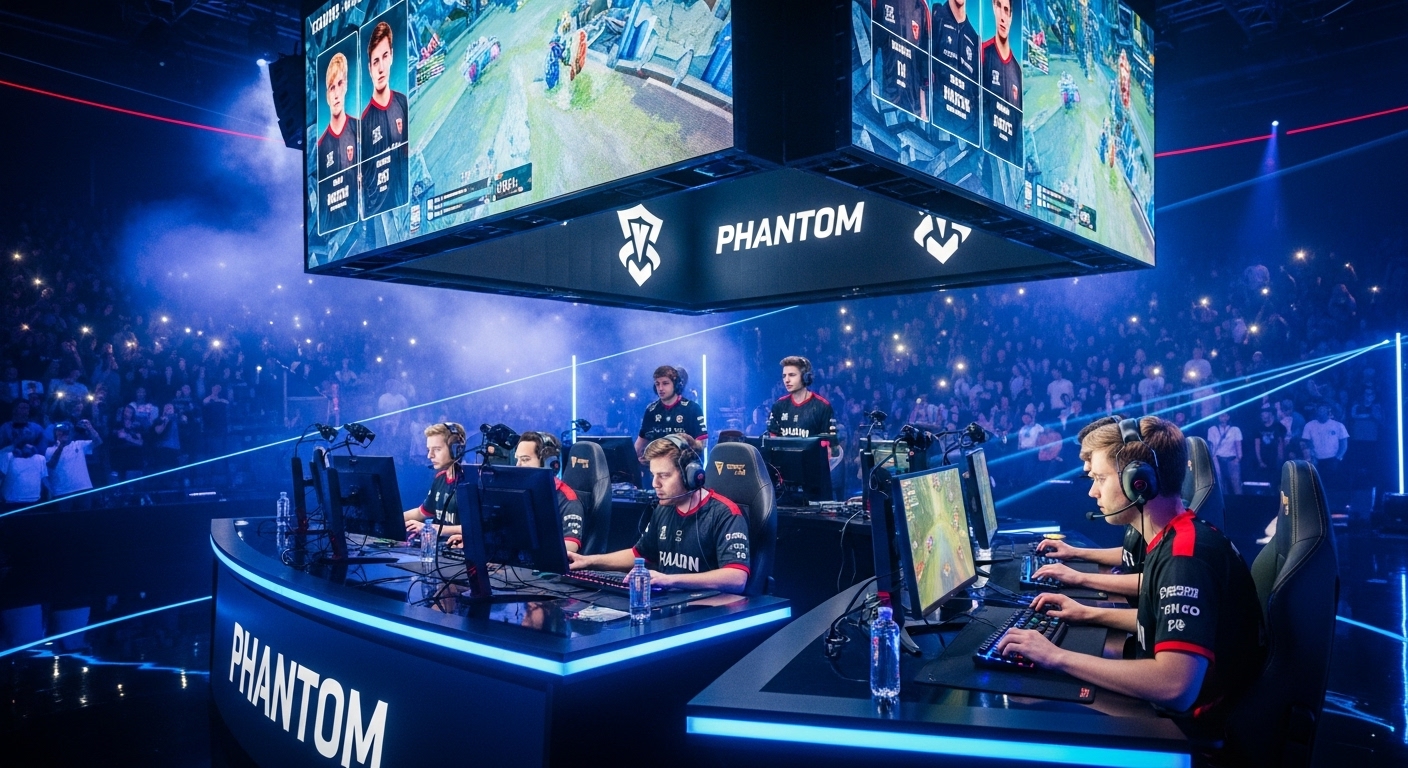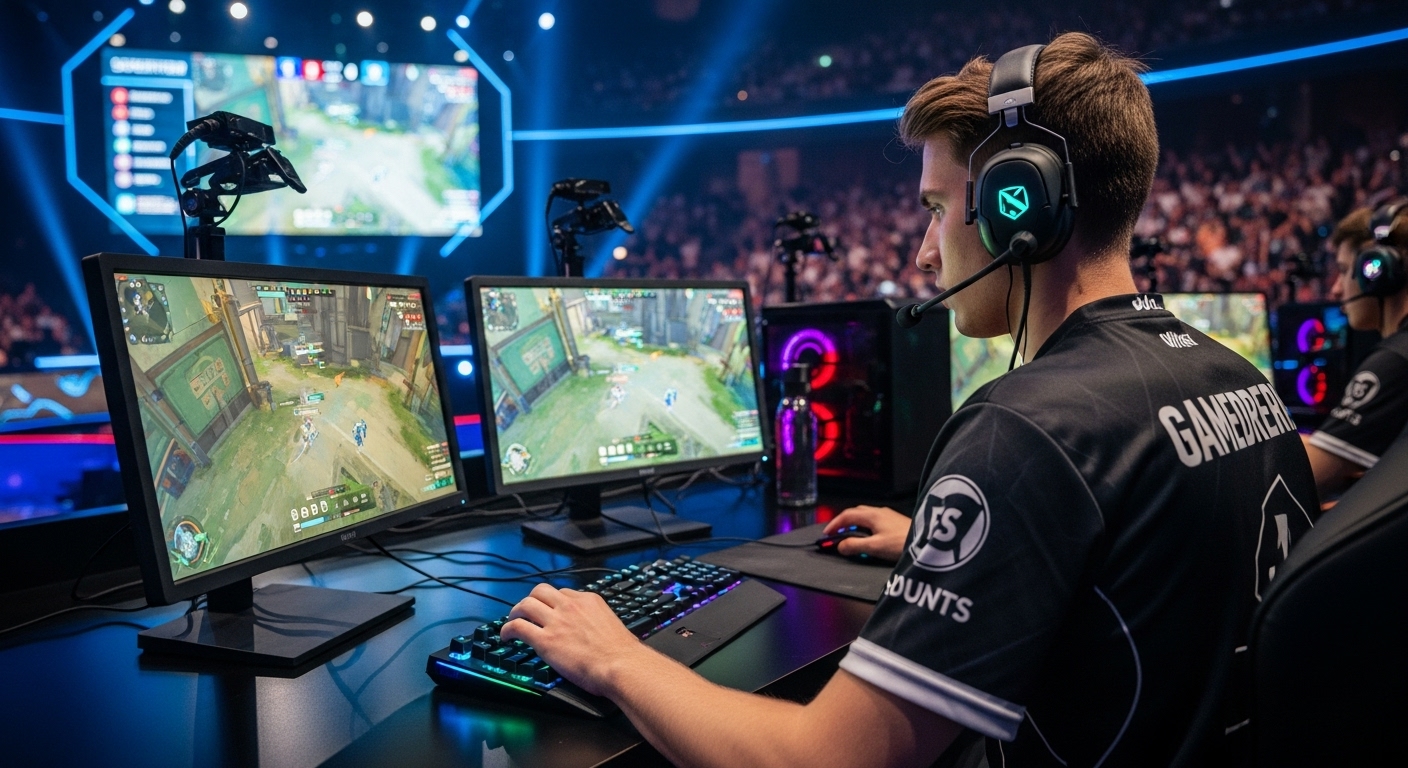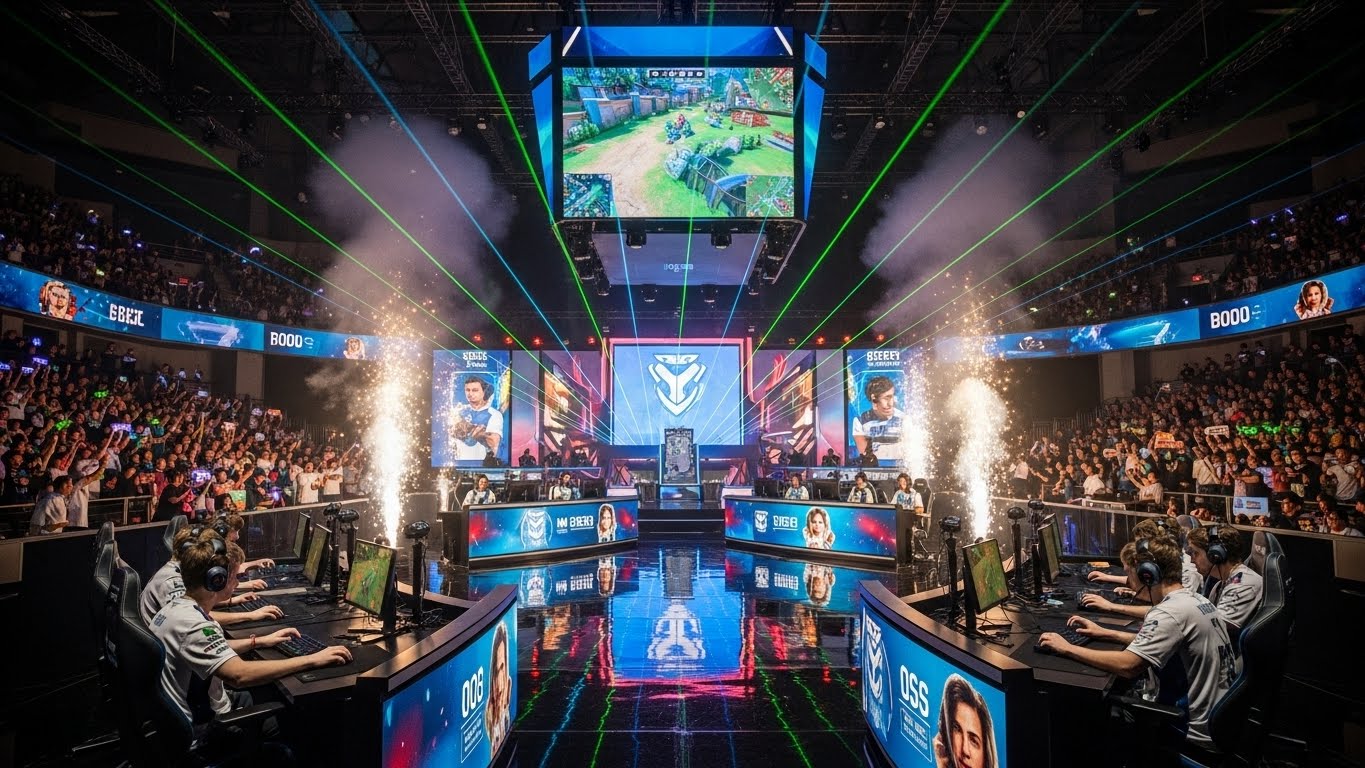
Esports has transformed from a niche pastime into a global phenomenon, blending skill, strategy, and technology to create a competitive landscape unlike any other. Once dismissed as casual gaming, esports has evolved into a serious industry with professional players, massive tournaments, and millions of fans worldwide. This digital revolution has redefined what it means to be an athlete, expanding the concept of competition into virtual arenas. In this blog, we explore the history of esports, the structure of competitive gaming, its cultural and economic impact, and the opportunities and challenges within this fast-growing industry.
What is Esports? Understanding the Digital Arena
Esports, short for electronic sports, refers to organized, competitive video gaming where individuals or teams compete according to standardized rules. Unlike casual gaming, esports emphasizes strategy, coordination, reflexes, and consistent performance. Matches can take place locally, online, or in large stadiums, and they often attract live or streaming audiences numbering in the millions.
Professional esports competitions closely resemble traditional sports, with structured leagues, scheduled seasons, and rankings. Players dedicate countless hours to mastering mechanics, understanding game systems, and developing team synergy. This combination of human skill and digital strategy creates a unique competitive environment.
The Origins and Early Growth of Esports
Esports’ roots trace back to the arcade competitions and home console tournaments of the late twentieth century. In the 1970s and 1980s, players competed for high scores in games like Space Invaders and Pac-Man. These early competitions were primarily local, but they sparked a culture of organized play and recognition of skill.
The 1990s introduced multiplayer online games such as StarCraft, Warcraft, and Counter-Strike, allowing players to compete across cities and countries. The advent of internet connectivity created a global community of players and set the stage for professional leagues. Early esports tournaments were modest, but they laid the foundation for a competitive ecosystem that continues to grow.
Popular Esports Genres and Their Appeal
Esports encompasses a wide variety of game genres, each offering a distinct competitive experience:
Multiplayer Online Battle Arena (MOBA) Games: MOBAs such as League of Legends and Dota 2 require teamwork, strategy, and map control. Players must balance individual skill with collective coordination to succeed.
First-Person Shooters (FPS): Games like Counter-Strike, Valorant, and Call of Duty emphasize precision, reflexes, and tactical awareness. Competitive play in FPS games often hinges on communication and decision-making under pressure.
Real-Time Strategy (RTS) Games: RTS games, including StarCraft, demand long-term planning, resource management, and rapid multitasking. Success depends on anticipating opponent strategies and adapting quickly.
Fighting Games: Titles like Street Fighter and Tekken highlight one-on-one skill, timing, and mental fortitude. Competitors must master complex combos and psychological strategies to win matches.
Sports Simulation Games: Digital sports such as FIFA and NBA 2K recreate real-world sports, blending athletic knowledge with virtual gameplay mechanics.
This diversity allows esports to cater to a wide audience and encourages specialization among professional players.
The Life of a Professional Esports Player
Professional esports athletes maintain rigorous routines similar to traditional athletes. Daily schedules often include hours of practice, team strategy sessions, performance reviews, and personal skill development. Players focus on improving mechanics, understanding game updates, and preparing for opponents.
Mental resilience is a critical component of esports. Players must manage stress, maintain focus during high-pressure situations, and adapt to rapidly changing gameplay. Many teams employ psychologists, coaches, and analysts to support both mental and technical performance.
Physical fitness is also important. Long hours of practice can strain the body, so players incorporate exercises to maintain posture, reduce fatigue, and prevent injuries. Nutrition, sleep, and rest are integral parts of sustaining peak performance over long careers.
Esports as a Global Cultural Phenomenon
Esports has grown beyond competition into a cultural movement. Fans around the world follow teams, celebrate victories, and engage in online communities. Social media, forums, and streaming platforms have amplified the reach of esports, creating spaces where players and audiences interact directly.
Major esports tournaments rival traditional sports in viewership, attracting millions of spectators. These events are more than competitions—they are entertainment spectacles that combine storytelling, performance, and community engagement. Players often become global icons, inspiring fans and shaping digital culture.
Economic Significance of Esports
The esports industry has grown into a multibillion-dollar sector. Revenue streams include sponsorships, advertising, merchandise, media rights, and event ticketing. Large tournaments feature prize pools that reach millions of dollars, attracting professional teams and international audiences.
Career opportunities in esports extend beyond players. Coaches, analysts, broadcasters, content creators, event organizers, and marketing professionals all play essential roles. Additionally, technology developers, hardware manufacturers, and software designers benefit from the expanding ecosystem.
Esports’ economic growth demonstrates that it is a sustainable and influential industry with long-term potential.
The Role of Streaming and Fan Engagement
Streaming platforms are central to esports’ success. They allow audiences to watch matches, follow players, and participate in live interactions. Real-time feedback and commentary create a sense of connection between players and fans.
Streamers often build personal brands, creating content that engages communities and expands esports’ reach. Tutorials, gameplay analysis, and entertainment content allow fans to engage deeply with the games they love.
The interactive nature of esports viewing fosters loyalty and strengthens the global fanbase.
Esports in Education and Skill Development
Educational institutions increasingly integrate esports programs to promote teamwork, leadership, and problem-solving. Students involved in esports learn communication, strategic thinking, and time management.
Some schools and universities provide scholarships, competitive teams, and academic programs related to gaming, digital media, and analytics. This integration highlights esports as a legitimate educational tool, fostering personal and professional growth in addition to entertainment.
Inclusivity and Accessibility in Esports
Esports is one of the most accessible competitive arenas. Players can compete regardless of physical size, location, or background, allowing talent to emerge globally. This inclusivity makes esports a unique model for equitable competition.
Efforts to promote diversity, gender representation, and safe online environments continue to shape the industry. Inclusive practices foster innovation, strengthen communities, and ensure esports remains a welcoming space for all players.
Challenges Facing the Esports Industry
Despite its growth, esports faces several challenges. High-intensity schedules and competitive pressure can lead to burnout and mental health issues. Establishing long-term career sustainability is crucial for players.
Other challenges include online toxicity, cheating, and inconsistent regulations in tournaments and contracts. Developing ethical standards and support systems is essential for maintaining professionalism and credibility.
The Future of Esports
The future of esports is closely linked to technological innovation. Virtual reality, augmented reality, and artificial intelligence may transform gameplay, training, and spectator experiences. Esports will continue integrating with mainstream media, entertainment, and education, reaching new audiences worldwide.
As technology advances, esports will become more interactive, immersive, and personalized. Professional leagues, fan engagement, and global collaboration will continue to grow, solidifying esports’ position as a defining feature of modern digital culture.
Conclusion: Esports as a Defining Force of Modern Competition
Esports is more than a hobby—it is a structured, competitive, and influential industry that bridges technology, skill, and culture. It challenges traditional definitions of sports while maintaining values such as discipline, teamwork, and strategic thinking.
Esports fosters global communities, provides professional opportunities, and inspires creativity and innovation. It demonstrates that excellence, competition, and entertainment are not confined to physical arenas but can thrive in virtual spaces as well.
In the digital age, esports has become a new frontier for competition, connecting players and fans across the globe. It represents the evolving nature of sports, culture, and human potential, and its impact will continue to shape society for years to come.