Introduction: A New Definition of Sport
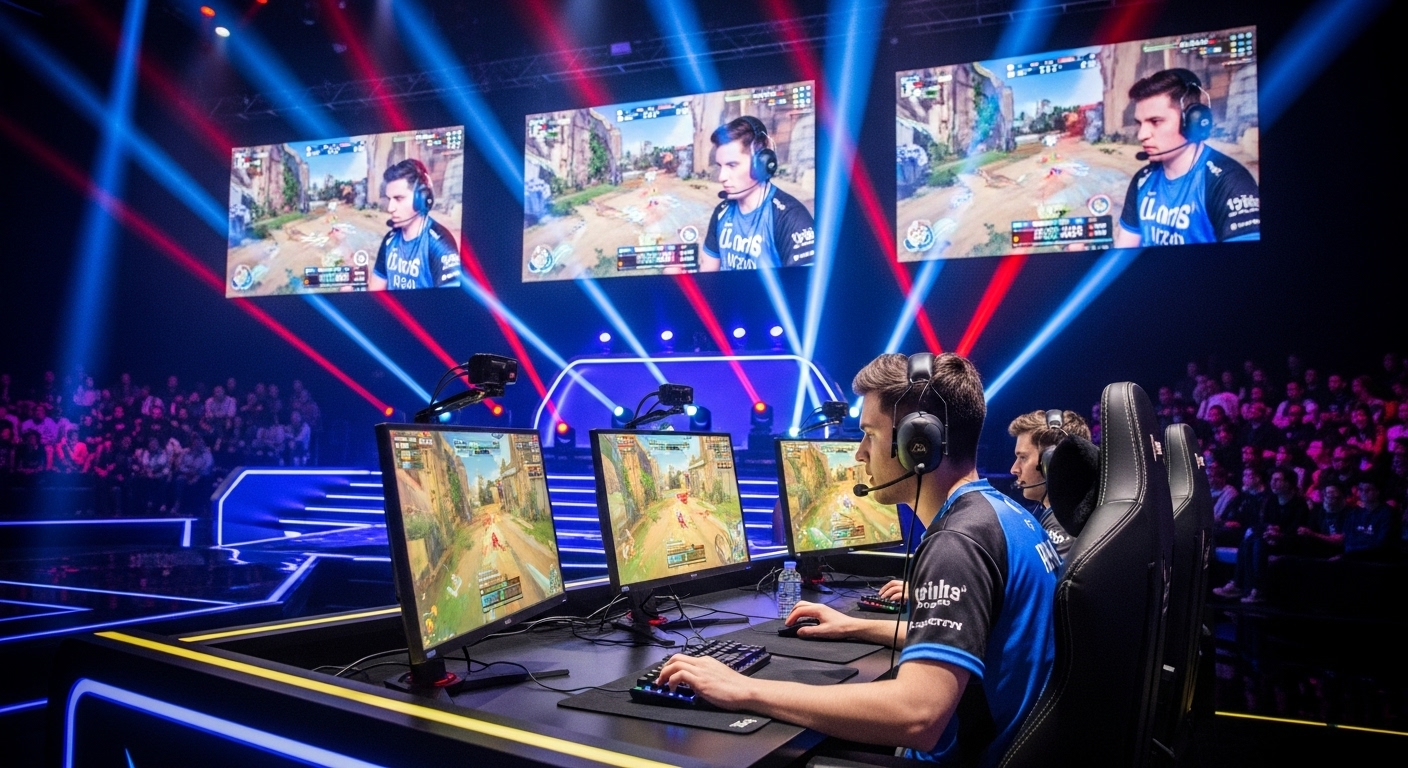
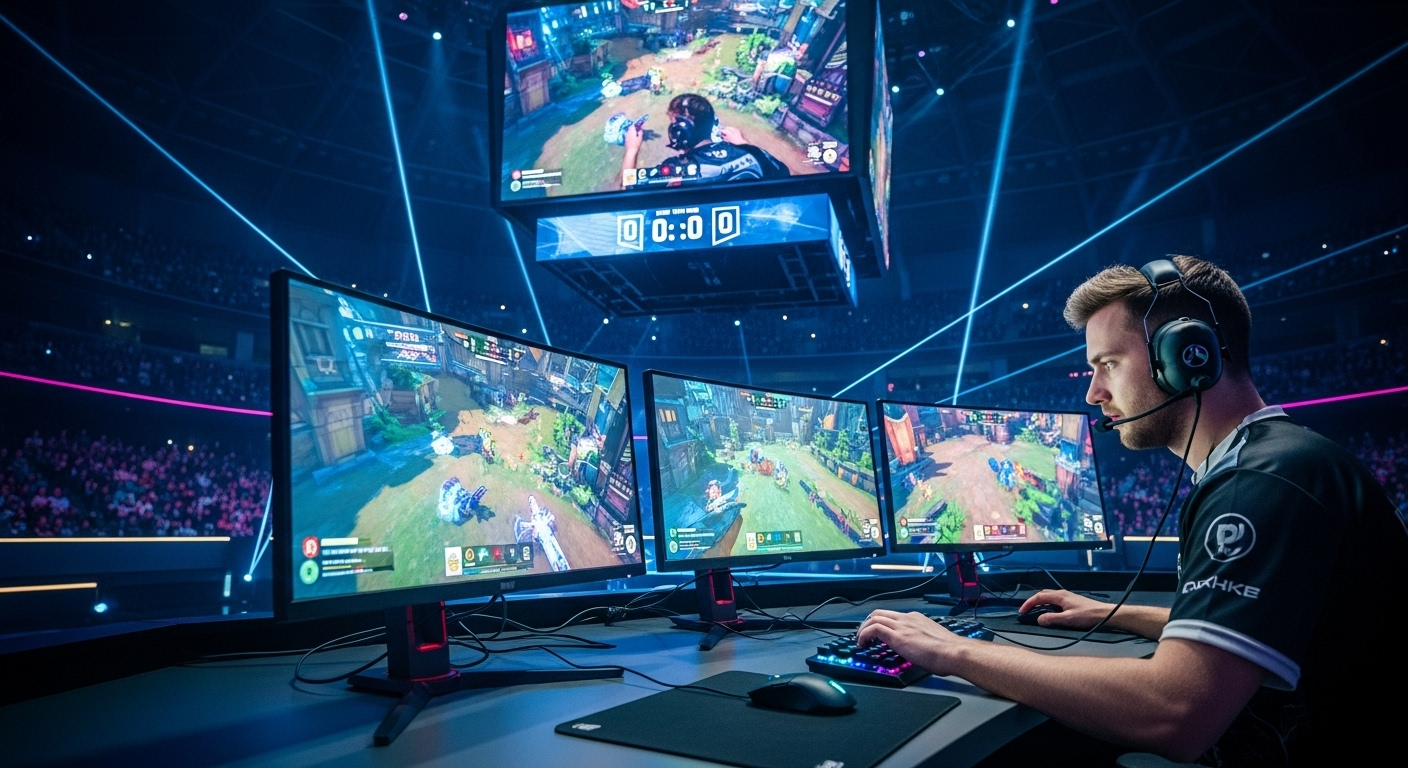
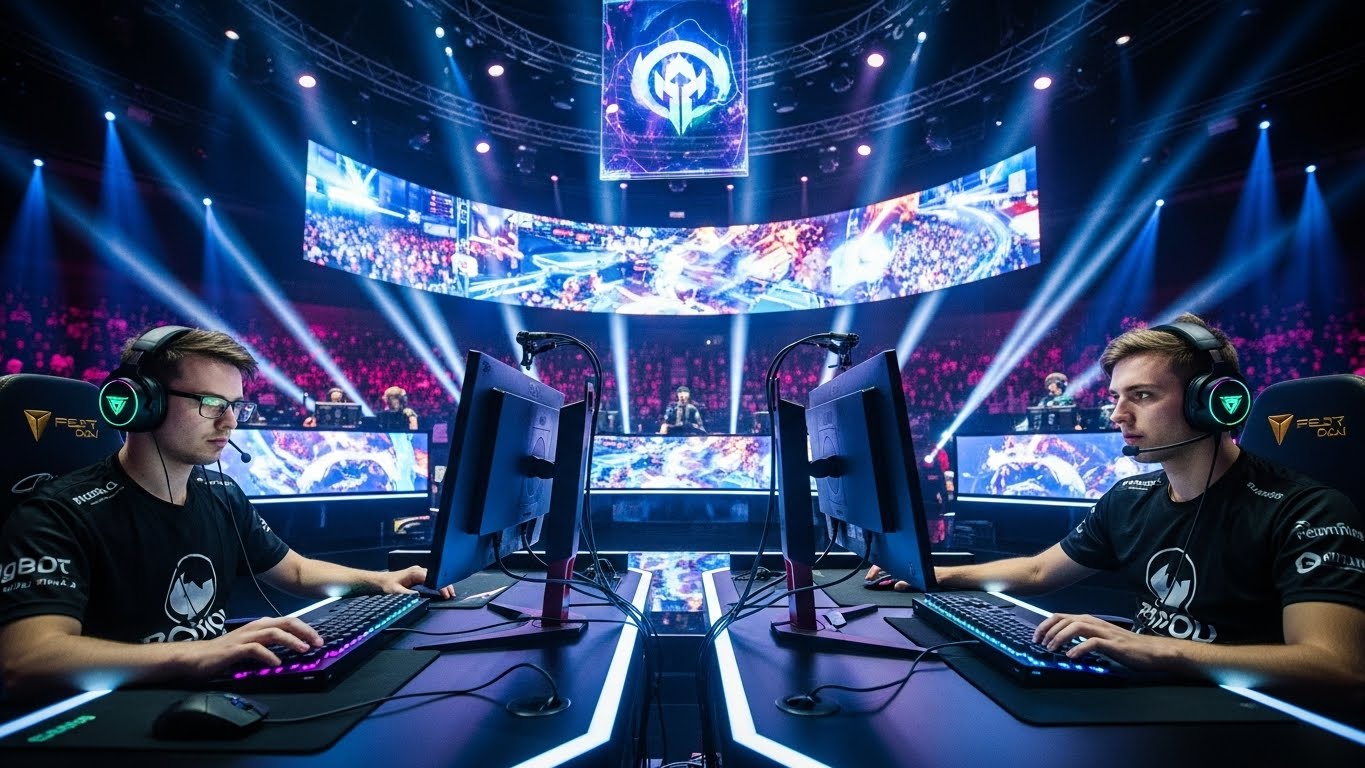
Esports has emerged as one of the most powerful forms of modern competition, redefining what it means to be an athlete in the digital age. Once viewed as a niche hobby, competitive gaming has evolved into a global industry that attracts millions of viewers, passionate fans, and elite players. Esports combines strategy, speed, teamwork, and mental endurance, proving that competition is no longer limited to physical arenas. This blog explores the journey of esports, its ecosystem, cultural significance, challenges, and its promising future.
The Birth of Competitive Gaming
The origins of esports trace back to the early days of video games when players competed for high scores in local arcades. These informal contests sparked excitement and rivalry, laying the foundation for organized competition. As gaming technology advanced, multiplayer games became more common, allowing players to challenge one another in shared virtual spaces. These early competitions may have been small, but they introduced the core idea that video games could be played competitively, setting the stage for the esports revolution.
The Impact of the Internet on Esports
The rise of the internet was a turning point for esports. Online connectivity allowed players from different regions and countries to compete in real time. This removed geographical barriers and transformed gaming into a global experience. Competitive communities grew rapidly, with players forming teams, developing strategies, and participating in online tournaments. The internet not only expanded the player base but also made it possible for audiences to watch matches live, fueling interest and engagement.
Popular Games That Shaped Esports
Certain games played a crucial role in shaping the esports landscape. Strategy-based games, first-person shooters, and multiplayer online battle arenas gained popularity due to their competitive balance and spectator appeal. These games rewarded skill, teamwork, and strategic thinking, making them ideal for professional competition. Developers began supporting competitive scenes by organizing tournaments and improving game design, further legitimizing esports as a structured form of competition.
The Rise of Professional Esports Teams
As esports grew, professional teams began to emerge. These organizations recruit talented players, provide structured training environments, and compete in major tournaments. Much like traditional sports teams, esports organizations employ coaches, analysts, managers, and support staff. This professional structure has elevated the quality of competition and provided stability for players, allowing them to focus on performance and growth.
Training and Discipline of Esports Athletes
Professional esports players follow rigorous training routines that demand discipline and commitment. Hours of daily practice are dedicated to improving mechanics, refining strategies, and understanding opponents. Mental preparation is equally important, as players must remain focused under pressure and adapt quickly during matches. Many teams emphasize physical fitness, nutrition, and mental health to ensure long-term performance, highlighting that esports requires holistic preparation.
Strategy and Skill in Competitive Play
Esports is far more complex than it appears at first glance. Matches often involve intricate strategies, split-second decisions, and precise execution. Team-based games require seamless coordination and communication, while individual games demand exceptional reflexes and mental clarity. Coaches and analysts study gameplay data to refine tactics and counter opponents. This depth of strategy is a major reason why esports captivates both players and spectators.
Streaming and Spectatorship
Streaming platforms have been instrumental in the growth of esports audiences. Fans can watch live tournaments, follow professional players, and engage with communities from anywhere in the world. Commentary and analysis help viewers understand the nuances of gameplay, making esports accessible to newcomers. Streaming has transformed esports into a spectator sport, allowing fans to experience the excitement and drama of competition in real time.
The Role of Fan Communities
Esports thrives on its vibrant and dedicated fan communities. Fans actively participate by discussing matches, creating content, and supporting their favorite teams. Online communities foster a sense of belonging and shared identity, while live events bring fans together in celebration of competition. This strong connection between fans and esports creates loyalty and emotional investment, strengthening the industry’s foundation.
Global Reach and Cultural Exchange
One of the most remarkable aspects of esports is its global reach. Players from diverse backgrounds compete on equal digital platforms, showcasing different playstyles and cultures. International tournaments promote cultural exchange and understanding, uniting people through shared passion. Esports has also influenced music, fashion, and digital culture, becoming an integral part of modern youth identity.
Esports and Education
Esports is increasingly being recognized for its educational potential. Competitive gaming develops skills such as critical thinking, teamwork, communication, and adaptability. Schools and universities have begun offering esports programs and scholarships, integrating gaming with academic development. These initiatives challenge outdated stereotypes and demonstrate that esports can be both educational and constructive.
Economic Growth of the Esports Industry
The esports industry has experienced rapid economic growth. Revenue is generated through sponsorships, advertising, merchandise, ticket sales, and media rights. Major brands have entered the esports space, recognizing its ability to engage younger audiences. Investments in infrastructure, tournaments, and teams continue to rise, reflecting confidence in the industry’s long-term sustainability.
Technology as the Backbone of Esports
Technology is the driving force behind esports. High-performance hardware, advanced software, and reliable internet connections ensure smooth gameplay and high-quality broadcasts. Data analytics and artificial intelligence are increasingly used to analyze performance and develop strategies. As technology advances, it will continue to enhance both competitive play and the spectator experience.
Challenges Within the Esports Ecosystem
Despite its success, esports faces several challenges. Player burnout is a growing concern due to intense schedules and competitive pressure. Issues such as cheating, inconsistent regulations, and lack of standardization across regions also pose difficulties. Additionally, the industry must work towards greater inclusivity and diversity to ensure equal opportunities for all participants. Addressing these challenges is essential for long-term growth.
Esports and Traditional Sports Connections
The relationship between esports and traditional sports has grown stronger over time. Many traditional sports organizations have invested in esports teams, recognizing shared values of competition and fan engagement. Training techniques, performance analysis, and mental conditioning methods are increasingly shared between the two worlds. This convergence highlights esports’ legitimacy as a modern competitive discipline.
Career Opportunities Beyond Playing
Esports offers a wide range of career opportunities beyond professional gameplay. Roles in coaching, broadcasting, event management, marketing, content creation, and game development support the industry’s growth. These careers allow individuals with diverse skills to contribute to esports, making it a multifaceted and inclusive industry.
The Future of Esports
The future of esports is filled with potential. Emerging technologies such as virtual reality and augmented reality may redefine how competitions are played and experienced. Grassroots programs and youth initiatives will nurture new talent and expand participation. As esports continues to gain mainstream recognition, it is likely to become even more integrated into global culture and entertainment.
Conclusion: Competition Without Boundaries
Esports represents a new era of competition that transcends physical limitations and geographical borders. From its humble beginnings to its current status as a global phenomenon, esports has transformed how people compete, connect, and celebrate skill. It offers opportunities for players, fans, and professionals while fostering innovation and community. As the digital world continues to evolve, esports will remain a powerful symbol of how passion and competition can thrive in virtual arenas and create real legends.