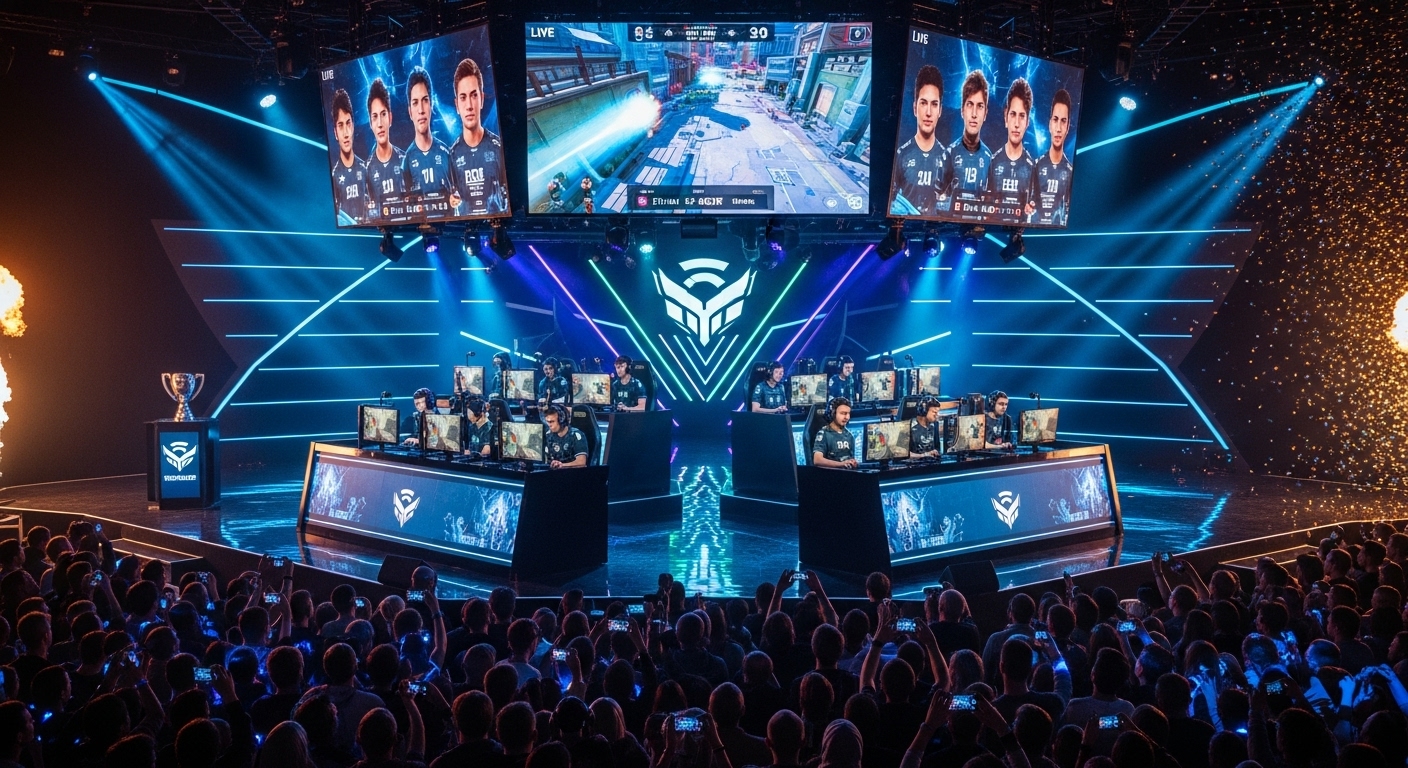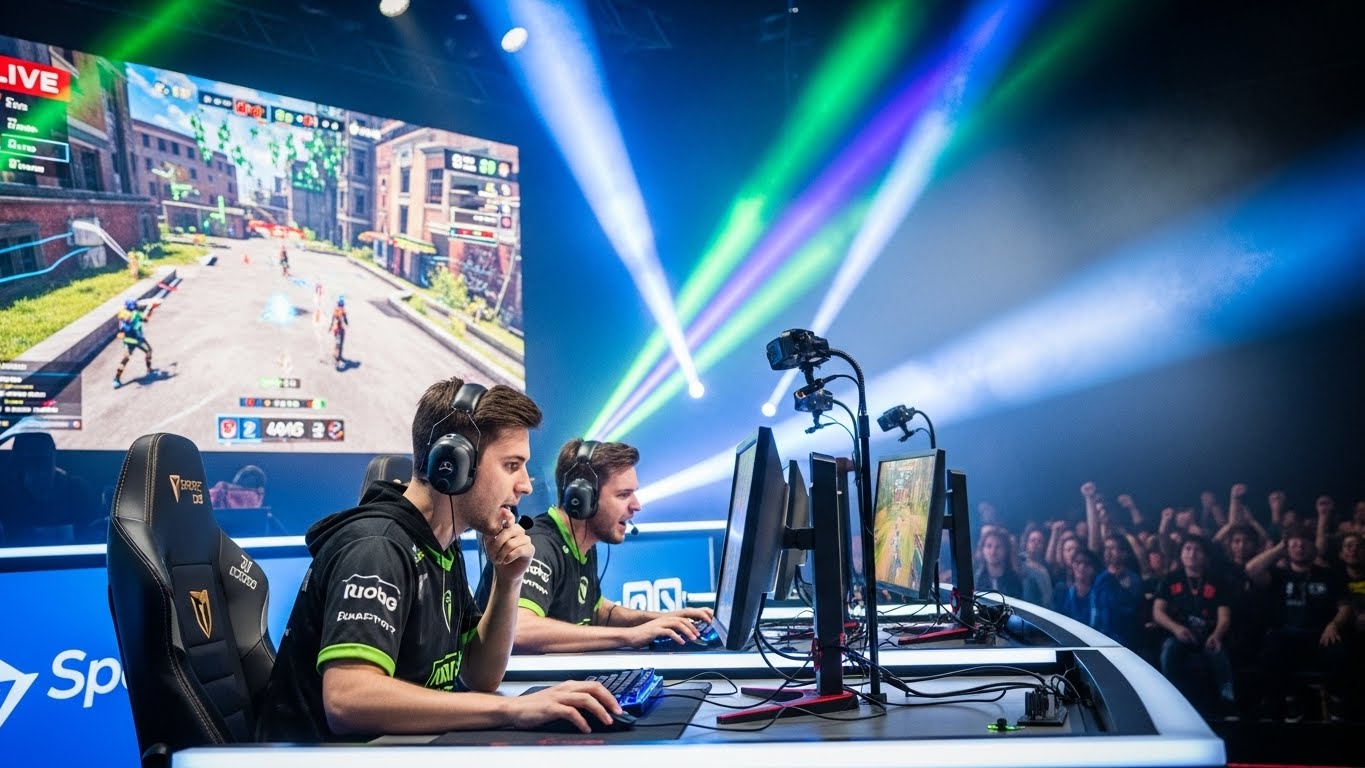
In the last decade, the world of esports has evolved from a niche hobby to a global entertainment powerhouse, garnering the attention of millions and transforming the way we think about competitive sports. What was once considered a pastime for gamers has now blossomed into a legitimate industry, with professional players, massive tournaments, and even multimillion-dollar sponsorships. Esports has firmly established itself as a cultural force, influencing everything from entertainment to business, and continues to expand into new frontiers.
In this blog post, we will explore the rise of esports, its impact on various industries, and the future of competitive gaming as it continues to reshape how we view sports, entertainment, and technology.
1. The Origins of Esports: From LAN Parties to Global Tournaments
Esports, or electronic sports, has roots dating back to the early days of competitive video gaming. The first recorded instance of a competitive gaming event took place in 1972 at Stanford University, where students competed in a game called Spacewar. However, it wasn’t until the late 1990s and early 2000s that esports began to gain serious traction.
In the early days of the internet, gamers gathered in what were known as LAN (Local Area Network) parties, where they would compete against one another in multiplayer games like Quake and Warcraft. These informal gatherings gradually grew in size and scope, laying the groundwork for organized tournaments.
The launch of major tournaments like the World Cyber Games in 2000 and the Electronic Sports World Cup in 2003 marked the beginning of professional esports. These tournaments attracted large audiences and offered cash prizes, signaling the start of a global industry that would soon explode in popularity.
2. The Growth of Esports: A Global Industry Emerges
Fast forward to the 2010s, and esports began to evolve into a fully-fledged industry. With the advent of streaming platforms like Twitch, which allowed gamers to broadcast their gameplay to global audiences in real-time, esports grew exponentially. This shift was pivotal, as it provided a platform for players to build massive followings and for fans to engage directly with their favorite teams and athletes.
The release of League of Legends by Riot Games in 2009 was a game-changer for the industry. With its combination of strategy, teamwork, and accessibility, League of Legends quickly became one of the most played games in the world, laying the foundation for esports’ mainstream rise. Riot Games capitalized on this by establishing the League of Legends World Championship, which attracts millions of viewers each year.
In the same period, Dota 2 from Valve also became a major title in the esports scene. The annual International tournament for Dota 2 is one of the richest esports events in the world, offering multi-million-dollar prize pools and attracting millions of viewers.
These games became the cornerstone of esports, helping to transform competitive gaming into a global spectacle, with players, teams, and sponsors all vying for a piece of the ever-expanding pie.
3. The Impact of Esports on the Entertainment Industry
As esports grew in popularity, it began to blur the lines between traditional sports and digital entertainment. Major media outlets started covering esports events, and it wasn’t long before mainstream sports networks began to take notice. Networks like ESPN and Turner Sports began broadcasting esports competitions, with major events like the League of Legends World Championship and The International getting airtime on national television.
Esports also entered the realm of pop culture. In 2018, Fortnite held an in-game concert featuring the popular rapper Travis Scott, attracting millions of viewers. Events like this showcased the power of esports not only as a competitive sport but also as a vehicle for entertainment, drawing in fans from outside the traditional gaming community.
Moreover, esports is increasingly being integrated into large-scale conventions like Comic-Con and E3, where gaming culture intersects with broader entertainment trends. Esports tournaments are often featured at these events, attracting audiences from various walks of life, further cementing esports’ place in mainstream entertainment.
4. The Role of Technology in Esports’ Growth
Esports would not have reached its current level of success without the rapid advancements in technology. High-speed internet, powerful gaming PCs, and immersive hardware have all played a significant role in the evolution of competitive gaming. As gaming graphics and hardware improved, so did the quality of the esports experience, both for players and viewers.
Streaming technology also helped propel esports into the spotlight. Platforms like Twitch, YouTube Gaming, and Facebook Gaming have revolutionized how fans consume esports content. These platforms offer viewers the ability to watch their favorite players, follow live tournaments, and interact with the community in real-time. With the addition of live chat features, viewers are no longer passive observers but active participants in the esports experience.
Moreover, virtual reality (VR) and augmented reality (AR) are beginning to play a role in shaping the future of esports. While these technologies are still in their early stages, they hold the potential to revolutionize the esports experience. Imagine being able to watch a live tournament in a fully immersive VR environment or stepping into a virtual arena to compete alongside your favorite players.
5. Professional Esports Players: The New Age Athletes
The rise of esports has given birth to a new generation of athletes—professional gamers. These players dedicate their lives to perfecting their skills in popular titles like League of Legends, Counter-Strike: Global Offensive, Fortnite, and Overwatch. Unlike traditional athletes, esports players spend hours each day practicing, studying game mechanics, and strategizing for their next match.
Esports players are no longer the stereotypical “kids in their basements”; many of them are now highly respected professionals. They sign multi-million-dollar contracts with esports organizations, participate in international tournaments, and build large personal brands. Just as in traditional sports, esports players are now highly sought after for sponsorships and endorsements. Brands like Nike, Red Bull, and Coca-Cola are investing heavily in the esports ecosystem, seeing the potential of this new wave of athletes to influence younger audiences.
Many esports players also leverage social media and streaming platforms to grow their fanbase. Platforms like Twitch and YouTube allow players to showcase their skills while interacting with fans in real-time. Streamers can earn money through subscriptions, donations, and ad revenue, creating a new form of income that was previously unheard of in traditional sports.
6. The Esports Economy: A Booming Industry
Esports is no longer just a hobby or passion for a select few; it’s a multi-billion-dollar industry that continues to grow at a rapid pace. The global esports market was valued at over $1 billion in 2020, with projections indicating that the industry will continue to grow year after year. Revenue streams include sponsorships, ticket sales, advertising, media rights, and merchandise sales.
Major companies are pouring money into esports, recognizing its potential for massive returns. Tech giants like Intel, AMD, and Nvidia have been involved in the esports scene for years, providing cutting-edge hardware for competitive gaming. In addition, traditional sports organizations are also getting involved. The National Basketball Association (NBA) has its own esports league, the NBA 2K League, which features professional players competing in the NBA 2K basketball video game.
One of the largest drivers of revenue in the esports industry is sponsorships. Brands across various sectors, from tech to fashion, are aligning themselves with esports to reach younger, tech-savvy audiences. As esports continues to attract millions of fans worldwide, the demand for sponsorships and advertising is expected to grow, making esports a lucrative investment for brands.
7. The Future of Esports: The Road Ahead
As esports continues to evolve, its future looks bright. We can expect to see further integration with traditional sports, such as hybrid events where physical and digital competitions are held side by side. The growth of mobile gaming will also play a significant role in shaping the future of esports. Games like PUBG Mobile and Free Fire have already seen huge success in mobile esports, and this trend is expected to continue.
One of the most exciting developments is the increasing recognition of esports as a legitimate sport. Several universities now offer scholarships for professional gamers, and even some countries are exploring the possibility of including esports in the Olympic Games. While this may seem like a distant dream, the increasing institutional support for esports suggests that it may eventually find its place alongside traditional sports like soccer and basketball.
Another area to watch is the potential for esports to become a global social phenomenon. As technology advances, esports tournaments could become even more immersive, with fans experiencing live events in virtual arenas. The integration of artificial intelligence (AI) could also provide new opportunities for both players and fans, from enhanced in-game analysis to personalized fan experiences.
Conclusion: Esports is Here to Stay
Esports has come a long way from its humble beginnings in basement tournaments and LAN parties. Today, it stands as a massive global industry with a dedicated fanbase, professional players, and a thriving economy. The future of esports is filled with opportunities, as it continues to reshape the entertainment, sports, and tech landscapes.
Whether you’re a gamer or simply a fan of competition, it’s clear that esports is not just a passing trend—it’s a cultural force that will continue to grow and innovate for years to come. The rise of esports marks a new era in the world of sports and entertainment, and it’s an exciting time to be part of this digital revolution.