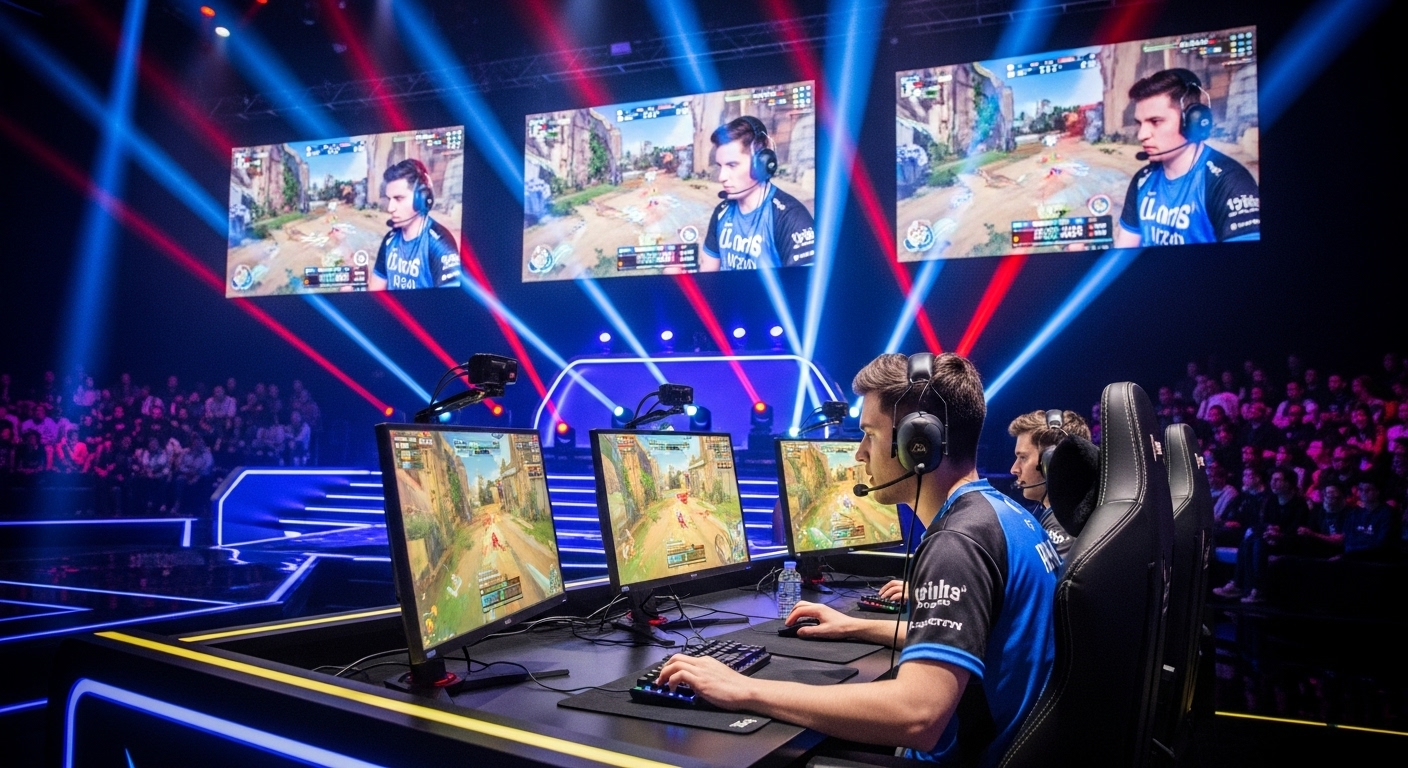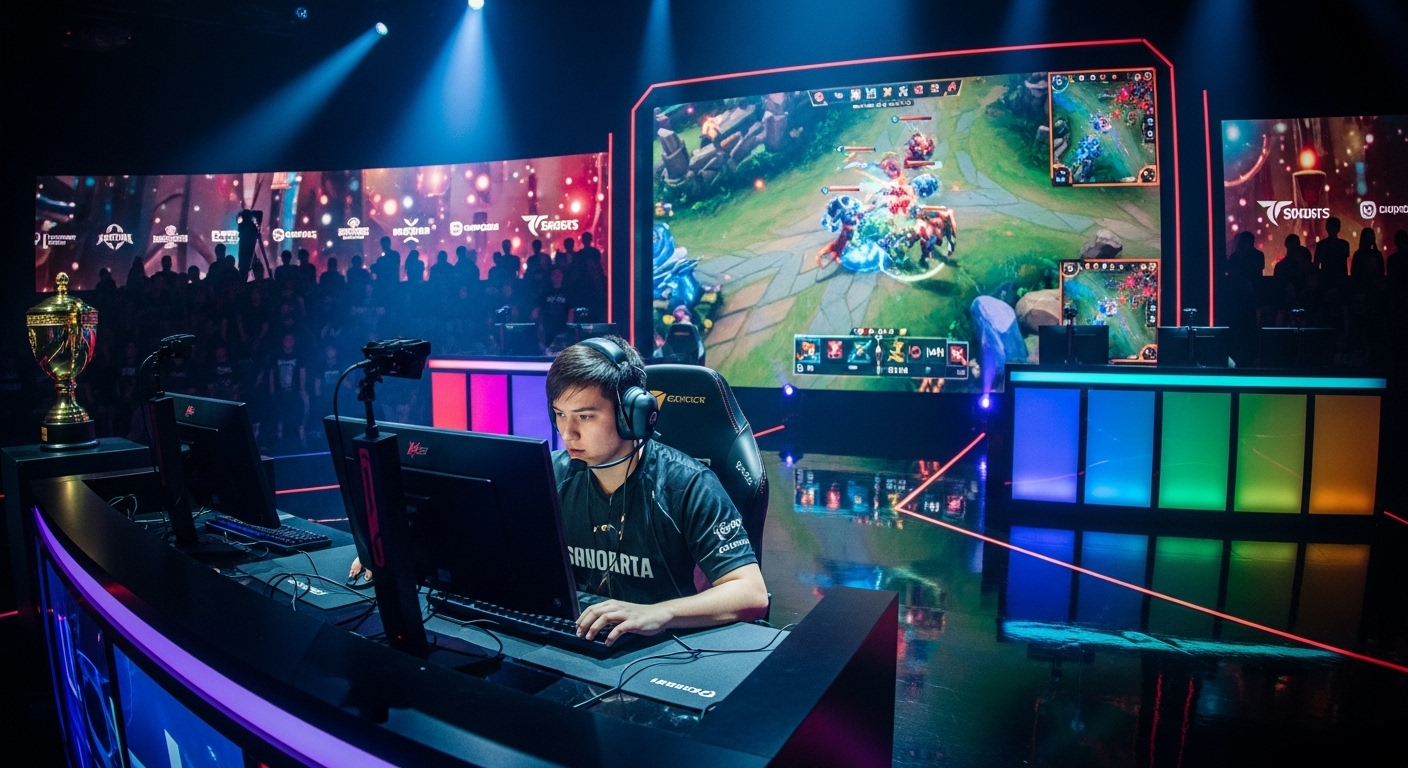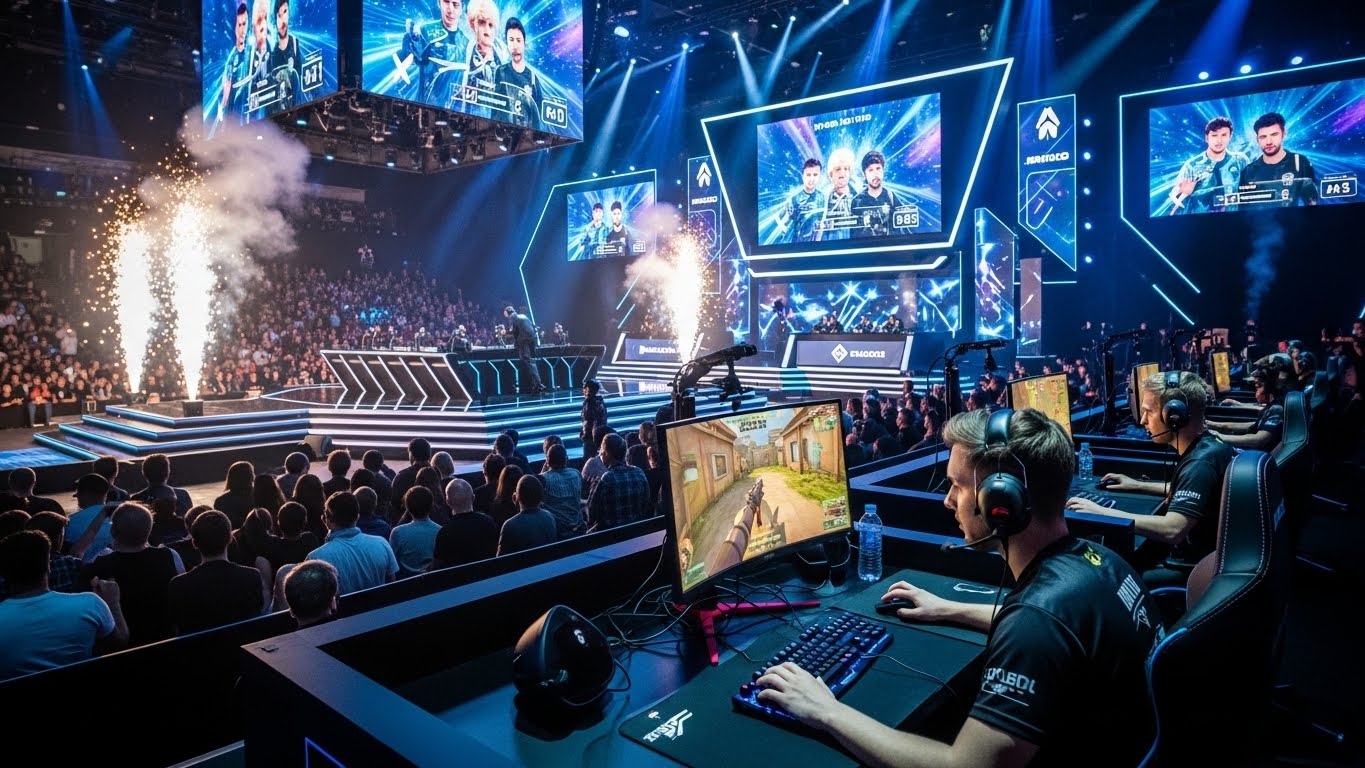
In a world where technology continues to redefine the boundaries of entertainment, esports stands as one of the most exciting and rapidly growing phenomena. What was once a niche community of passionate gamers has transformed into a global industry with millions of players, fans, and viewers worldwide. Esports is no longer just about playing video games; it has become a multi-billion dollar industry, with professional players, massive tournaments, lucrative sponsorships, and millions of fans tuning in to watch their favorite players and teams compete for glory.
This blog will explore the rise of esports, its business impact, the key players, the role of traditional sports in its growth, and what the future holds for this digital revolution in entertainment.
The Origins and Evolution of Esports
The history of esports can be traced back to the early 1990s, a time when competitive video gaming was still in its infancy. The first major landmark in the growth of esports came in 1997 with the launch of StarCraft by Blizzard Entertainment. The game quickly gained a competitive following, particularly in South Korea, where it became a cultural sensation. South Korea, in particular, became the birthplace of esports as a formal, organized activity. By the early 2000s, the country had established professional esports leagues, with players competing in televised events for cash prizes.
However, esports as we know it today truly began to take shape in the 2010s. The rise of games like League of Legends, Dota 2, Counter-Strike: Global Offensive, and Overwatch helped esports gain widespread global recognition. These games introduced robust competitive frameworks, established professional leagues, and cultivated passionate fanbases that were no longer confined to niche communities.
League of Legends, launched by Riot Games in 2009, is often credited with bringing esports into the mainstream. With its free-to-play model and complex strategic gameplay, it attracted millions of players worldwide, many of whom soon became dedicated fans of the competitive scene. Over time, the development of streaming platforms such as Twitch and YouTube Gaming allowed fans to watch esports events in real-time, fostering an even greater sense of community around these games.
The Growing Business of Esports
Esports has evolved into a multi-billion-dollar industry, and its business model continues to thrive. According to recent reports, the global esports industry is expected to surpass $1.5 billion by 2023. This rapid growth has drawn attention from major brands, investors, and even traditional sports organizations, all of whom see esports as a lucrative opportunity.
Sponsorships and Media Rights
One of the largest revenue streams in esports is sponsorship. Big-name companies like Coca-Cola, Intel, Red Bull, and Pepsi have invested heavily in the esports ecosystem, sponsoring teams, tournaments, and live events. These companies recognize that esports offers a unique way to reach younger, tech-savvy audiences who are less likely to engage with traditional advertising channels. In fact, sponsorship deals often exceed millions of dollars, and brands get their names in front of millions of viewers during live streams and televised broadcasts of esports tournaments.
Another significant contributor to the financial growth of esports is media rights. Major streaming platforms such as Twitch, YouTube, and Facebook Gaming have partnered with esports leagues and tournament organizers to broadcast events to global audiences. These partnerships allow esports companies to monetize their events through advertising, subscriptions, and exclusive broadcasting deals. The media rights for large tournaments such as The International (Dota 2) and the League of Legends World Championship can reach tens of millions of dollars, making these events extremely valuable for both the tournament organizers and the streaming platforms involved.
Merchandise, Ticket Sales, and Prize Pools
In addition to sponsorship and media rights, merchandise sales and ticket sales for live events also generate significant revenue. Esports merchandise, including team jerseys, hats, and other fan apparel, has become a booming market. Fans of esports teams, such as G2 Esports, Cloud9, and FaZe Clan, proudly display their team’s logo and colors, and purchasing official merchandise has become a way for fans to show their support.
Live events, like the League of Legends World Championship and the Overwatch League Grand Finals, attract thousands of spectators to massive arenas. Ticket sales for these events, in combination with the revenues from broadcasting rights, contribute significantly to the esports economy. These events offer fans the unique experience of watching their favorite teams and players compete in person, creating a sense of community and excitement that further solidifies the global esports culture.
Prize pools in esports tournaments can be astronomical. For example, the prize pool for The International 2019, a Dota 2 tournament, was a record-breaking $34 million, the largest in esports history. Players and teams compete not only for fame and glory but also for life-changing sums of money.
The Esports Ecosystem: Players, Teams, and Tournaments
The heart of esports lies in its players, teams, coaches, and tournament organizers who all work together to create the competitive atmosphere that fans love.
Professional Players
Esports players are the stars of the show. These players dedicate their lives to mastering their chosen games, often practicing for 10 hours or more a day. While esports may not require the same level of physical stamina as traditional sports, it demands incredible mental acuity, sharp reflexes, and strategic thinking. Players must constantly adapt to the evolving nature of the games they play, staying on top of game patches, meta changes, and new strategies.
Most esports players start their careers at a young age, often entering the professional scene as teenagers. For instance, Faker, a legendary player in League of Legends, started his professional career at just 17 years old and has since become one of the most iconic figures in the esports world.
Teams and Organizations
Esports teams are made up of highly skilled players who come together to compete in specific games. Teams such as Team Liquid, FaZe Clan, Cloud9, and G2 Esports have become household names in the esports world, fielding multiple teams across a variety of game titles. These teams recruit the best players from around the world, train them in specialized environments, and compete in global tournaments.
Teams are supported by a staff of coaches, analysts, managers, and psychologists, all of whom play crucial roles in maximizing the team’s performance. Coaches and analysts study game footage, identify weaknesses in opponents, and help players refine their strategies. Team psychologists are also becoming increasingly common, as mental health plays a significant role in the performance of competitive players.
Tournaments and Leagues
Esports tournaments are the stage where professional players showcase their skills. Major tournaments such as The International (Dota 2), League of Legends World Championship, and the Overwatch League are watched by millions of viewers and attract the best players and teams from around the world. These tournaments feature large prize pools, usually in the millions of dollars, and the games are broadcasted live across multiple platforms, including Twitch, YouTube, and traditional television channels.
Leagues and tournaments are often structured into seasons or annual events. In some games, such as Overwatch and Call of Duty, professional players participate in league-based systems where teams compete against each other in a regular season before advancing to playoffs. Other tournaments, such as The International, are standalone events where players from all over the world compete for the title of champion.
Esports and Traditional Sports: An Unexpected Partnership
While esports and traditional sports may seem like two entirely different worlds, the lines between the two are becoming increasingly blurred. Traditional sports organizations are beginning to recognize the potential of esports and have started to invest in the industry.
One notable example is the NBA 2K League, a partnership between the National Basketball Association (NBA) and esports. The league allows players to compete in the NBA 2K video game, with teams representing real NBA franchises such as the Dallas Mavericks and Boston Celtics. This collaboration between traditional sports and esports brings together the best of both worlds, attracting fans from both sides.
Similarly, esports organizations are taking cues from traditional sports in terms of marketing, sponsorship, and team management. Esports teams now operate in much the same way as traditional sports teams, with players under contracts, coaches, and dedicated management teams to help run operations.
The Future of Esports
As esports continues to grow, the possibilities for its future are endless. Some of the key trends shaping the future of esports include:
- Global Expansion: Esports is expected to become even more global in the coming years, with more tournaments and leagues being hosted in different countries. The growing popularity of mobile esports, especially in Asia, will also contribute to this international expansion.
- Technology Integration: The integration of virtual reality (VR) and augmented reality (AR) into esports will offer a more immersive experience for both players and fans. VR technology, in particular, could allow players to compete in virtual arenas, while fans could enjoy 360-degree live streams of tournaments.
- Esports in the Olympics: There have been ongoing discussions about including esports in the Olympic Games, and while it may not happen in the immediate future, the potential for esports to be recognized as a legitimate Olympic sport is certainly on the horizon.
- Diversity and Inclusivity: The push for diversity in esports is gaining momentum, with more female players and players from diverse backgrounds being recognized and celebrated in the industry. The growth of inclusivity initiatives will help broaden the appeal of esports.
Conclusion
Esports is more than just a trend — it is a global movement that has redefined the way we view competitive entertainment. What started as a hobby for gamers has blossomed into a full-fledged industry that is changing the landscape of sports