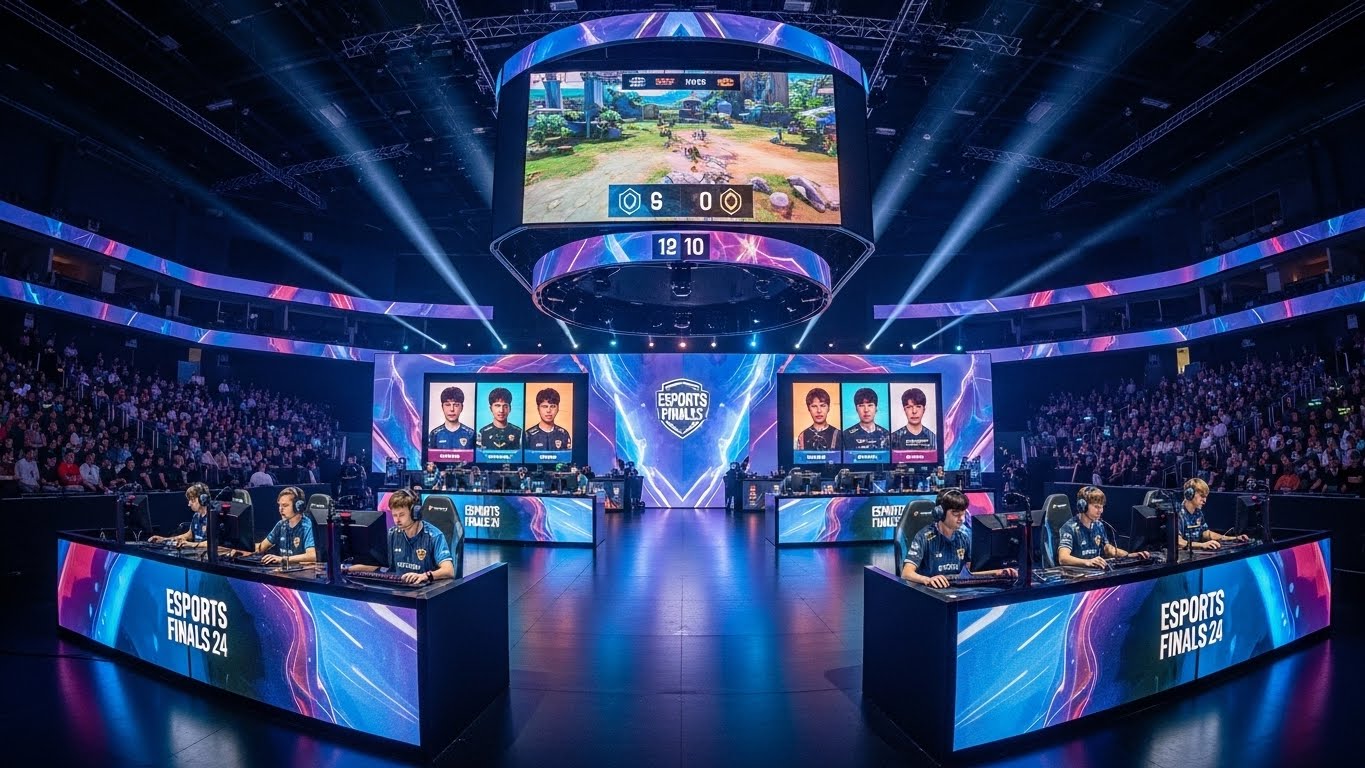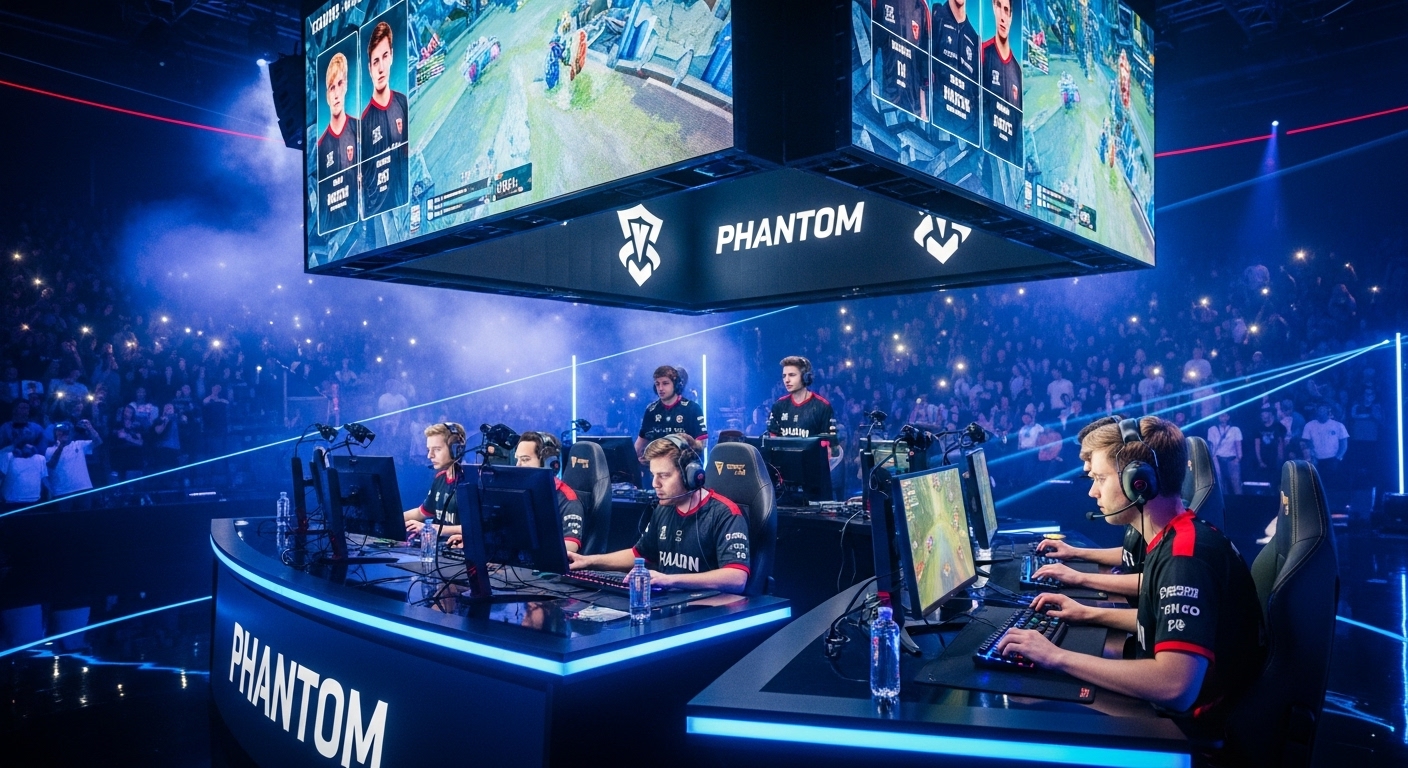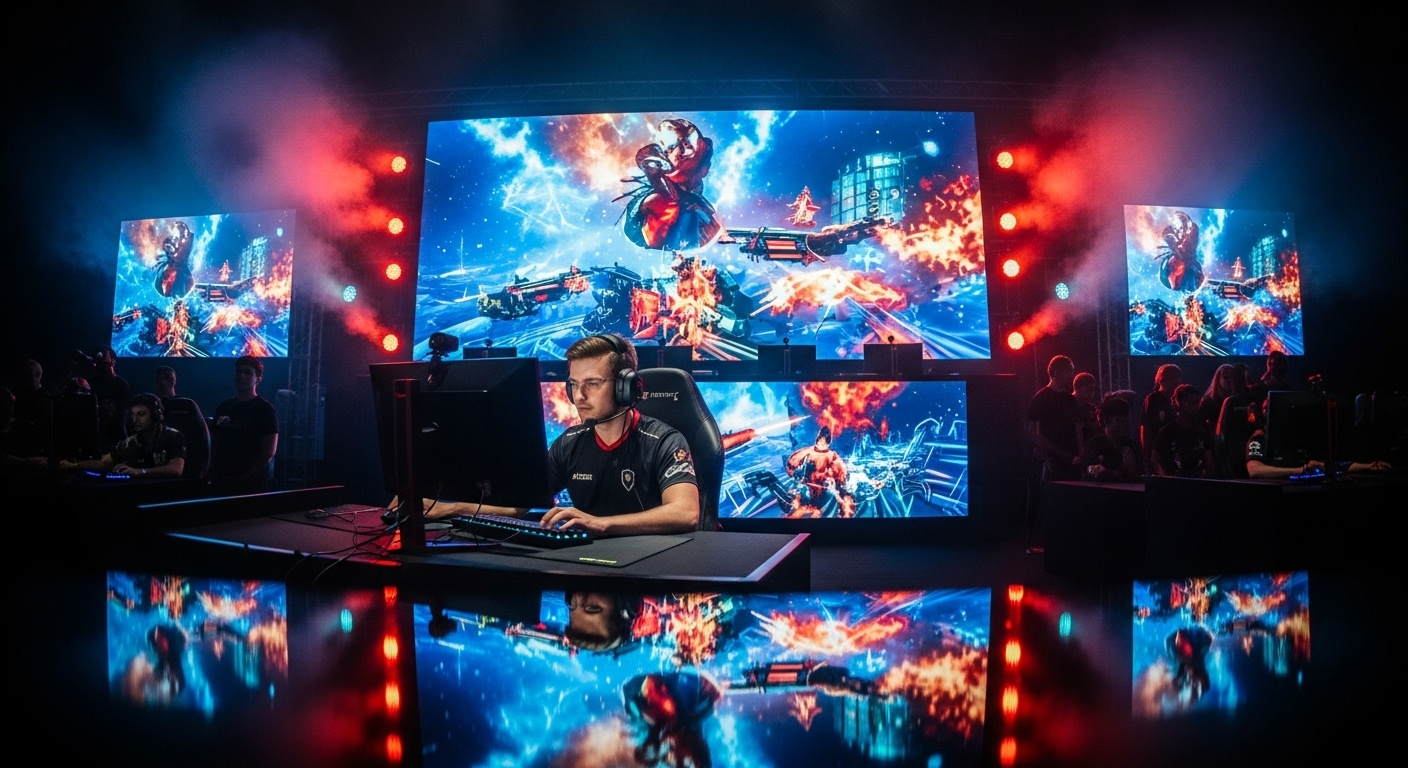
Esports, short for electronic sports, has grown from a niche hobby into a worldwide phenomenon over the past few decades. What began as casual gaming competitions among friends has evolved into a structured professional industry with international tournaments, professional teams, and millions of dedicated fans. Esports represents the convergence of technology, strategy, entertainment, and competition, creating a platform that rivals traditional sports in popularity, engagement, and financial impact. This blog explores the origins, growth, challenges, and future of esports, explaining why competitive gaming has become one of the most influential entertainment industries in the world.
The Early Beginnings of Competitive Gaming
The origins of esports can be traced back to the late 1970s and early 1980s, when video games first gained popularity in arcades. The 1980 Space Invaders Championship in the United States is often cited as the first large-scale gaming competition, attracting thousands of participants. These early tournaments were more about community and recognition than financial rewards, but they set the stage for competitive gaming as a form of public entertainment.
Throughout the 1980s and 1990s, games like Pac-Man, Donkey Kong, and Street Fighter shaped competitive culture. Arcades became social hubs where players could challenge each other, develop skills, and gain local fame. The release of home gaming consoles such as the Nintendo Entertainment System expanded access, allowing players to practice and compete from their own homes. These early developments laid the foundation for organized esports, combining skill, strategy, and social interaction.
The Internet Revolution and Global Competitions
The internet was a turning point for esports. Online multiplayer games allowed players from around the world to compete in real time, breaking down geographic barriers. Games like StarCraft in South Korea and Counter-Strike in Europe created competitive communities that extended far beyond local arcades.
South Korea played a pivotal role in professionalizing esports. The country embraced competitive gaming culturally, establishing professional leagues, televised tournaments, and dedicated esports arenas. StarCraft competitions in the early 2000s attracted massive audiences and transformed top players into celebrities. The South Korean model demonstrated that esports could be a legitimate career and inspired the development of professional esports organizations worldwide.
The Professionalization of Esports
Esports has become highly professionalized over the past two decades. Today’s top players train rigorously, often dedicating eight to twelve hours a day to practice. Professional teams employ coaches, analysts, and support staff to optimize performance, improve strategy, and manage player well-being. Players focus on strategy, teamwork, reflexes, and mental conditioning, treating gaming as seriously as any traditional sport.
Major esports tournaments are now global spectacles. Events like The International for Dota 2, the League of Legends World Championship, and the Fortnite World Cup draw millions of viewers from around the world. Prize pools for these competitions reach tens of millions of dollars, demonstrating the financial opportunities and cultural significance of esports. The combination of skill, entertainment, and fan engagement has positioned esports as a mainstream global industry.
Popular Esports Games and Genres
Esports encompasses a variety of game genres, each with unique competitive dynamics and fan communities. Multiplayer online battle arena games, or MOBAs, such as League of Legends and Dota 2, focus on team strategy, coordination, and tactical execution. First-person shooters like Counter-Strike: Global Offensive and Call of Duty demand precision, quick reflexes, and strategic movement.
Battle royale games such as Fortnite and PUBG mix survival and strategy elements, offering dynamic and unpredictable competitive experiences. Fighting games, including Street Fighter and Tekken, highlight individual skill, timing, and reflexes. Sports simulation games like FIFA and NBA 2K replicate real-world sports, appealing to fans of traditional athletics while creating unique digital competitions. Each genre attracts distinct audiences and contributes to the diversity and richness of esports culture.
The Role of Streaming Platforms
Streaming platforms have played a crucial role in the growth of esports. Services like Twitch, YouTube Gaming, and Facebook Gaming allow fans to watch live competitions, follow favorite players, and engage with communities in real time. Streaming has transformed esports into a spectator-driven industry, enabling global access to tournaments and content that was previously limited to local audiences.
Streamers and professional players build personal brands through these platforms, generating income through subscriptions, donations, and sponsorships. The interactive nature of streaming allows fans to participate in discussions, provide feedback, and feel connected to their favorite players, creating a sense of community and loyalty. This accessibility has been a major factor in turning esports into a mainstream cultural phenomenon.
Sponsorships and Revenue Streams
Esports has become a highly lucrative industry, attracting investment from brands in technology, consumer products, and traditional sports. Companies sponsor teams, tournaments, and individual players to reach highly engaged and often younger audiences.
Revenue in esports comes from multiple sources, including tournament prize money, advertising, media rights, merchandise, ticket sales, and in-game purchases. Organizations diversify their income streams to ensure sustainability, combining competitive earnings with content creation, sponsorship deals, and brand partnerships. This financial ecosystem demonstrates that esports is a viable and profitable industry, capable of long-term growth and global influence.
Careers in Esports
Esports offers diverse career opportunities beyond professional gameplay. While top players can earn significant incomes from tournaments, salaries, and sponsorships, there are many other roles that support the industry. Coaches, analysts, event organizers, broadcasters, and content creators all contribute to the professional ecosystem.
A career in esports requires discipline, resilience, and adaptability. Players must maintain peak performance despite the pressures of competition, game updates, and evolving strategies. Support staff help manage player health, strategy, and logistics, ensuring that teams perform at the highest level. The structured professional environment demonstrates the maturity and legitimacy of esports as an industry.
Community and Cultural Impact
Esports is not only about competition; it is also a cultural movement. Fans engage with content, celebrate victories, and participate in events, both online and offline. Forums, social media communities, and conventions allow enthusiasts to connect, share experiences, and build networks.
The global nature of esports fosters cross-cultural interaction. Players from different countries compete internationally, forming friendships and rivalries that transcend borders. The sense of community is a key factor in the appeal of esports, making it a social as well as competitive phenomenon.
Training and Physical Wellness
Contrary to common stereotypes, esports requires both mental and physical fitness. Players focus on reflexes, hand-eye coordination, strategy, and cognitive processing. Many professional players follow strict training schedules, incorporating physical exercise, nutrition, and mental conditioning to maintain peak performance.
Teams often employ sports psychologists and physiotherapists to help players manage stress, prevent injuries, and maintain focus. The professional approach to health and training underscores esports’ recognition as a legitimate competitive discipline, comparable to traditional sports in demands and preparation.
Technology and Innovation in Esports
Technology is at the heart of esports. High-performance gaming PCs, consoles, and peripherals are essential for competitive play. Software tools enable strategy analysis, performance tracking, and live streaming. Reliable internet connectivity and server infrastructure ensure smooth competition, while data analytics provide insights into performance trends and opponent behavior.
Emerging technologies such as virtual reality, augmented reality, and cloud gaming are expected to reshape the future of esports. These innovations will enhance immersion, accessibility, and interactivity, allowing fans and players to experience competitions in new and dynamic ways.
Esports in Education
Esports has found a place in educational institutions. Universities and schools offer programs that support competitive gaming, including scholarships for talented players and academic courses in game design, esports management, and digital media. Student-run teams compete in tournaments, teaching collaboration, strategy, and leadership skills.
Integrating esports into education provides structured pathways for aspiring players and industry professionals. It legitimizes gaming as a career option while promoting discipline, teamwork, and critical thinking among students. This approach ensures that esports continues to grow sustainably and professionally.
Challenges in the Esports Industry
Despite its growth, esports faces several challenges. Player burnout, mental health concerns, and short career spans are common issues. Regulatory frameworks, player rights, and standards for fair competition are still evolving in many regions.
Inclusivity remains a challenge. Women, minorities, and underrepresented groups are often limited in competitive participation. Initiatives to promote diversity and equal opportunities are growing, recognizing that a more inclusive environment strengthens the industry. The fast pace of game updates and new releases requires players and teams to adapt quickly, which can be both an opportunity and a challenge.
Esports and Traditional Sports
Esports increasingly intersects with traditional sports. Many professional sports organizations have invested in esports teams, while athletes participate in gaming tournaments. These collaborations validate esports as a competitive field and blur the lines between traditional and digital sports.
Competitions like FIFA esports events and NBA 2K tournaments bridge fan bases and expand the appeal of both industries. By merging the worlds of physical and digital sports, esports gains wider recognition and provides new forms of entertainment for diverse audiences.
The Future of Esports
The future of esports is promising and dynamic. Technological advancements, global expansion, and mainstream recognition will continue to fuel growth. Virtual reality competitions, AI-assisted training, and international leagues are expected to reshape the competitive landscape.
Esports is likely to become more interactive, with fans participating in shaping gameplay and outcomes. Integration into mainstream entertainment and education will create more structured pathways for players and industry professionals. The continued evolution of esports ensures that it remains a leading force in global entertainment and culture.
Conclusion
Esports has grown from small-scale gaming competitions into a global industry that blends competition, technology, and culture. It is a platform that requires skill, strategy, and dedication, comparable to traditional sports. Professional teams, streaming platforms, sponsorships, and international tournaments have created a structured ecosystem that supports both players and fans.
The rise of esports illustrates the transformative power of technology and creativity. It connects people across cultures, fosters community, and provides economic and professional opportunities. As esports continues to grow, it will shape the future of entertainment, sports, and global culture, establishing itself as a permanent and influential part of the modern world.
Esports is more than a hobby or entertainment—it is a movement that represents human innovation, competitiveness, and connection. Its story is ongoing, and the industry’s growth promises to redefine how people experience competition and entertainment for generations to come.