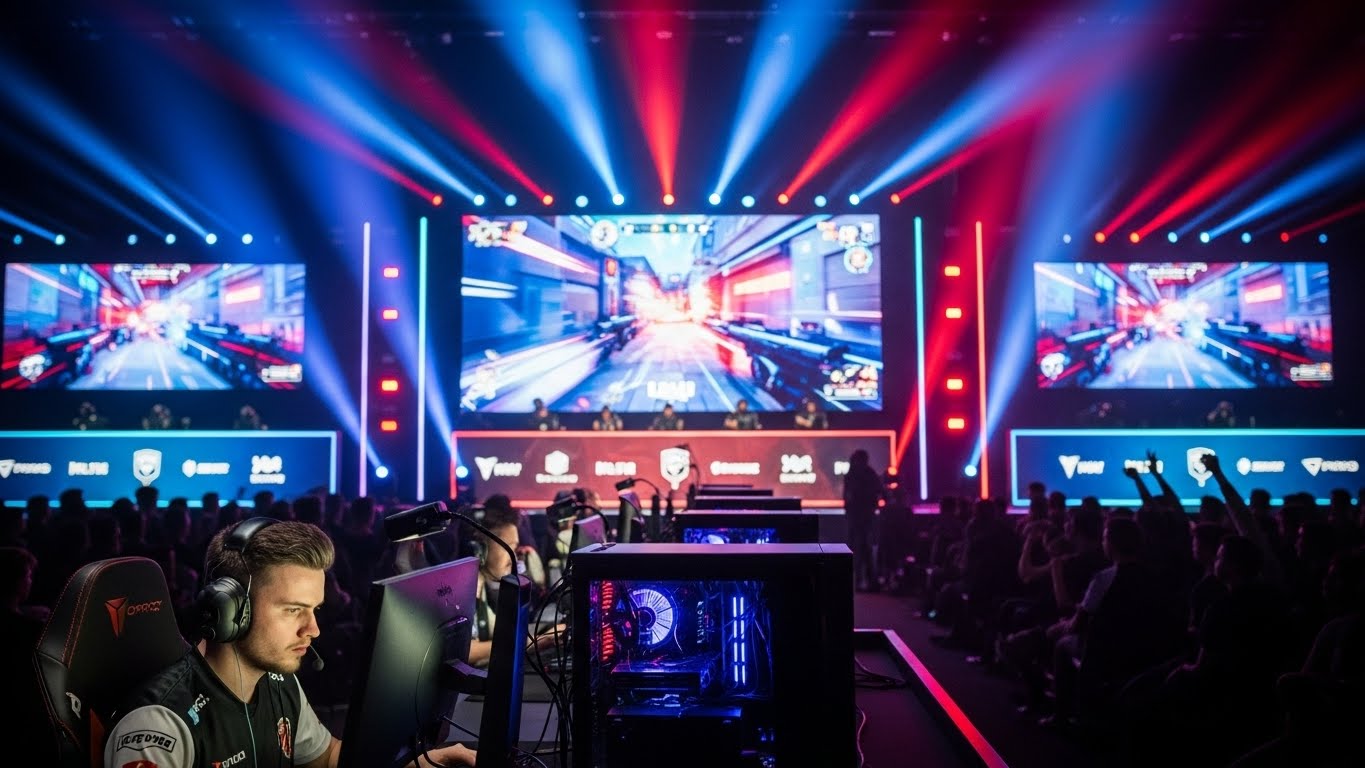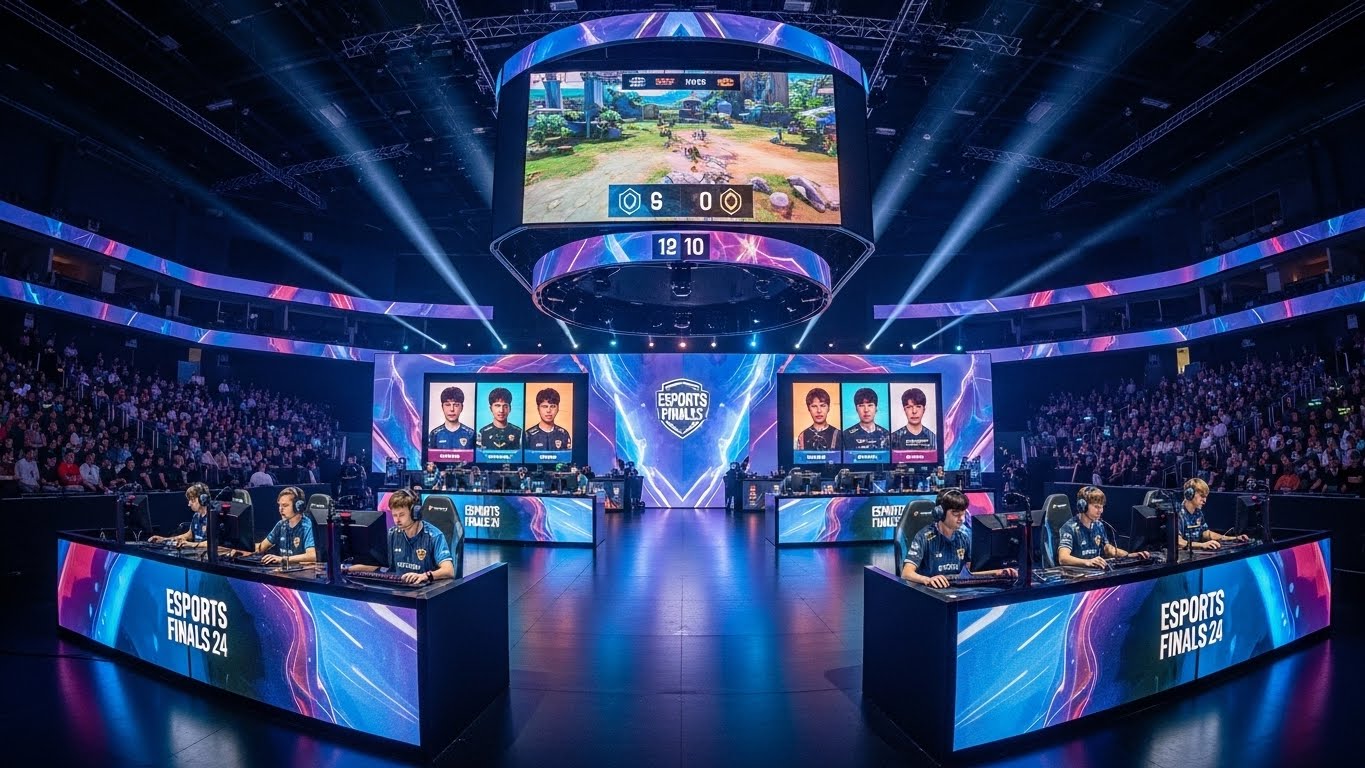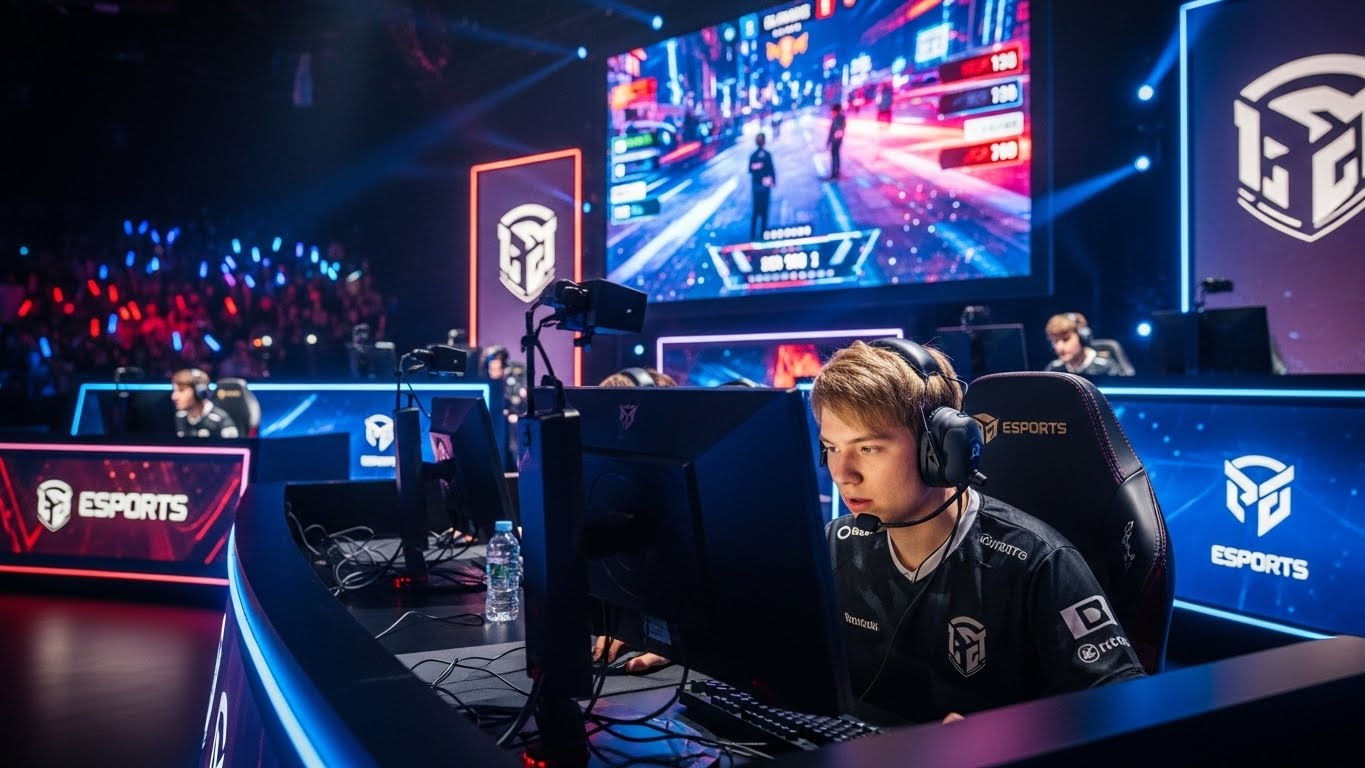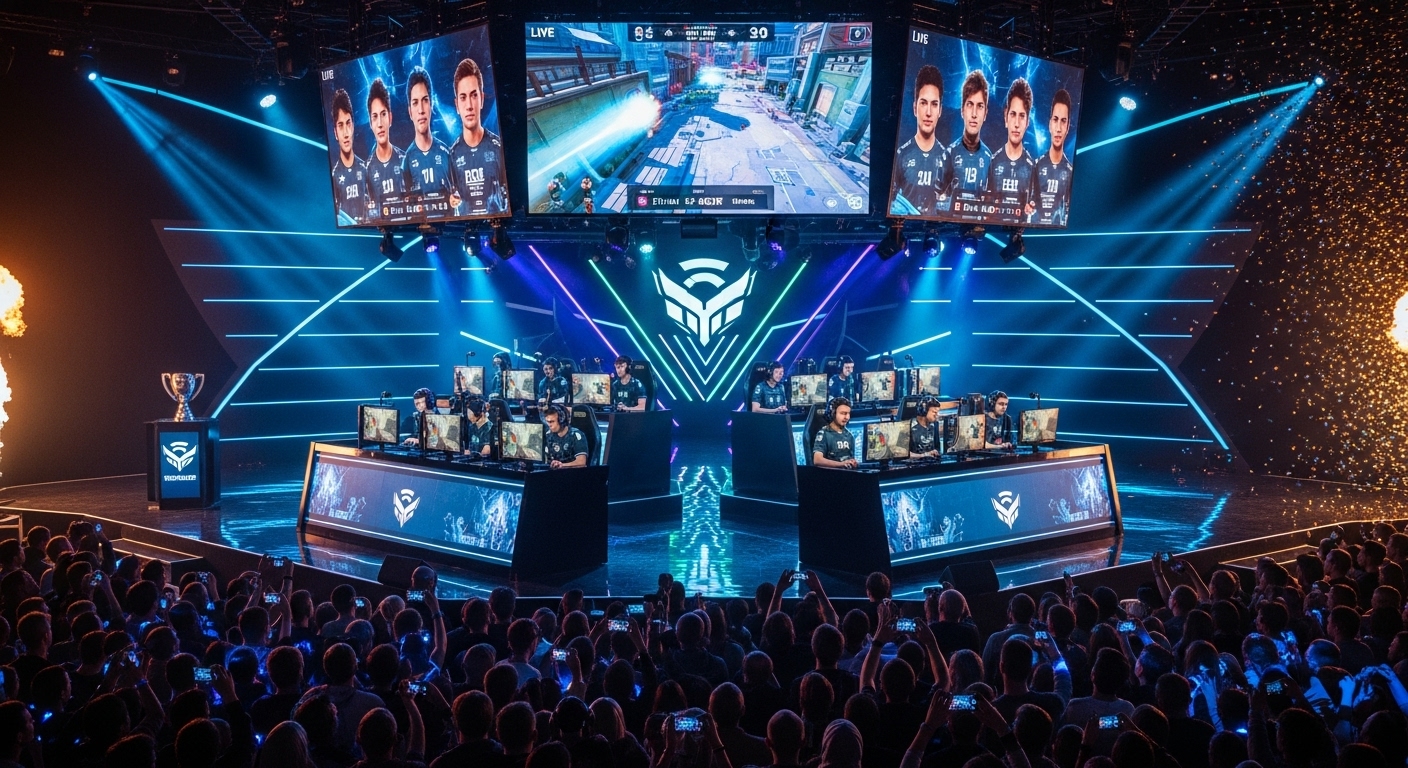
Esports, short for electronic sports, has transformed from a niche hobby into a global phenomenon over the past few decades. What once started as casual gaming competitions among friends has now evolved into a multi-billion-dollar industry, attracting millions of viewers worldwide and providing lucrative career opportunities for professional players, streamers, and analysts. Esports is no longer just entertainment; it is a cultural movement, technological innovation driver, and a legitimate sport that blends strategy, skill, and teamwork.
The Origins of Competitive Gaming
The roots of competitive gaming can be traced back to the late 1970s and early 1980s when arcade machines became popular across the globe. Classic titles such as Space Invaders, Pac-Man, and Donkey Kong not only entertained players but also spurred early competitions. Arcades often hosted high-score contests, laying the foundation for what we now consider competitive gaming.
The 1990s marked a critical turning point. With the proliferation of personal computers and the rise of multiplayer games like Doom, Warcraft, and StarCraft, players began competing in tournaments over local networks. South Korea emerged as a pioneer, embracing professional gaming through the establishment of gaming houses and televised competitions. By the late 1990s, esports had started gaining recognition as a legitimate competitive arena, driven by both community support and technological advancements.
Growth of the Esports Industry
In the 2000s, esports witnessed exponential growth due to the rise of broadband internet, online gaming platforms, and streaming technologies. Games such as Counter-Strike, League of Legends, and Dota 2 became iconic in competitive gaming circuits. Organizations emerged, forming structured teams, hiring professional coaches, and participating in international tournaments.
Esports tournaments grew both in scale and prestige. The League of Legends World Championship, for instance, now rivals traditional sporting events in terms of viewership and production quality. Multi-million-dollar prize pools, professional sponsorships, and corporate partnerships further legitimized esports as a serious industry.
Popular Esports Games
Esports encompasses a wide variety of genres, each with its own unique competitive scene. Multiplayer Online Battle Arenas (MOBAs) like League of Legends and Dota 2 are famous for strategic depth and intense teamwork. First-Person Shooters (FPS) such as Counter-Strike: Global Offensive, Valorant, and Overwatch emphasize precision, reflexes, and coordination. Fighting games like Street Fighter and Tekken highlight individual skill and adaptability, while sports simulations like FIFA and NBA 2K allow players to compete virtually in real-world sports settings. Each genre attracts a dedicated fan base, contributing to the diverse and dynamic nature of esports.
The Rise of Streaming Platforms
Streaming platforms such as Twitch, YouTube Gaming, and more recently, Trovo and Kick, have played a critical role in the expansion of esports. They enable fans to watch live competitions, interact with players, and participate in the community in real time. The accessibility of these platforms has allowed esports to reach a global audience, breaking geographical barriers and fostering international competition. Popular streamers have become celebrities in their own right, drawing millions of viewers and influencing gaming trends.
Esports as a Career
For many, esports offers a legitimate and rewarding career path. Professional gamers earn income through tournament winnings, team salaries, sponsorships, and streaming revenue. Coaches, analysts, event organizers, and content creators also find lucrative opportunities in the ecosystem. Universities and colleges around the world have recognized esports programs, providing scholarships to talented players and integrating esports into educational curriculums. This professionalization has increased competitiveness and raised the overall standards of gameplay.
Economic Impact of Esports
The economic impact of esports is staggering. The industry generates billions of dollars annually through sponsorships, media rights, merchandise, and ticket sales. Major technology companies, brands, and sports organizations invest heavily in esports to capture younger audiences. Cities and venues host esports tournaments that attract international audiences, boosting tourism and local economies. Beyond revenue, esports has also fostered entrepreneurship, with startups emerging in areas such as event management, analytics, training tools, and gaming hardware.
Cultural Significance
Esports is more than just a pastime; it has a profound cultural impact. Gaming culture has influenced fashion, music, and even language, with terminology and references from esports permeating mainstream media. Esports tournaments are social events where fans connect, form communities, and celebrate shared interests. The inclusion of esports in multi-sport events like the Asian Games has further solidified its role as a culturally significant activity.
Challenges Facing the Industry
Despite its growth, esports faces several challenges. Professional gamers often encounter mental and physical health issues due to rigorous training schedules and the high-pressure environment. Gender diversity remains limited, with women and marginalized groups underrepresented. Additionally, issues such as cheating, doping, and unethical management practices threaten the integrity of competitive gaming. Addressing these challenges is essential to ensure the long-term sustainability and credibility of esports.
Technological Innovations Driving Esports
Technological advancements continue to shape esports. High-performance gaming hardware, faster internet speeds, and immersive software contribute to smoother and more engaging gameplay. Virtual reality (VR) and augmented reality (AR) are beginning to influence competitive gaming, creating new genres and experiences. Artificial intelligence tools assist in analyzing player performance, strategizing in real time, and enhancing audience engagement. These innovations not only improve the competitive environment but also make esports more accessible to casual players and fans.
The Global Esports Community
Esports thrives on its global community. Online forums, fan clubs, and social media platforms provide spaces for players and fans to connect, exchange strategies, and celebrate achievements. International tournaments foster cross-cultural interactions and friendly rivalries. Countries like South Korea, China, the United States, and parts of Europe have become esports hubs, producing some of the most skilled players in the world. This international reach has helped esports transcend cultural boundaries and become a truly global phenomenon.
Future Prospects
The future of esports appears bright and full of potential. Continued investment, technological innovation, and increasing mainstream acceptance will likely drive further growth. We may see esports fully integrated into traditional sports leagues, with hybrid events combining physical and digital competition. Moreover, advancements in virtual experiences, cloud gaming, and AI could redefine how esports is played, viewed, and monetized. As more individuals embrace gaming as a legitimate form of competition, education, and entertainment, esports will continue to shape the future of digital culture.
Conclusion
Esports has evolved far beyond its humble beginnings as a recreational pastime. Today, it is a global industry that blends entertainment, strategy, technology, and culture. With millions of players and fans around the world, esports continues to break barriers, create opportunities, and redefine what it means to compete. While challenges remain, the growth of esports demonstrates its staying power and its capacity to influence not only gaming but society as a whole. The journey of esports reflects innovation, passion, and the universal human love for competition, making it one of the most exciting industries of the 21st century.