In the last decade, competitive gaming, or eSports, has evolved from a niche hobby into a global phenomenon. eSports is no longer just about playing video games for fun; it is a highly professionalized industry with organized tournaments, sponsorships, streaming platforms, and millions of passionate fans. From amateur players aspiring to go professional to global tournaments offering multimillion-dollar prize pools, eSports is redefining the concept of sports, entertainment, and digital culture. This blog explores the rise of eSports, its impact on society, the technology behind it, career opportunities, and what the future holds for competitive gaming.
Understanding eSports: More Than Just Gaming
eSports, short for electronic sports, refers to organized competitive video gaming where individuals or teams compete at local, national, or international levels. Popular genres include multiplayer online battle arenas (MOBAs), first-person shooters (FPS), real-time strategy (RTS) games, fighting games, and sports simulations. Titles like League of Legends, Dota 2, Counter-Strike, Fortnite, and FIFA have become staples in the eSports ecosystem.
Unlike casual gaming, eSports requires strategic thinking, teamwork, reflexes, and mental endurance. Players spend countless hours practicing, analyzing opponents, and refining strategies to perform at the highest level. eSports is now considered a legitimate form of competition, with professional players, coaches, and analysts contributing to a highly organized and structured industry.
The Rise of eSports: From Basement Gamers to Global Arenas
The origins of eSports date back to the 1970s and 1980s when arcade competitions and local gaming tournaments first emerged. However, it was the advent of high-speed internet and online multiplayer games in the 2000s that truly propelled competitive gaming into the global spotlight. Online platforms allowed players to connect, compete, and stream their gameplay to audiences worldwide, creating a new form of entertainment.
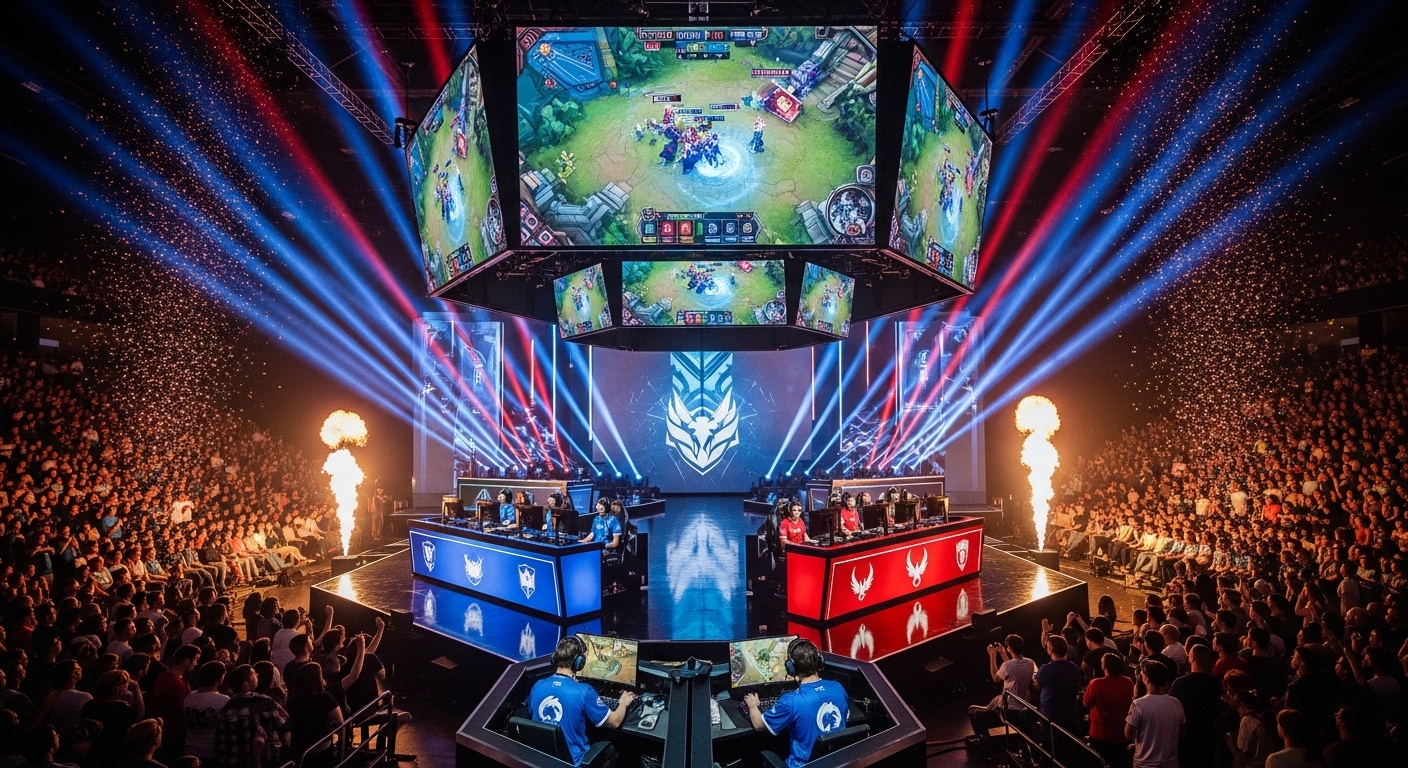
Today, eSports tournaments are held in massive arenas with live audiences, broadcast on streaming platforms, and covered by mainstream media. Events like the League of Legends World Championship, The International Dota 2 Championship, and Fortnite World Cup draw millions of viewers globally, rivaling traditional sports in popularity. The growth of eSports demonstrates the universal appeal of competitive gaming and its ability to unite players and fans across cultures and continents.
The Role of Streaming Platforms in eSports
Streaming platforms have been instrumental in eSports’ explosive growth. Services like Twitch, YouTube Gaming, and other live-streaming platforms allow professional gamers to broadcast their gameplay to global audiences. Fans can watch live matches, learn strategies, interact with players through chat, and participate in online communities.
Streaming has also created new revenue streams for eSports players, including subscriptions, donations, sponsorships, and advertising partnerships. It has transformed gaming into an interactive spectator sport, where audiences can engage directly with players and content creators. The accessibility of streaming platforms has democratized eSports, allowing talented players from anywhere in the world to gain recognition and build careers.
The Economics of eSports: A Multi-Billion Dollar Industry
eSports has grown into a highly lucrative industry. Professional teams, tournaments, and sponsors generate billions of dollars annually. Revenue streams include tournament prize pools, sponsorship deals, merchandising, advertising, ticket sales, and media rights. Major brands, including technology companies, sportswear manufacturers, and beverage brands, recognize the value of reaching eSports audiences, particularly younger demographics.
Tournament organizers offer substantial prize money, sometimes exceeding millions of dollars, attracting top-tier talent and elevating the stakes of competitive gaming. The financial opportunities extend beyond players to include coaches, analysts, content creators, event organizers, and commentators, making eSports a diverse and sustainable industry with global economic impact.
Training and Preparation: The Professional Side of eSports
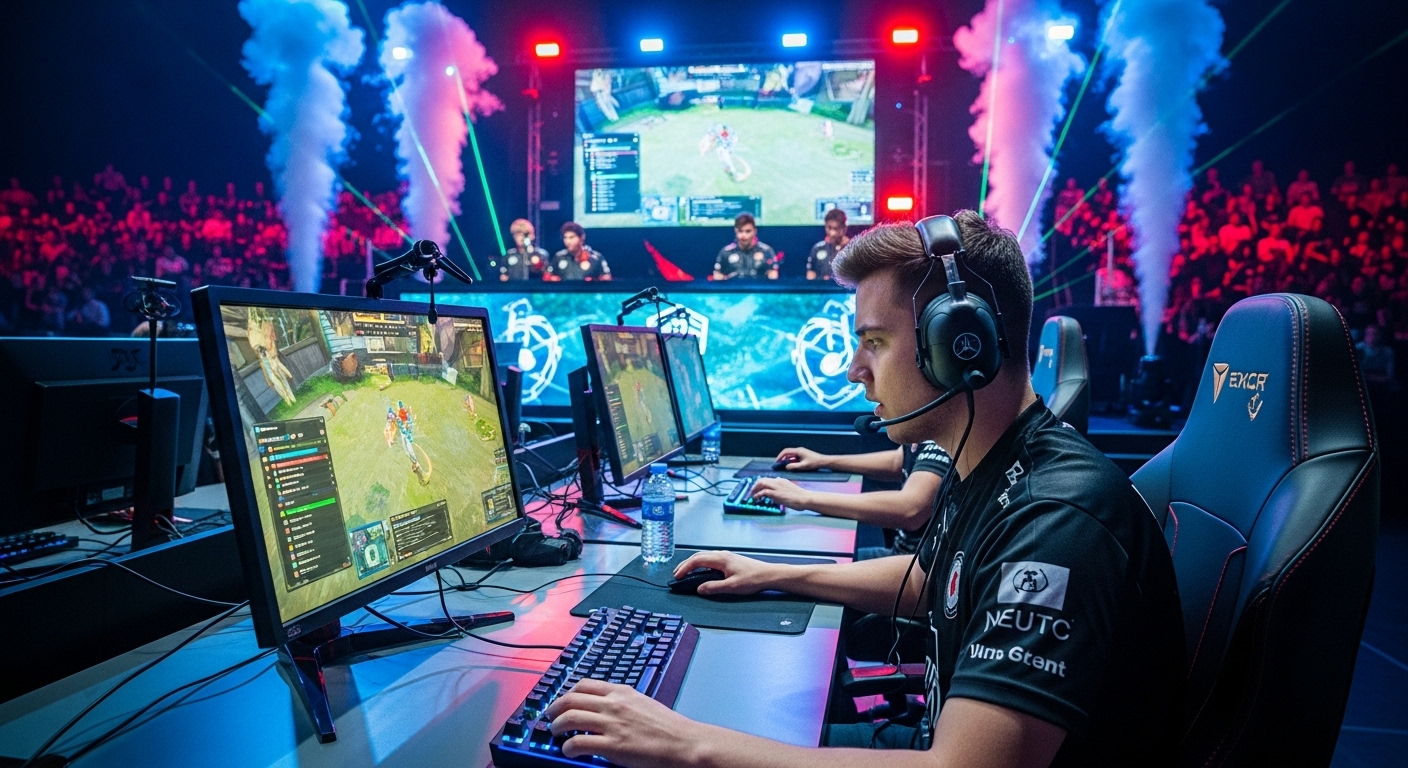
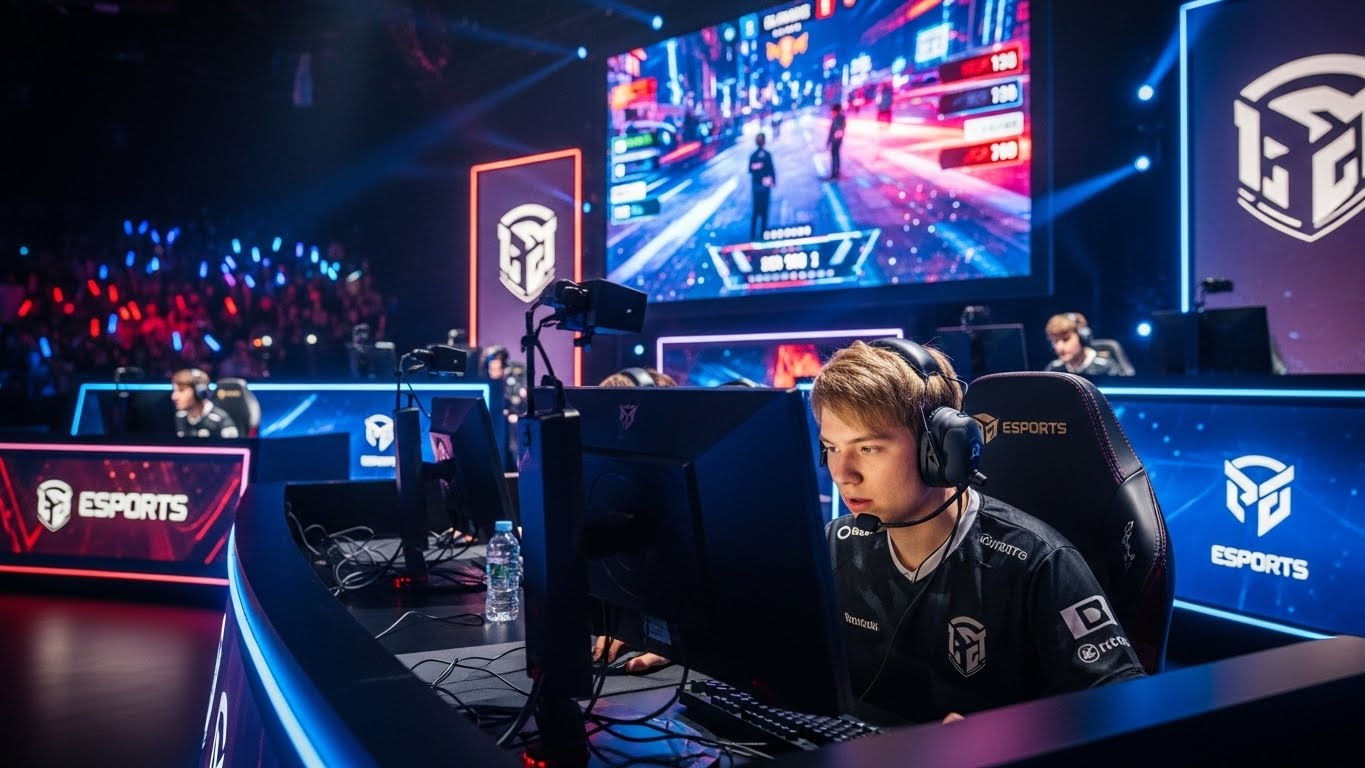
Professional eSports players treat their craft with the same rigor as traditional athletes. Training regimens often include 6 to 10 hours of practice per day, strategic planning sessions, and team coordination exercises. Physical fitness, mental health, and reaction time are critical components, as competitive gaming demands endurance, concentration, and split-second decision-making.
Coaches analyze gameplay, develop strategies, and provide feedback, while analysts study opponents’ patterns and tactics. Teams often use sophisticated software for performance tracking, allowing players to optimize their skills. This structured approach highlights the professionalism of eSports and dispels misconceptions that gaming is purely recreational.
eSports and Technology: A Symbiotic Relationship
Technology is at the heart of eSports. High-performance gaming hardware, fast internet connectivity, and advanced graphics engines provide the foundation for competitive play. Innovations like AI-driven analytics, real-time performance tracking, and spectator-friendly broadcasting tools enhance the gaming experience for both players and audiences.
Virtual reality (VR) and augmented reality (AR) are beginning to influence eSports by creating more immersive experiences for players and fans. Cloud gaming allows players to compete without high-end hardware, increasing accessibility. The technological evolution of eSports ensures that it remains dynamic, innovative, and globally competitive.
Social Impact of eSports: Community, Collaboration, and Competition
eSports fosters social interaction and community building. Online teams, fan communities, and discussion forums provide platforms for collaboration, learning, and engagement. Players form friendships, mentors guide newcomers, and fans share strategies and experiences, creating a sense of belonging within the digital ecosystem.
Competitive gaming also encourages teamwork, communication, and problem-solving skills. Players must coordinate strategies, adapt to changing situations, and make quick decisions under pressure. These skills often translate into real-world benefits, making eSports not just entertainment but a platform for personal growth and development.
Career Opportunities in eSports
eSports offers diverse career paths beyond professional play. Roles include coaches, team managers, analysts, commentators, streamers, event organizers, marketing professionals, and software developers. Educational institutions have begun offering eSports programs, certifications, and scholarships, reflecting the growing legitimacy of the industry.
Professional players can achieve celebrity status, commanding sponsorship deals, merchandise sales, and media appearances. Influencers and content creators within eSports also benefit financially while shaping the industry’s culture and trends. The expansion of eSports careers underscores the industry’s maturity and the opportunities available for passionate individuals.
Challenges Facing the eSports Industry
Despite its rapid growth, eSports faces several challenges. Issues such as player burnout, mental health concerns, performance pressure, and online toxicity are prevalent in competitive gaming. Professional players often face rigorous schedules and high expectations, which can lead to physical and mental strain.
Regulation and governance are also ongoing challenges. Standardizing rules, ensuring fair play, and preventing cheating are critical for maintaining the integrity of competitions. Moreover, balancing monetization with player and viewer satisfaction is essential to ensure sustainable growth. Addressing these challenges requires collaboration between developers, teams, sponsors, and regulatory bodies.
The Future of eSports
The future of eSports is bright and filled with possibilities. Continued technological advancements will enhance gameplay, spectator experiences, and global accessibility. Virtual reality, augmented reality, and artificial intelligence will further elevate competitive gaming, making it more immersive and interactive.
Integration with mainstream sports and entertainment is also expected to increase. Traditional sports organizations are investing in eSports teams, tournaments are being broadcast on television, and sponsorships are becoming more diverse and lucrative. As eSports continues to gain recognition, it is poised to become a central component of global entertainment and digital culture.
Conclusion
eSports has transformed the landscape of entertainment, merging technology, competition, and community into a global phenomenon. From its humble beginnings as local tournaments to multimillion-dollar international competitions, eSports exemplifies the evolution of gaming into a professional, organized, and influential industry.
With the rise of streaming platforms, technological innovation, and increased social engagement, eSports continues to attract new players, audiences, and investors. The industry offers professional opportunities, fosters personal development, and creates shared experiences for millions worldwide.
As eSports grows in legitimacy and popularity, it is redefining what it means to be an athlete, a spectator, and a participant in the digital era. Its influence on entertainment, culture, and technology ensures that competitive gaming is not just a passing trend but a permanent and transformative part of global culture.