Esports has grown from humble beginnings as a casual hobby to a worldwide competitive industry, attracting millions of fans, players, and investors. The rise of esports has transformed video gaming into a professional pursuit, creating opportunities for athletes, content creators, and businesses. Beyond entertainment, esports demonstrates the power of strategy, teamwork, mental agility, and technology. This blog explores the history, structure, impact, challenges, and future of esports as a defining part of modern culture.
The Origins of Competitive Gaming
Competitive gaming can trace its roots to the early days of video games. In the 1970s and 1980s, arcade machines encouraged friendly rivalries by displaying high scores, allowing players to compete for local recognition. Simple games like Pong and Space Invaders created the first spark of competition in gaming culture.
As technology advanced, multiplayer games allowed players to compete over networks, setting the stage for organized tournaments. Games like Quake, StarCraft, and Counter-Strike became popular competitive platforms, demonstrating that gaming could require skill, strategy, and collaboration—essential elements of professional competition.
The Rise of Organized Esports
Esports truly began to take shape when competition became structured. Tournaments introduced formal rules, prize pools, and rankings, motivating players to train seriously. Organized leagues, both online and offline, allowed players to measure their skills against the best in the world.
The emergence of professional teams and sponsorships elevated esports from casual gaming to a legitimate career path. Players now dedicate hours each day to practice, strategy, and team coordination, much like traditional athletes. These developments helped establish esports as a serious and respected competitive field.
Esports as a Recognized Sport
Esports shares many traits with traditional sports, including teamwork, coaching, competition, and audience engagement. Players must maintain physical and mental discipline, manage stress under pressure, and execute strategies with precision.
What differentiates esports is its digital platform. Instead of physical arenas, competition occurs in virtual spaces, yet the level of intensity, skill, and professionalism remains comparable to any traditional sport. This digital nature allows global accessibility and the creation of new competitive formats that are impossible in conventional sports.
Structure of the Esports Ecosystem
The esports ecosystem is vast and multi-layered. Competitive games are divided into genres such as multiplayer online battle arenas, first-person shooters, real-time strategy games, and sports simulations. Each genre emphasizes different skill sets, from reflexes and timing to strategic thinking and teamwork.
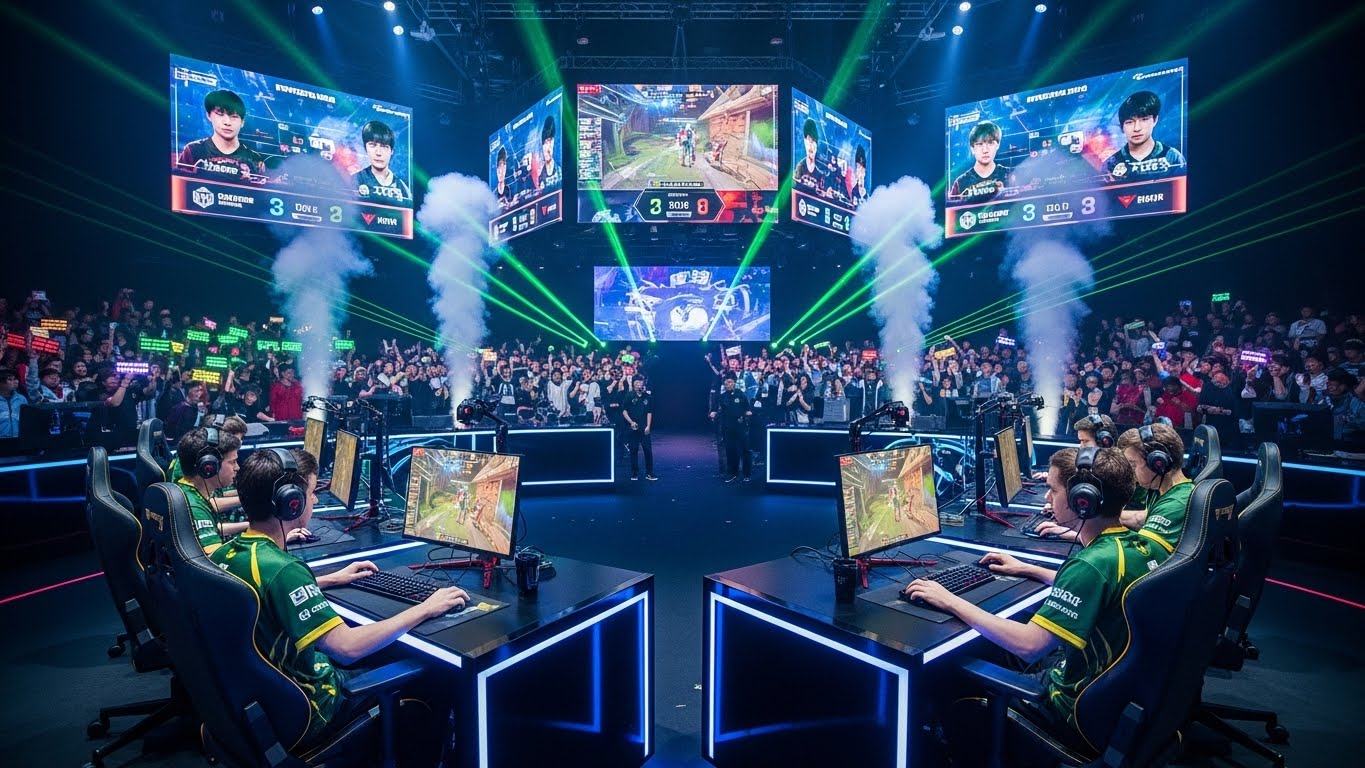
Professional teams are supported by coaches, analysts, psychologists, and managers. Tournament organizers handle brackets, schedules, and rules enforcement. Broadcasters provide live coverage with commentary and analytics, making matches accessible and entertaining for millions of viewers worldwide. Every element of this ecosystem contributes to the growth and sustainability of esports as an industry.
Life of an Esports Player
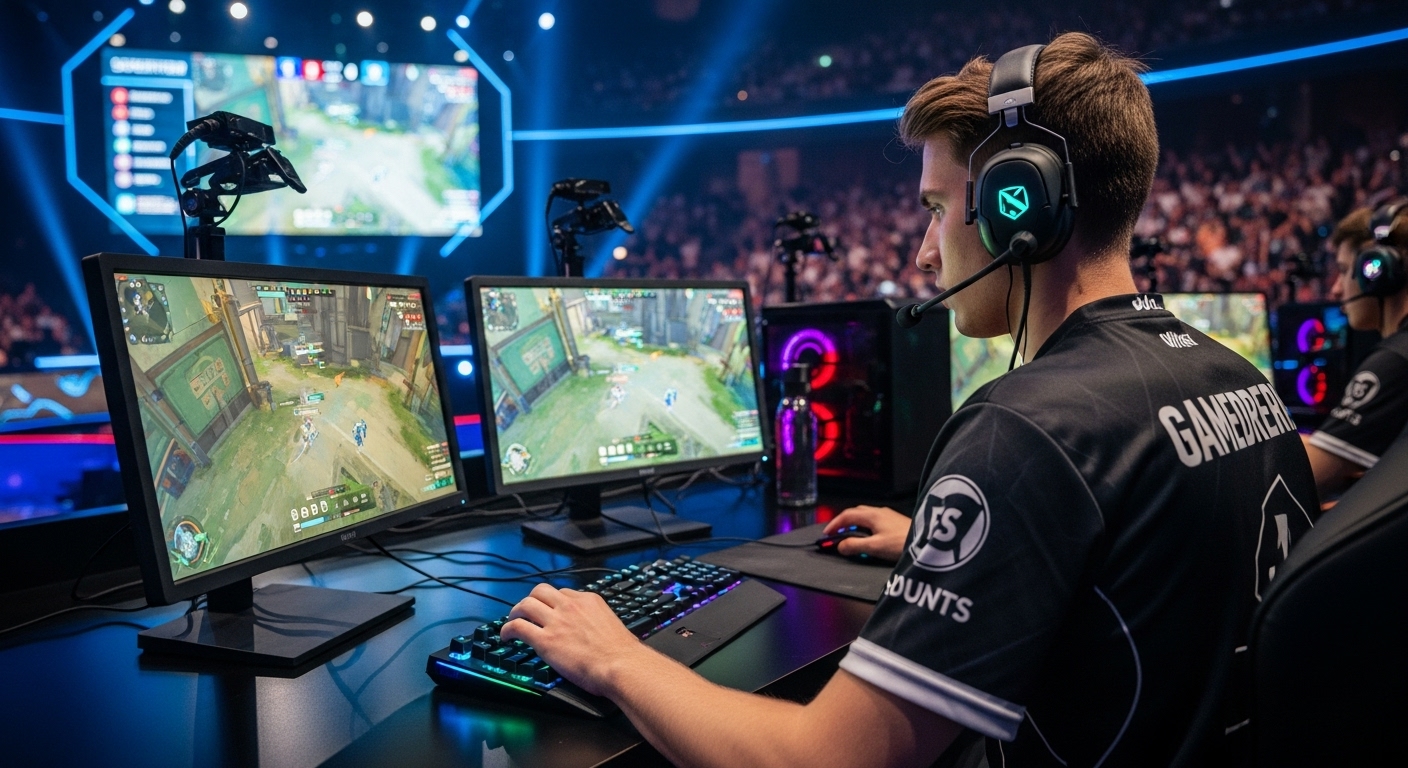
Being an esports athlete requires discipline, dedication, and focus. Professional players often train for 8 to 12 hours a day, combining mechanical skill practice with strategy sessions and team coordination. Mental preparation, including focus and resilience exercises, is equally important.
Players also need to maintain physical health. Exercise, proper ergonomics, and healthy routines prevent injuries related to repetitive motion and long hours of gaming. The life of an esports player is intense and highly structured, reflecting the professionalism and commitment required at the highest levels of competition.
Mental Focus and Competitive Pressure
Mental strength is one of the most critical components of esports success. Matches are fast-paced, and decisions must be made instantly. A single misstep can change the outcome of a game, making focus and composure essential.
Professional players work with psychologists and mental coaches to develop strategies for stress management, emotional control, and performance under pressure. Maintaining consistency, confidence, and strategic thinking in high-stakes situations distinguishes top-level competitors from the rest.
Technology Driving Esports
Technology forms the foundation of esports. High-performance computers, gaming peripherals, and stable internet connections ensure fair competition and optimal performance. Developers play a key role by balancing gameplay, updating content, and fixing technical issues to keep competition fair and engaging.
Broadcasting technology has been equally transformative. High-definition visuals, instant replays, live commentary, and detailed analytics enhance viewer experience, making esports more engaging and accessible. These advancements have turned esports into a polished, professional spectacle for audiences worldwide.
Community and Fan Engagement
Esports thrives on its community. Fans engage with teams and players through live streams, forums, social media, and in-person events. This interaction fosters loyalty, shared identity, and a sense of belonging.
Unlike traditional sports, esports fans often communicate directly with players through streaming platforms. Communities create fan art, memes, and content that celebrate gaming culture, turning audiences into active participants rather than passive viewers. This dynamic engagement is a cornerstone of esports’ global appeal.
Economic Impact of Esports
Esports has become a multi-billion-dollar industry. Revenue streams include tournament prize pools, sponsorships, advertising, merchandise, and media rights. Major brands invest heavily in esports to reach a global, digitally native audience.
Esports also creates employment across multiple sectors, including coaching, production, content creation, marketing, and software development. Large tournaments contribute to local economies by attracting visitors and stimulating hospitality, transport, and media industries. The financial scale of esports highlights its significance as a modern industry.
Education and Skill Development
Esports fosters skills that extend beyond gaming. Players develop teamwork, communication, leadership, problem-solving, and strategic thinking. Educational institutions are increasingly offering esports programs, encouraging students to develop these skills while participating in competitive gaming.
Scholarships and esports clubs provide opportunities for students to pursue careers in technology, management, and digital content creation. Esports demonstrates that gaming can be a tool for education, personal growth, and career development.
Ethical Considerations and Player Welfare
As esports grows, ethical considerations have become more prominent. Issues such as cheating, match-fixing, and exploitation of young players threaten the integrity of competition. Ensuring fair play, transparency, and player protection is essential for maintaining credibility.
Player welfare is a critical concern. Professional gamers face high-pressure schedules, travel demands, and potential burnout. Providing mental health support, career counseling, and regulated working conditions is necessary for sustainable development of the industry.
Diversity and Inclusion
Esports has the potential to be highly inclusive because physical attributes are less limiting than in traditional sports. However, challenges such as gender imbalance, harassment, and lack of representation persist.
Efforts to promote diversity, including initiatives supporting women, LGBTQ+ players, and marginalized communities, are growing. Inclusive environments enhance creativity, expand the talent pool, and strengthen the global esports community.
Esports as a Cultural Movement
Esports is more than competition; it is a cultural phenomenon. It influences fashion, language, entertainment, and digital creativity. Players and streamers become influential figures, shaping trends and inspiring new generations.
Global tournaments and conventions bring together players, fans, and creators, creating shared experiences and a sense of identity. Esports is redefining how people interact, compete, and engage with digital culture, bridging social, geographic, and cultural gaps.
The Future of Esports
The future of esports is promising. Advancements in technology, including virtual reality, augmented reality, and artificial intelligence, will enhance gameplay and audience engagement. New competitive titles will emerge, while established games continue to evolve.
Greater attention to regulation, inclusivity, and mental health will ensure sustainable growth. As esports integrates further with mainstream media and education, it will continue to shape entertainment, social interaction, and professional opportunities worldwide.
Conclusion
Esports has evolved from small-scale gaming competitions to a global, professional, and culturally significant industry. It combines strategy, skill, technology, and community, offering opportunities for competition, career growth, and cultural engagement.
Despite challenges such as ethics, inclusivity, and player welfare, the growth of esports demonstrates its enduring appeal and potential. Esports is not just a pastime—it is a modern form of sport, entertainment, and culture that continues to redefine competition in the digital era.