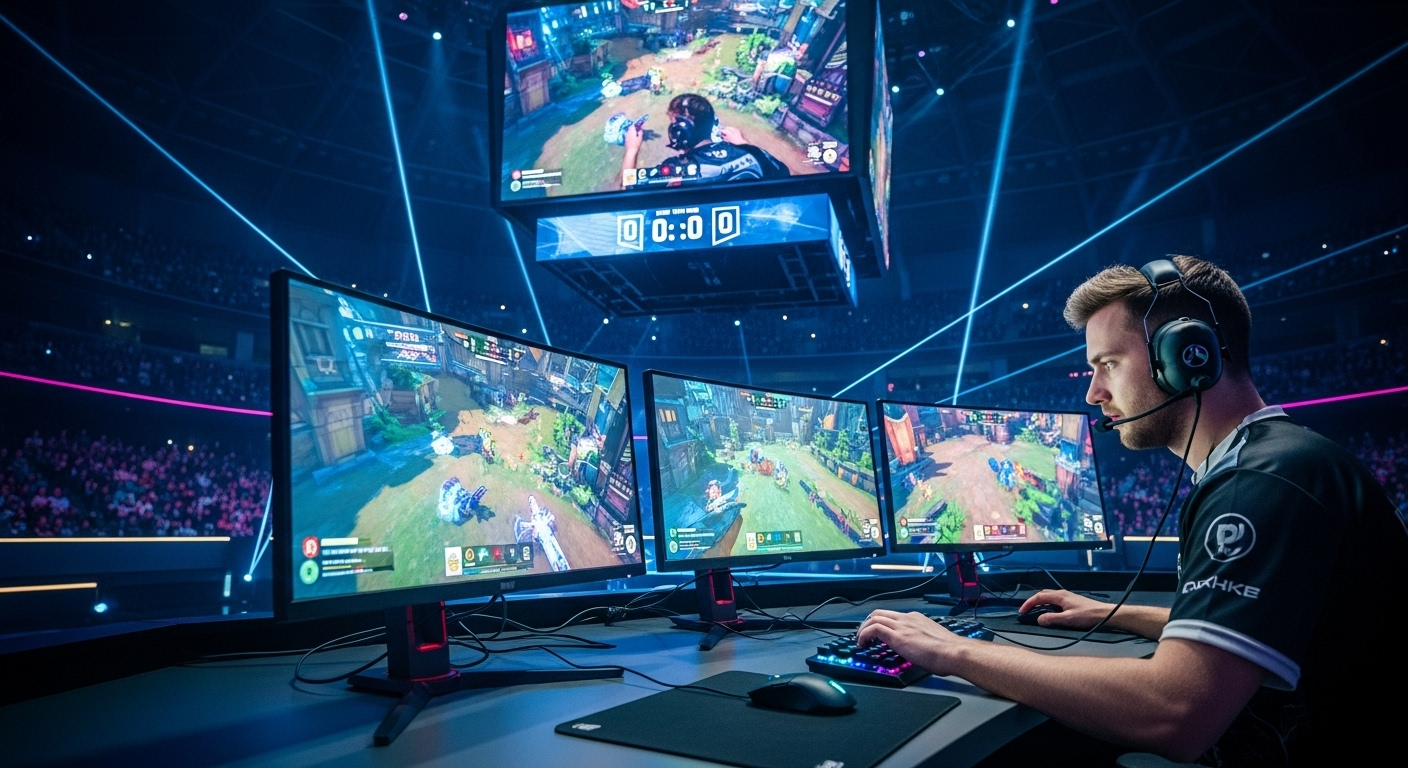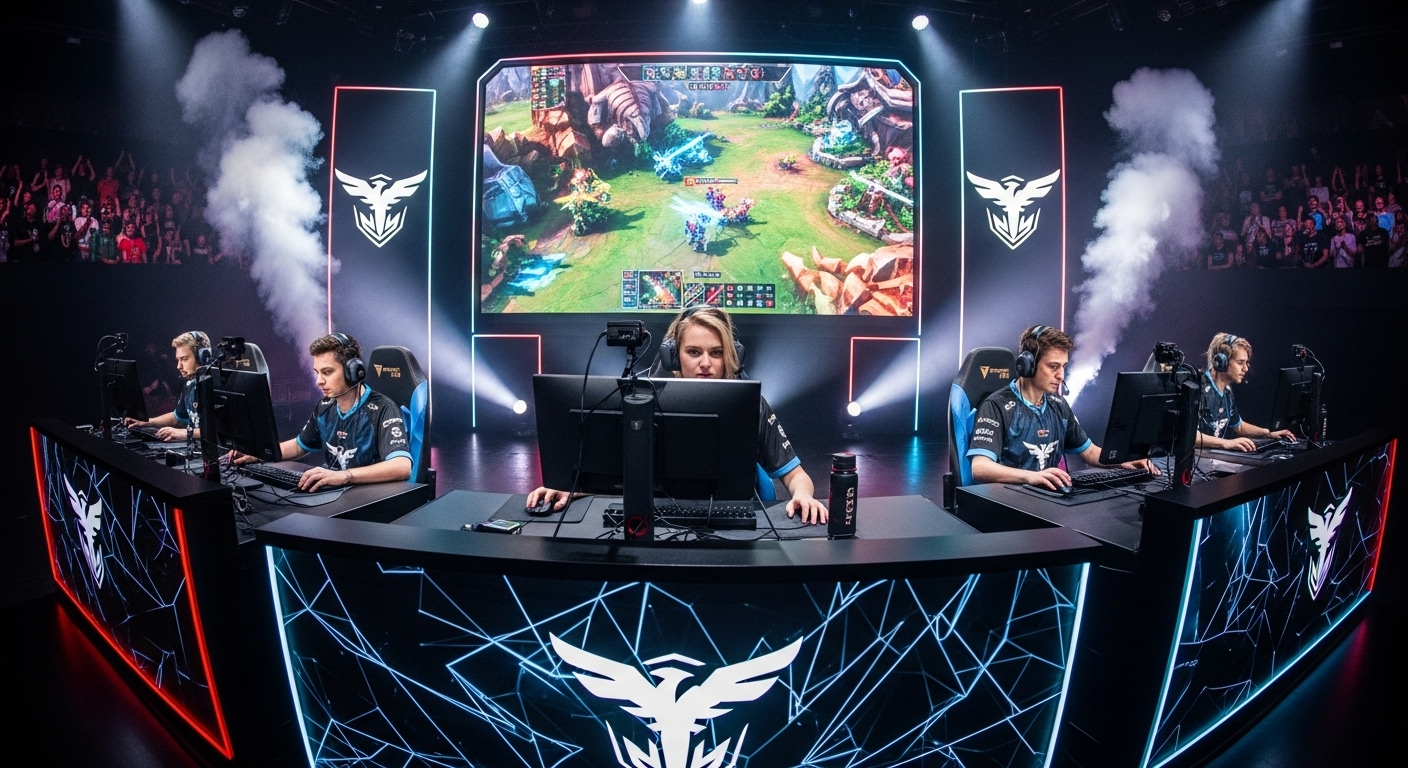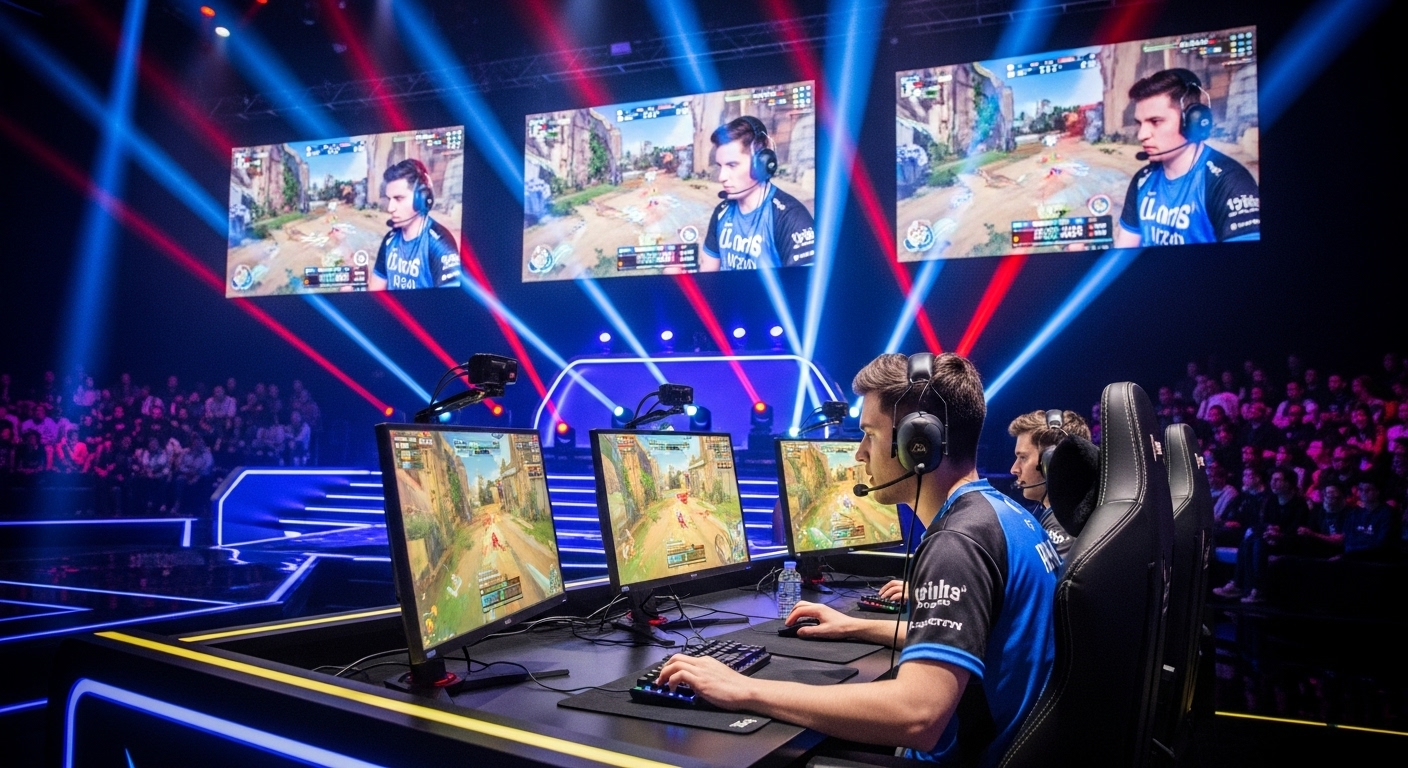
Introduction to Esports
Over the past two decades, the world has witnessed the meteoric rise of esports, transforming what was once considered a casual pastime into a global industry worth billions. Esports, or electronic sports, refers to organized, competitive video gaming where professional players and teams compete against each other in popular titles such as League of Legends, Counter-Strike, Dota 2, and Fortnite. It represents not only a revolution in entertainment but also a shift in how people perceive sports, competition, and technology. This phenomenon has connected millions of fans across the globe, fostering an entirely new culture of digital athletics.
The Early Days of Esports
Esports did not begin as the massive industry we know today. Its roots trace back to the early 1970s and 1980s when universities and gaming enthusiasts would organize small competitions. One of the earliest recorded tournaments took place in 1972 at Stanford University, where students competed in a game called Spacewar. Prizes were modest, but the spirit of competition was alive even then.
The 1980s brought the arcade boom, where players would compete for high scores on machines like Pac-Man and Donkey Kong. Magazines and gaming conventions would often highlight top players, marking the beginning of gaming celebrity culture. However, it wasn’t until the 1990s, with the arrival of the internet and home computers, that competitive gaming began to evolve into something more structured. Titles like Doom, Quake, and StarCraft introduced multiplayer online gameplay, allowing players to compete globally for the first time.
The Internet Age and the Rise of Online Tournaments
The true transformation of esports began with the expansion of broadband internet in the early 2000s. Online connectivity made it possible for players from different countries to face off in real-time, which dramatically increased the popularity and accessibility of competitive gaming. Companies started hosting online tournaments with cash prizes, attracting talented players who dedicated themselves to mastering their chosen games.
Korea played a pivotal role in the early growth of esports, particularly with the game StarCraft: Brood War. Televised matches drew millions of viewers, and professional players became national icons. This model soon spread globally, as companies realized the commercial potential of esports. The concept of gaming teams, sponsorships, and leagues began to take shape, setting the foundation for the modern esports ecosystem.
The Birth of Major Esports Titles
Certain games have defined the esports landscape and contributed significantly to its growth. League of Legends, Dota 2, and Counter-Strike: Global Offensive stand as cornerstones of the modern esports world. These titles are not just games; they are global competitive platforms with structured leagues, annual world championships, and dedicated fanbases.
League of Legends, developed by Riot Games, revolutionized esports by combining deep strategic gameplay with consistent developer support and global tournaments. Its World Championship, often referred to as “Worlds,” attracts millions of viewers annually and features production quality rivaling that of traditional sporting events. Similarly, Dota 2 by Valve Corporation created one of the most lucrative esports tournaments in history, The International, which offers multi-million-dollar prize pools funded largely through community contributions.
On the other hand, Counter-Strike has maintained a legacy as one of the oldest and most respected competitive titles. Its emphasis on teamwork, skill, and precision makes it a constant presence in the esports circuit. These games, along with others like Overwatch, Fortnite, and Valorant, have helped establish esports as a legitimate global sport.
The Growth of Esports Infrastructure
Behind every successful esports event lies a complex infrastructure of organizations, sponsors, broadcasters, and governing bodies. Professional teams now operate much like traditional sports franchises, with dedicated management, coaching staff, analysts, and even psychologists. Training facilities equipped with cutting-edge technology allow players to practice under optimal conditions.
Broadcasting and production have also reached impressive levels. Esports tournaments are streamed live to millions via platforms like Twitch, YouTube, and various regional streaming services. Commentators, known as “casters,” provide live analysis and excitement, adding depth and professionalism to the experience. Event production often includes elaborate stage designs, special effects, and fan interactions that rival any major sporting event.
Esports organizations have also formed partnerships with well-known brands in technology, fashion, and food industries. Sponsors recognize the immense marketing potential of esports, as it reaches younger audiences who are highly engaged and passionate. This has helped the industry secure stable financial support, further fueling its growth.
The Rise of Professional Esports Players
In the early days, professional gamers were often viewed as hobbyists. Today, esports players are recognized as athletes in their own right. They undergo rigorous training routines, sometimes practicing up to 12 hours a day to refine their reflexes, strategies, and teamwork. Many teams hire nutritionists and physical trainers to ensure that players maintain healthy lifestyles despite their demanding schedules.
Top players earn salaries that rival or even surpass those of traditional sports stars. Prize money, sponsorships, streaming revenue, and merchandise sales all contribute to their income. The fame and recognition associated with success in esports can turn players into global celebrities, with millions of social media followers and fan communities dedicated to their careers.
However, the life of a professional esports player is not without challenges. The intense competition, high expectations, and mental strain can lead to burnout. Players often retire young, typically in their mid-twenties, as reaction times and motivation begin to decline. Fortunately, many transition into roles as coaches, streamers, or commentators, continuing to contribute to the community.
Esports as a Global Cultural Phenomenon
Esports transcends borders, languages, and cultures. It has become a unifying force for millions around the world. Fans from different countries cheer for their favorite teams, discuss strategies online, and attend massive live events in arenas packed with energy and excitement. Esports has even become a form of cultural diplomacy, bringing together players from diverse backgrounds to compete on an international stage.
Major cities now host esports arenas specifically designed for gaming competitions. Events such as the League of Legends World Championship and The International fill stadiums that once hosted football or basketball games. This level of fan engagement demonstrates how deeply esports has integrated into modern culture.
Universities around the world have begun offering esports scholarships and degrees in gaming-related fields such as game design, event management, and marketing. This educational inclusion signals that esports is not just entertainment—it is a legitimate industry with career opportunities across multiple sectors.
The Economics of Esports
The esports industry is now worth billions, with revenue streams coming from sponsorships, advertising, media rights, ticket sales, and merchandise. According to recent estimates, the global esports market continues to grow at an impressive pace, driven by the expansion of streaming platforms and the increasing number of fans.
Companies invest heavily in esports teams and events because of their ability to attract a highly valuable demographic—young, tech-savvy consumers who are difficult to reach through traditional advertising. This has led to collaborations between esports brands and companies in sectors like automotive, telecommunications, and even luxury fashion.
Franchised leagues have also brought stability to the industry. Similar to professional sports leagues, esports franchises have fixed teams, structured seasons, and shared revenue models. This system provides long-term sustainability and allows investors to plan strategically for growth.
The Role of Technology in Esports Development
Technology is at the heart of esports, driving innovation and enhancing the competitive experience. High-performance gaming hardware, advanced graphics, and low-latency internet connections allow players to perform at their best. Game developers constantly update and balance their titles to ensure fair competition and evolving strategies.
Virtual reality and augmented reality are also starting to influence esports. While still in early stages, these technologies promise to create immersive experiences for both players and viewers. Artificial intelligence is used to analyze gameplay data, helping teams improve strategies and understand their opponents more effectively.
Streaming technology has perhaps been the most important advancement, making esports accessible to audiences worldwide. Fans can watch live matches, replays, and player streams from virtually any device, fostering a sense of community and continuous engagement.
Challenges Facing the Esports Industry
Despite its success, esports faces several challenges that must be addressed to ensure sustainable growth. One major concern is player health, both physical and mental. The intense demands of professional gaming can lead to repetitive strain injuries, poor posture, and mental fatigue. Organizations are increasingly aware of this issue and are implementing wellness programs to support players.
Another challenge is maintaining competitive integrity. Issues such as cheating, match-fixing, and performance-enhancing substances can damage the credibility of esports. Regulatory bodies and developers are working together to establish rules, monitoring systems, and penalties to prevent such behavior.
Additionally, the rapid commercialization of esports has raised questions about inclusivity and accessibility. While the industry continues to grow, it must ensure that it remains open to new players, regardless of gender, nationality, or background. Efforts to promote diversity and create safe, inclusive environments are becoming essential to the future of esports.
The Future of Esports
Looking ahead, esports shows no signs of slowing down. Its integration into mainstream culture continues to expand, with discussions even emerging about including esports in major multi-sport events. Governments in several countries now recognize esports athletes officially, and international organizations are exploring frameworks for global competitions.
The continued growth of mobile gaming is also reshaping the esports landscape. Titles like PUBG Mobile, Mobile Legends, and Free Fire have made competitive gaming accessible to millions who may not own powerful gaming PCs. This democratization of esports ensures that participation is no longer limited to those with expensive equipment, allowing players from developing regions to rise to prominence.
As technology advances, the line between physical and digital competition will blur even further. Esports could eventually merge with virtual and augmented realities, offering experiences that are more immersive than ever before. With constant innovation, expanding audiences, and a strong sense of community, esports is positioned to remain one of the defining phenomena of the 21st century.
Conclusion
Esports has evolved from humble beginnings into a global powerhouse that blends competition, technology, and entertainment. It has reshaped the concept of sports, proving that athleticism can manifest not only through physical strength but also through mental agility, teamwork, and strategic thinking. The players are the new-age athletes, the arenas are digital, and the fans span continents.
The impact of esports goes beyond gaming; it influences education, business, media, and culture. It represents the future of entertainment—a world where anyone, anywhere, can compete, create, and connect. As esports continues to grow, it will undoubtedly inspire generations to come, proving that the digital age has given rise not just to new technology but to an entirely new form of human achievement.