Introduction
In the past few decades, the world has witnessed a remarkable transformation in how entertainment, sports, and technology intersect. One of the most striking outcomes of this transformation is the birth and explosive growth of esports, or electronic sports. Esports refers to organized, competitive video gaming, often involving professional players, teams, and large-scale tournaments that attract millions of viewers worldwide. What was once a hobby confined to small gaming communities has now evolved into a multi-billion-dollar global industry with professional leagues, sponsors, and dedicated fanbases.
The rise of esports is not just about gaming; it is about innovation, culture, and the human drive to compete. This blog explores the fascinating journey of esports—from its humble beginnings to its global dominance—and examines its impact on society, culture, and the future of entertainment.
The Origins of Esports
Esports may seem like a modern phenomenon, but its roots trace back to the early days of video gaming in the 1970s and 1980s. The first known competitive gaming event took place in 1972 at Stanford University, where students competed in a game called Spacewar!. The prize was a year’s subscription to a magazine, yet this event planted the seed for something much larger.
During the 1980s, arcade games such as Pac-Man and Donkey Kong popularized the idea of competition through high scores. Players across the world aimed to set records and earn recognition in gaming magazines. By the 1990s, the introduction of multiplayer games and local area networks (LAN) brought players together in a more direct, competitive setting. Games like Doom and Quake became the foundation of early esports competitions, and the first major tournaments began to take shape.
The 2000s: The Birth of a Global Phenomenon
The early 2000s marked a turning point for esports. With the rise of high-speed internet and improved technology, gamers could now compete online, removing the limitations of geography. Titles such as Counter-Strike, StarCraft, and Warcraft III became global sensations, and online platforms allowed for organized tournaments and rankings.
During this period, professional teams and organizations began to emerge. South Korea played a particularly significant role in shaping esports into a legitimate profession. The country’s government and media embraced esports, establishing professional leagues and broadcasting matches on television. Players became celebrities, and gaming cafes, known as PC bangs, became cultural hubs.
It was also in the 2000s that esports started attracting sponsors and investors. Technology companies, peripheral manufacturers, and beverage brands saw an opportunity to connect with a young, tech-savvy audience. The industry began to mature, moving away from casual competitions toward structured, professional systems with rules, contracts, and salaries.
Streaming and the Modern Esports Era
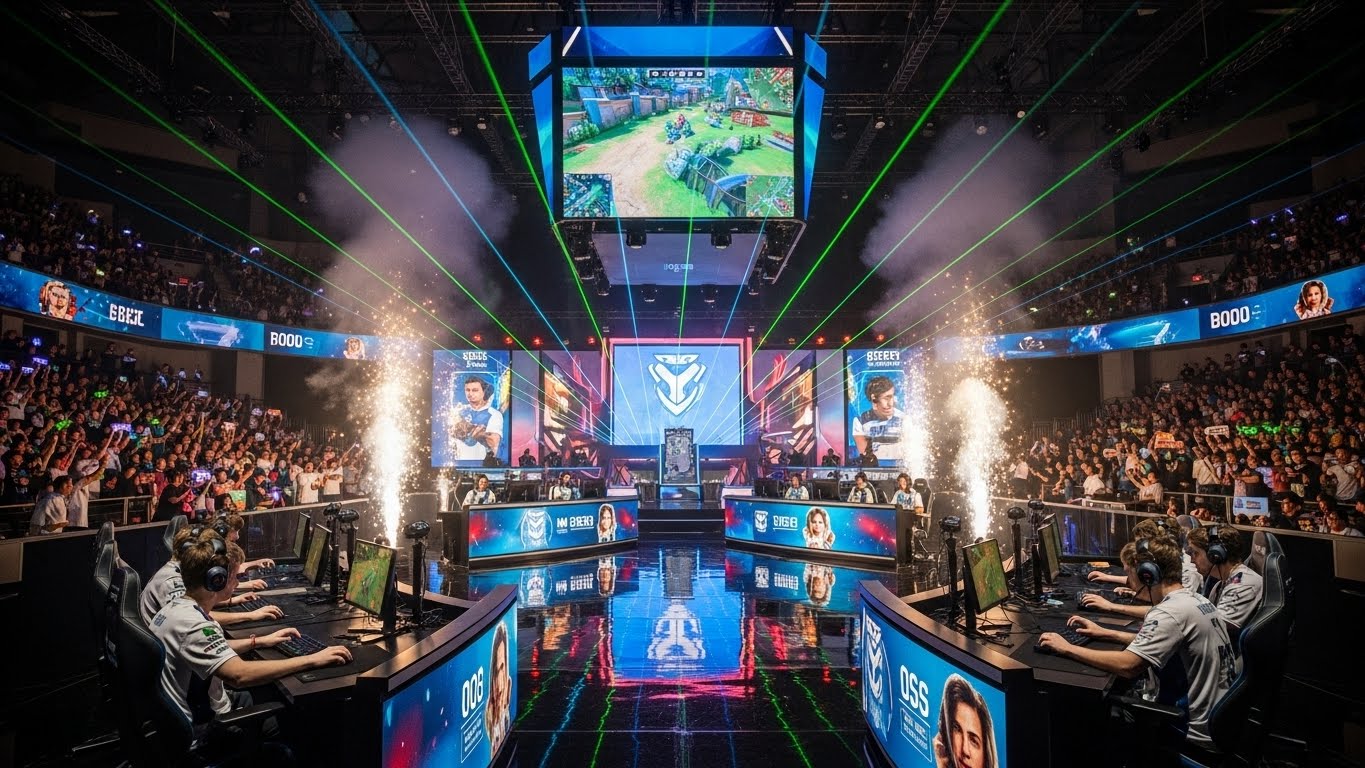
The 2010s brought another monumental shift with the rise of streaming platforms. Services like Twitch and YouTube Gaming revolutionized how audiences consumed gaming content. Esports events were no longer limited to those who could attend in person; they could be watched live by millions around the world.
Streaming gave players and fans a direct connection, transforming esports into a community-driven ecosystem. It also provided a steady revenue stream for players who could build personal brands and engage with audiences daily. Games like League of Legends, Dota 2, and Overwatch took center stage, offering massive prize pools and international recognition.
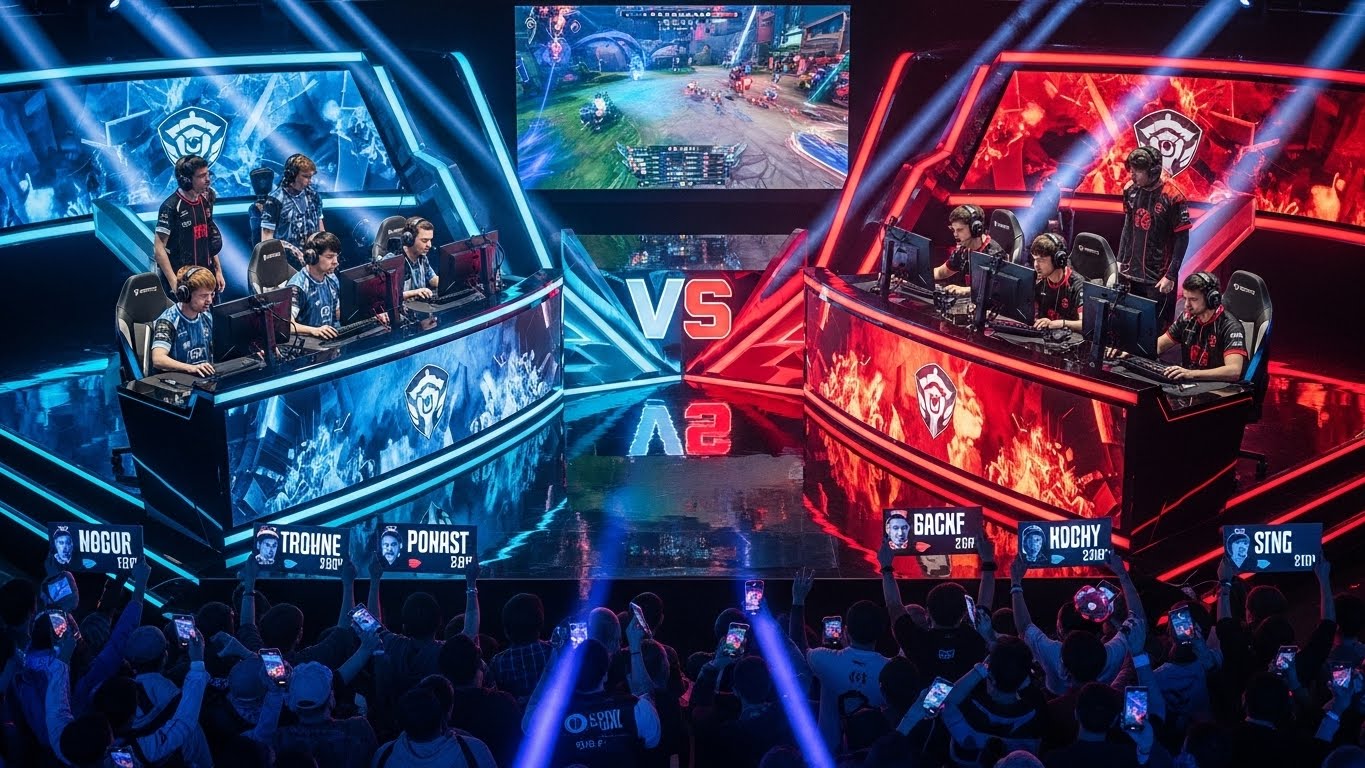
One of the most iconic moments in esports history came with The International, the annual Dota 2 world championship. Funded by community contributions, its prize pools often exceeded tens of millions of dollars, setting records in competitive gaming history. Similarly, League of Legends created a global franchise system that mirrored traditional sports leagues, complete with team ownership, regional divisions, and global championships.
The Professionalization of Esports
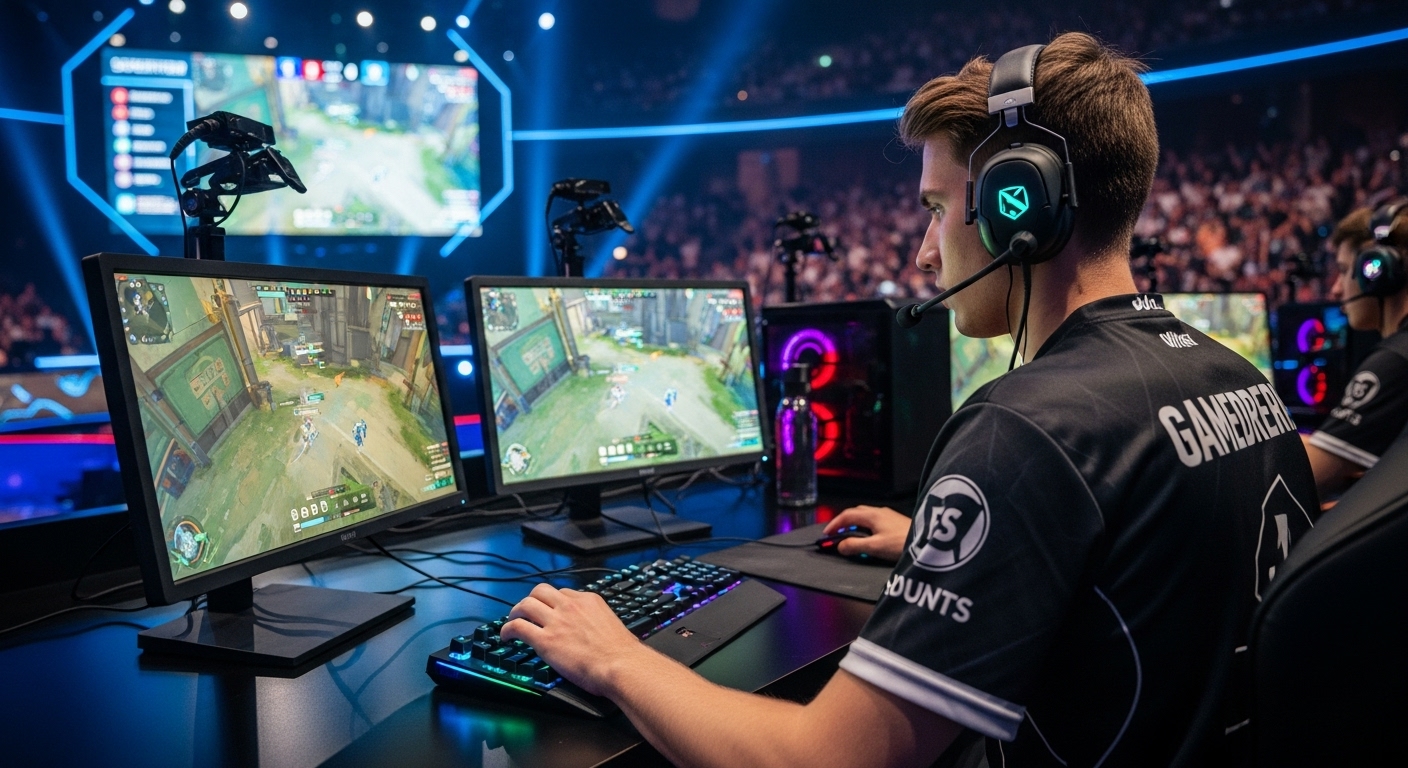
Today, esports operates much like traditional sports. Teams have coaches, analysts, nutritionists, and training schedules. Players sign contracts, receive salaries, and are sometimes traded between teams. Large organizations such as Team Liquid, Cloud9, and Fnatic have become household names in the gaming world.
The infrastructure surrounding esports has also expanded. Tournament organizers, production companies, marketing agencies, and even universities now play vital roles in supporting the ecosystem. Some universities offer esports scholarships, treating gaming as a legitimate athletic pursuit.
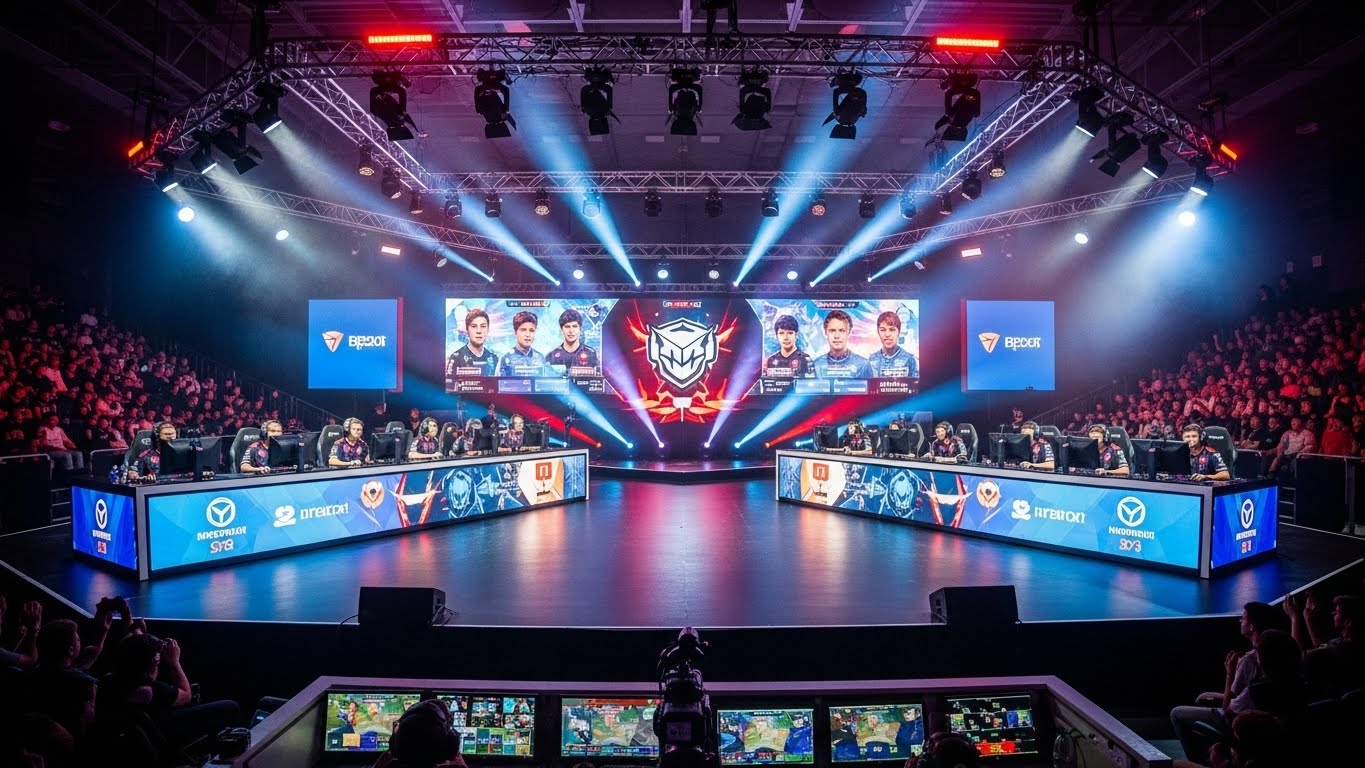
Major companies invest heavily in the esports industry, recognizing its potential to reach younger audiences. Brands that once focused on traditional sports now sponsor gaming tournaments and teams. Esports arenas have been built in major cities, and professional leagues like the Overwatch League and Call of Duty League operate with franchise systems similar to those of the NBA or NFL.
Esports and Global Culture
Esports has transcended cultural and geographical boundaries. It brings together players and fans from every corner of the world, united by their love for gaming. Unlike traditional sports that may require specific physical abilities, esports offers inclusivity—anyone with a computer or console and dedication can aspire to compete.
Countries like South Korea, China, and the United States lead the esports industry, but regions such as Europe, Southeast Asia, and Latin America have rapidly caught up. International competitions showcase diverse talent, making esports one of the most globally connected sports in history.
Esports also influences pop culture. Game characters, team logos, and players become cultural icons. Music, fashion, and even television integrate esports themes. For instance, popular musicians collaborate with game developers, and major fashion brands design apparel inspired by gaming aesthetics. The crossover between gaming and mainstream culture highlights how deeply esports has embedded itself in modern life.
The Psychological and Social Impact of Esports
Beyond entertainment, esports carries psychological and social significance. For many, gaming serves as a form of stress relief, creative expression, and community engagement. Players often develop teamwork, problem-solving, and strategic thinking skills. Competitive gaming encourages discipline, focus, and resilience—qualities found in traditional athletes as well.
However, like any competitive field, esports also brings challenges. The intense pressure to perform can lead to burnout, mental fatigue, and physical strain. Maintaining a healthy balance between training and well-being has become a central topic within the industry. Organizations now prioritize player mental health, employing psychologists and wellness coaches to support their athletes.
Socially, esports provides a platform for connection. Online communities allow people to form friendships, share experiences, and collaborate across distances. For individuals who may feel excluded from traditional sports, esports offers an inclusive environment where skill and passion matter most.
Economic Growth and Opportunities
The economic scale of esports is astounding. Revenue streams include sponsorships, advertising, ticket sales, merchandise, and media rights. The global esports market is projected to continue its upward trajectory, attracting both investors and mainstream media companies.
Job opportunities in esports extend far beyond professional players. Event management, broadcasting, marketing, coaching, and content creation all play integral roles. Esports journalism, game design, and analytics are growing sectors within this expanding industry.
Furthermore, esports contributes to technological innovation. Game developers continuously enhance graphics, network stability, and user experience to meet the demands of competitive gaming. This constant evolution drives advancements that benefit the broader tech ecosystem, from streaming infrastructure to virtual reality applications.
Education and Esports
In recent years, educational institutions have recognized the value of esports. Schools and universities now integrate gaming into their curricula, teaching subjects such as game development, digital marketing, and sports management through the lens of esports. Competitive gaming clubs foster teamwork and leadership among students.
Some universities offer scholarships to talented players, treating esports with the same prestige as traditional athletics. These initiatives not only validate esports as a legitimate career path but also prepare students for the growing digital economy.
Educational programs also promote responsible gaming. They emphasize time management, physical health, and ethical competition, ensuring that esports develops sustainably without compromising well-being or academic performance.
The Future of Esports
As technology continues to advance, the future of esports appears brighter than ever. The rise of virtual reality, augmented reality, and artificial intelligence will redefine how games are played and experienced. Spectators may soon participate in fully immersive digital arenas, blurring the line between players and audiences.
Mobile gaming is another frontier driving esports growth, especially in developing countries where smartphones are more accessible than PCs or consoles. Titles like PUBG Mobile and Mobile Legends have already demonstrated that competitive gaming is no longer confined to traditional platforms.
Esports also holds potential for integration with emerging technologies such as blockchain and digital collectibles. These innovations could revolutionize ownership, rewards, and player engagement. However, with growth comes responsibility. The industry must address issues such as fair competition, player welfare, and diversity to ensure a healthy and inclusive future.
Esports and Traditional Sports: A New Rivalry or Partnership?
One of the most intriguing discussions around esports revolves around its relationship with traditional sports. While some view esports as competition to traditional athletic events, others see it as a complementary evolution. Both share core principles: teamwork, strategy, skill, and dedication.
Traditional sports organizations have begun to embrace esports rather than resist it. Many football clubs, basketball teams, and even racing organizations have launched their own esports divisions. These collaborations bridge generations and create new opportunities for fan engagement.
Esports tournaments often mirror the structure of traditional sports leagues, offering seasons, playoffs, and championships. The distinction between digital and physical competition continues to blur, and it is likely that both will coexist as part of the future entertainment ecosystem.
Challenges Facing the Esports Industry
Despite its success, esports faces several challenges. Maintaining fair play remains a constant battle, with issues like cheating, match-fixing, and performance-enhancing software posing threats to integrity. Organizations and developers invest heavily in anti-cheat systems and regulations to protect credibility.
Another concern is the sustainability of careers. Esports players often have shorter professional lifespans compared to traditional athletes due to the physical and mental strain of constant competition. Developing post-career pathways through coaching, commentary, or management is crucial to long-term industry stability.
Diversity and inclusion also require ongoing attention. While esports is accessible globally, representation within teams, leadership, and production still has room for improvement. Encouraging inclusivity across genders, regions, and backgrounds will strengthen the industry’s cultural impact.
Conclusion: The Digital Arena of the Future
Esports has evolved from basement LAN parties to packed stadiums, from niche hobbies to mainstream entertainment, and from casual pastime to professional career. It embodies the spirit of competition in a modern digital age, bridging the gap between technology and human ambition.
As the boundaries between the virtual and physical worlds continue to blur, esports stands as a symbol of how digital innovation can redefine traditional concepts of sport, entertainment, and community. The industry’s growth is not merely a trend but a testament to the human desire to connect, compete, and create.
In the coming decades, esports will likely become an even more integral part of global culture. It will inspire new generations, transform economies, and reshape how we view sportsmanship and achievement. Whether you are a casual gamer, a dedicated fan, or a curious observer, one thing is certain—the era of esports has only just begun.