Introduction: The Rise of a Digital Arena
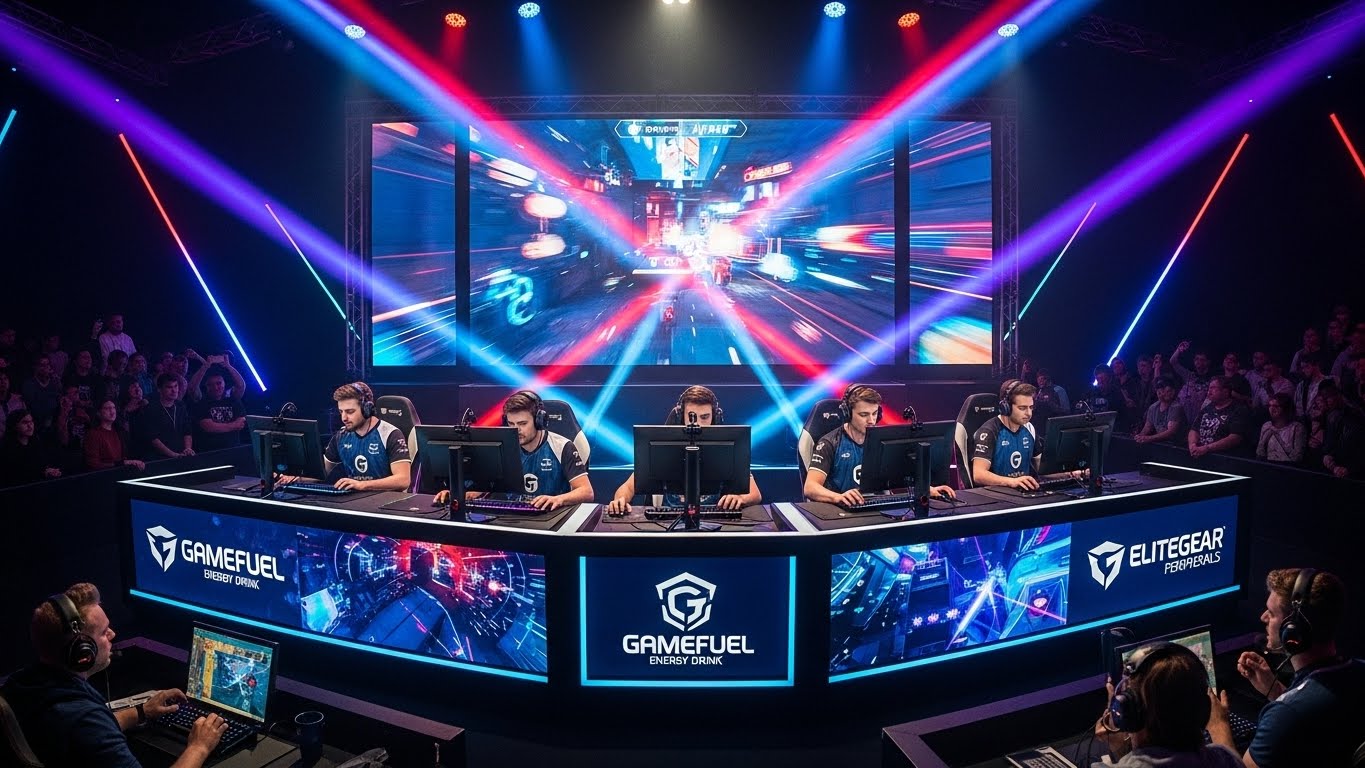
In the last decade, the world of competitive gaming has shifted from niche communities to a global phenomenon. Esports, short for electronic sports, refers to organized, multiplayer video game competitions, particularly between professional players. What was once considered a pastime for teenagers and hobbyists has now evolved into a multi-billion-dollar industry attracting millions of viewers, professional athletes, and sponsors worldwide. The digital arena has transformed into a stage where skill, strategy, and entertainment converge, redefining the boundaries of sports and gaming.
The Origins of Esports
The concept of competitive gaming is not entirely new. Its roots trace back to the 1970s when arcade tournaments began to attract attention. One of the earliest recorded competitions was the 1980 Space Invaders Championship in the United States, which drew thousands of participants. However, the modern form of esports began emerging in the late 1990s with the proliferation of online multiplayer games like StarCraft and Counter-Strike. These games laid the groundwork for professional gaming by emphasizing teamwork, strategy, and skill.
The 2000s marked a critical turning point. The launch of platforms that allowed gamers to connect globally accelerated the growth of competitive gaming. South Korea, in particular, became a hub for esports culture, with professional leagues and televised tournaments showcasing games like StarCraft: Brood War. This era highlighted the potential of esports to become more than a hobby—it could be a career, a spectacle, and a source of national pride.
Popular Esports Games
Esports encompasses a wide variety of games, each with its own fanbase and competitive scene. Multiplayer online battle arena (MOBA) games like League of Legends and Dota 2 have become iconic, attracting millions of viewers to annual tournaments offering multi-million-dollar prize pools. First-person shooters (FPS) such as Counter-Strike: Global Offensive and Call of Duty challenge players’ reflexes, precision, and teamwork. Additionally, battle royale games like Fortnite and Apex Legends have introduced a new generation to esports, combining fast-paced action with creative strategies.
Sports simulations like FIFA and NBA 2K have also carved a niche, bridging the gap between traditional sports fans and gaming enthusiasts. Card games such as Hearthstone and digital fighting games like Street Fighter demonstrate the diversity of esports, appealing to players with different interests and skill sets. Each game creates a unique ecosystem, complete with professional teams, dedicated coaches, and passionate communities.
Professional Players: Athletes of the Digital Era
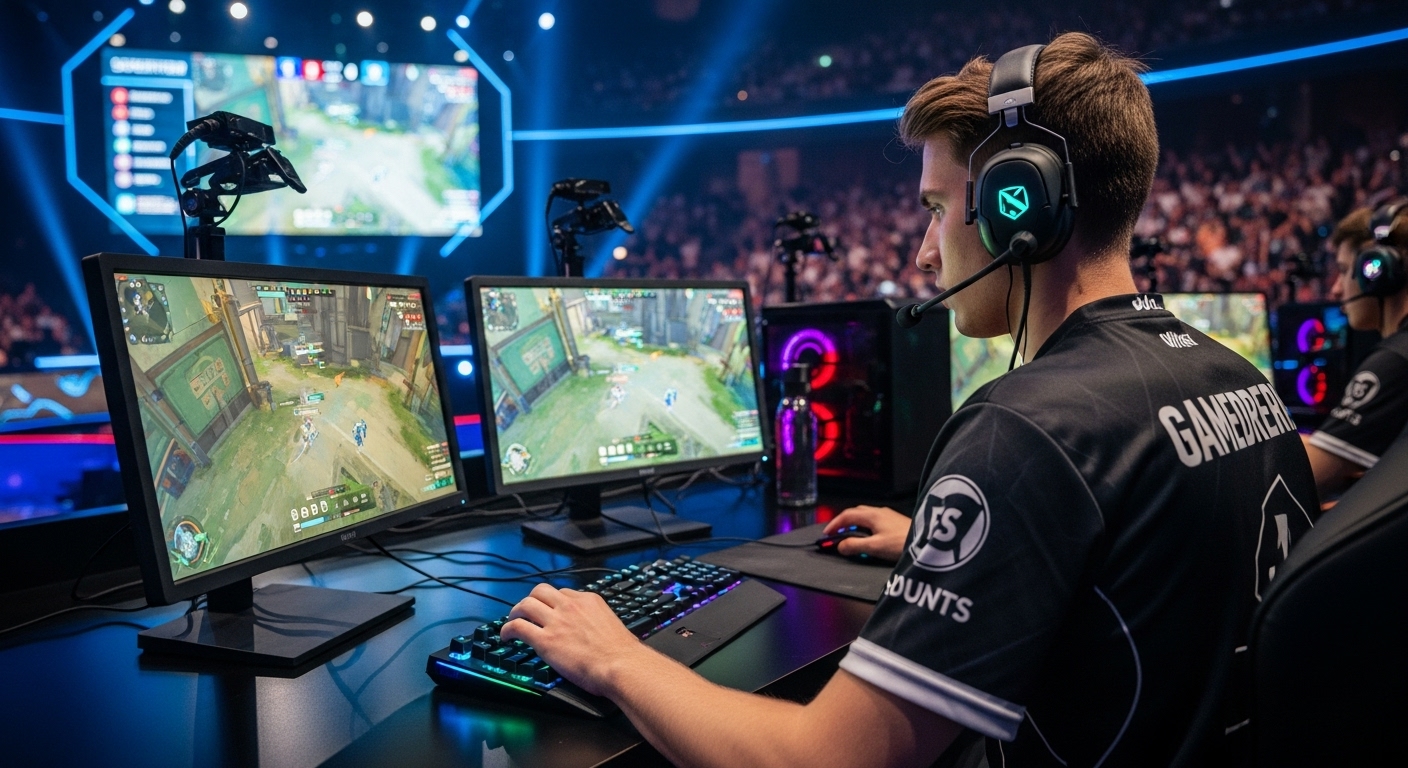
Professional esports players are the driving force behind the industry. These individuals dedicate countless hours to refining their skills, analyzing opponents, and strategizing for tournaments. Contrary to common misconceptions, becoming a professional gamer requires discipline, teamwork, and mental resilience comparable to traditional sports athletes. Training routines often include reviewing gameplay footage, practicing mechanical skills, and maintaining physical fitness to endure long hours of competition.
Esports athletes are increasingly recognized for their achievements, with top players earning substantial salaries, sponsorships, and worldwide fame. Organizations like T1, Cloud9, and Fnatic have established professional teams across multiple games, providing players with resources, coaching, and infrastructure to compete at the highest level. The dedication and professionalism of these athletes have helped legitimize esports as a serious career path.
The Role of Streaming and Content Creation
The growth of esports is intertwined with the rise of streaming platforms. Websites like Twitch, YouTube Gaming, and Facebook Gaming allow players to broadcast their gameplay to global audiences in real time. This accessibility has democratized esports, enabling anyone with an internet connection to watch high-level competition, learn strategies, and engage with their favorite players.
Streaming has also created opportunities beyond competitive play. Content creators produce tutorials, highlight reels, and commentary, turning casual gaming into a form of entertainment. The connection between players and fans fosters a sense of community, making esports a social as well as competitive experience. Popular streamers often influence the success of games and tournaments, bridging the gap between professional esports and mainstream audiences.
Esports Tournaments: Spectacle and Strategy
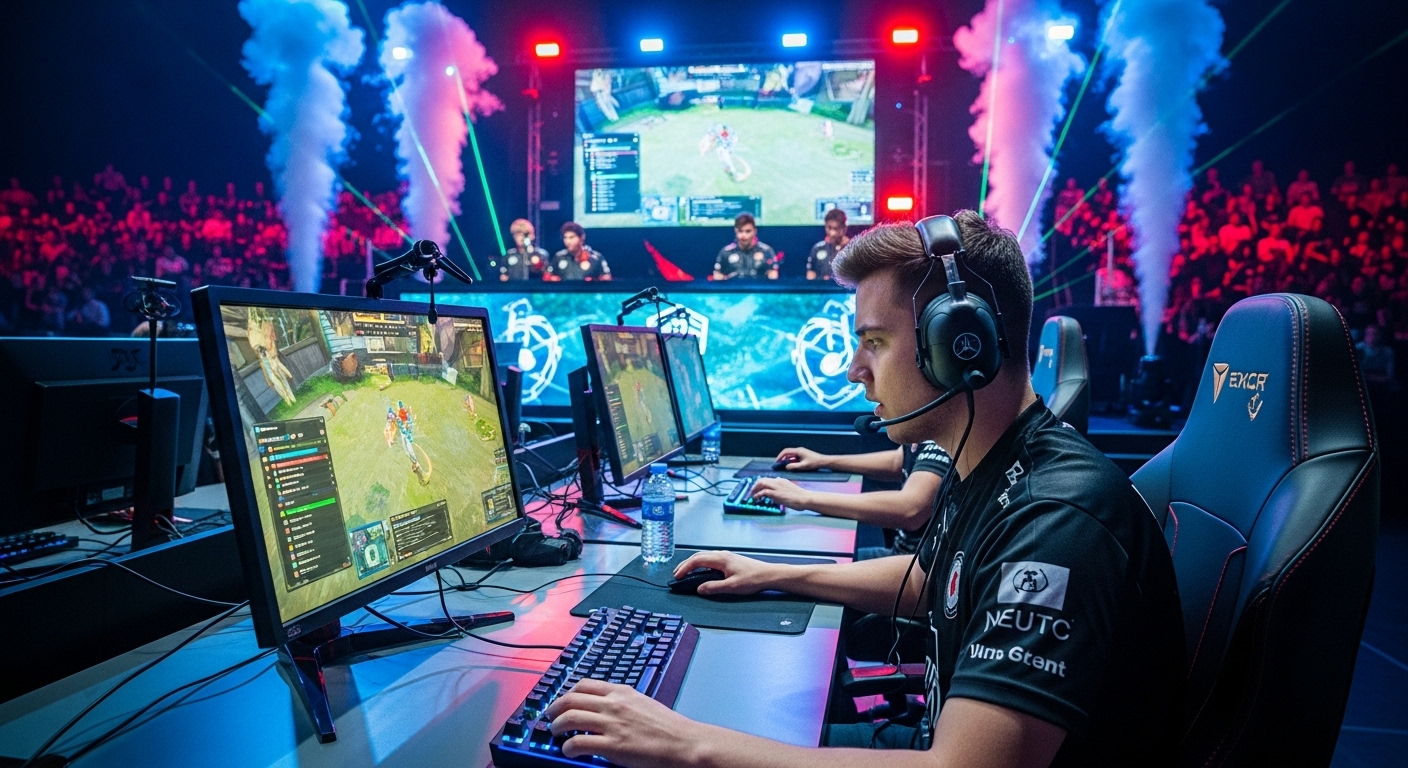
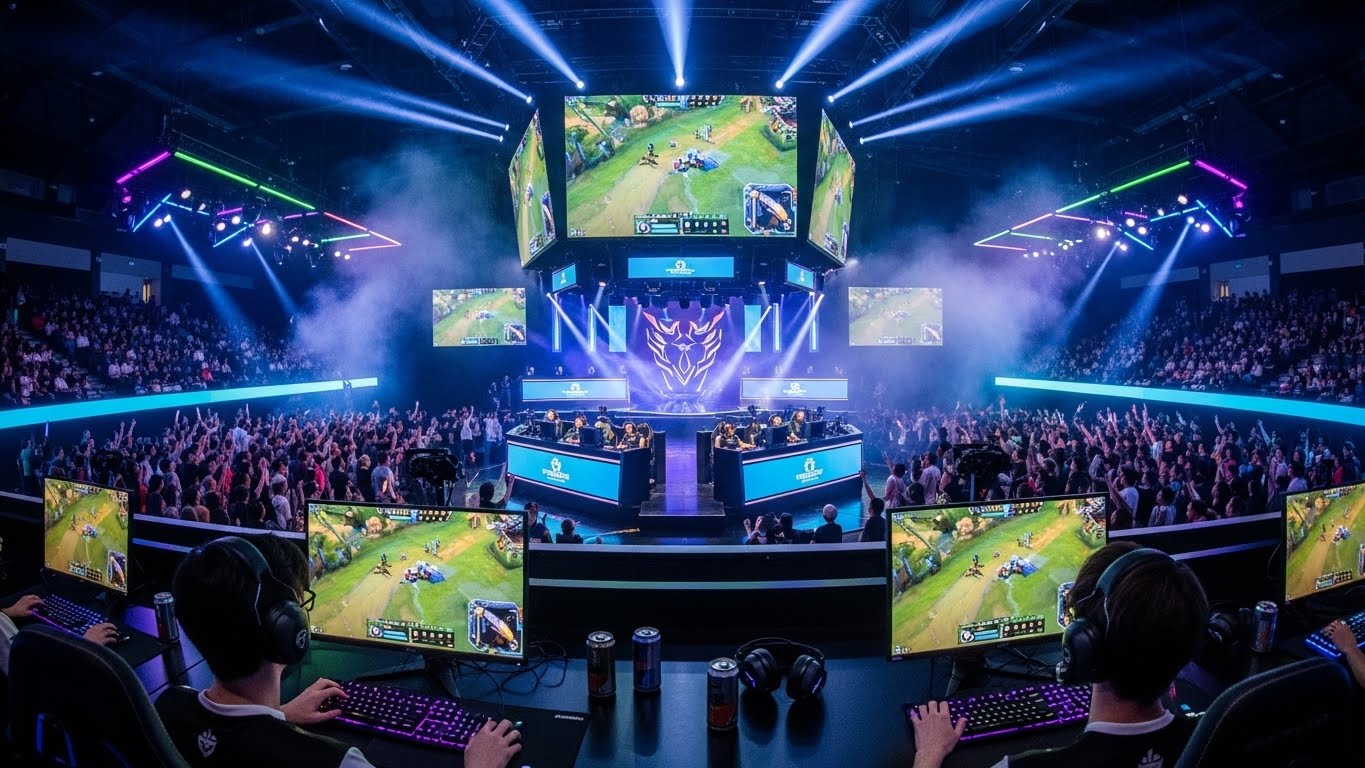
Esports tournaments are the lifeblood of the industry, showcasing skill, strategy, and entertainment. Events like The International for Dota 2, the League of Legends World Championship, and EVO for fighting games draw massive audiences both online and offline. These tournaments are meticulously organized, with elaborate stages, live commentary, and interactive experiences for fans.
Prize pools have reached unprecedented levels, with multi-million-dollar rewards reflecting the industry’s financial growth. Sponsorships from global brands, media coverage, and merchandise sales further elevate the visibility of esports events. Beyond the monetary aspect, these tournaments serve as a platform for cultural exchange, bringing together players and fans from diverse backgrounds to celebrate competition and gaming.
The Economic Impact of Esports
Esports is no longer just entertainment; it is a thriving economic sector. Revenue streams include tournament winnings, sponsorship deals, advertising, merchandise, and media rights. According to industry reports, the global esports market has surpassed several billion dollars annually, with projections indicating continued growth in the coming years.
Major brands outside the gaming industry, such as Coca-Cola, Nike, and Intel, invest heavily in esports sponsorships, recognizing the potential to engage younger, tech-savvy audiences. Cities and countries also invest in esports infrastructure, hosting events that boost tourism and create jobs in areas like event management, marketing, and broadcasting. The economic influence of esports underscores its legitimacy as a modern industry with far-reaching effects.
Mental and Physical Challenges
While esports offers numerous opportunities, it is not without challenges. Professional gamers often face intense pressure to perform, leading to mental health concerns such as stress, anxiety, and burnout. The highly competitive nature of esports can create a demanding lifestyle, with long hours of practice and constant scrutiny from fans and media.
Physical health is also a consideration. Extended screen time, poor posture, and repetitive movements can lead to conditions like carpal tunnel syndrome, eye strain, and musculoskeletal issues. Many organizations now emphasize holistic player care, incorporating mental health support, physical training, and balanced schedules to ensure the well-being of their athletes. This approach highlights the evolving understanding of esports as a demanding yet rewarding profession.
Esports and Education
Esports has begun making its way into educational institutions, offering students opportunities to develop skills, earn scholarships, and engage in competitive gaming. Universities around the world now have esports programs and teams, providing academic support, coaching, and access to professional-grade facilities.
These programs teach not only gaming skills but also teamwork, leadership, communication, and strategic thinking. Esports in education bridges the gap between entertainment and skill development, preparing students for potential careers in gaming, technology, and related industries. This integration also challenges stereotypes, demonstrating that gaming can be a productive and enriching pursuit.
The Future of Esports
The future of esports appears limitless, fueled by technological advancements and cultural acceptance. Virtual reality (VR) and augmented reality (AR) have the potential to revolutionize competitive gaming, offering immersive experiences for players and spectators alike. Cloud gaming could further democratize access, enabling high-level competition without expensive hardware.
Global expansion continues, with emerging markets in Asia, South America, and Africa contributing to the diversity and growth of the industry. Esports may also integrate further with mainstream sports and entertainment, blending traditional athletics, music, and media into hybrid experiences that captivate audiences worldwide. The potential for innovation ensures that esports will remain at the forefront of digital culture for years to come.
Conclusion: Esports as a Cultural Phenomenon
Esports has evolved from simple arcade competitions to a complex global industry encompassing entertainment, economy, education, and culture. It challenges traditional notions of sports and competition while creating new opportunities for athletes, creators, and fans. The growth of esports reflects broader societal trends, including digital connectivity, technological innovation, and the rise of participatory media.
As esports continues to expand, it will shape how we perceive competition, entertainment, and collaboration in the digital age. Beyond the screen, esports is not merely a pastime—it is a cultural phenomenon, a professional arena, and a testament to the creativity, skill, and passion of a generation raised in the digital world.