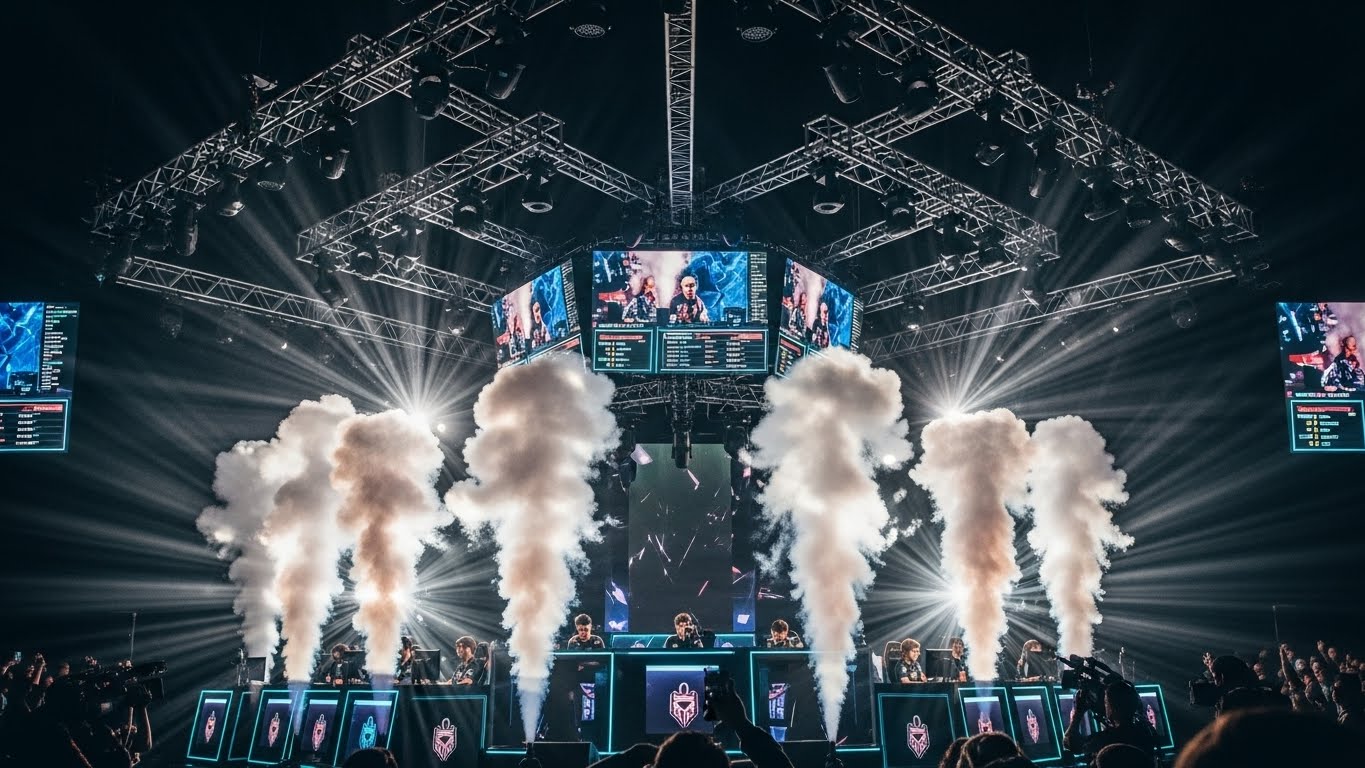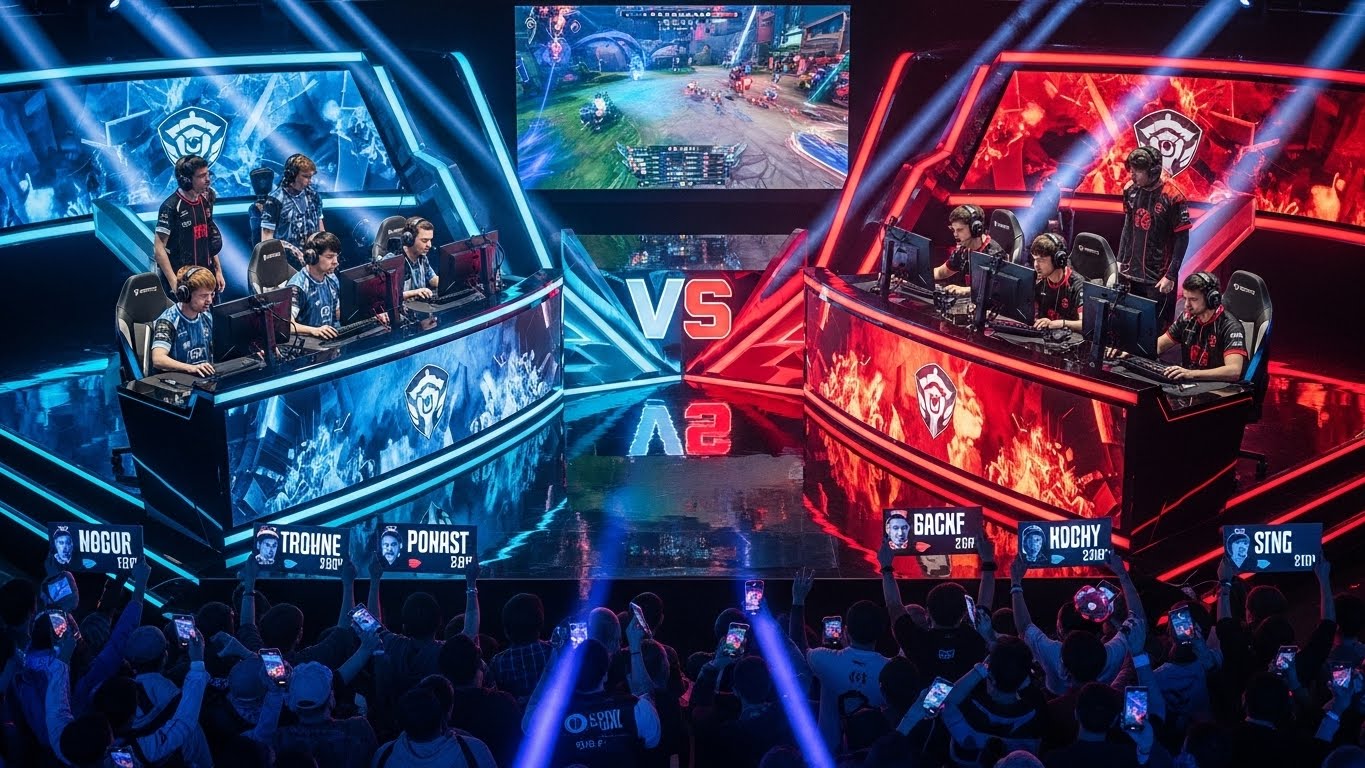
In the last decade, esports has transformed from a niche hobby into a global phenomenon. What was once considered a pastime for teenagers in basements has now become a professional, multi-billion-dollar industry with international tournaments, millions of viewers, and professional players earning significant incomes. Esports, short for electronic sports, is competitive video gaming at its finest. It encompasses a variety of game genres, platforms, and competitive formats. Beyond entertainment, esports is redefining what it means to compete, engage, and connect in the digital age.
The Evolution of Esports: From Arcades to Global Stages
The history of esports can be traced back to the 1970s when the first video game competitions emerged. Early contests, such as high-score competitions for games like Space Invaders, attracted small crowds of enthusiasts. In the 1980s and 1990s, arcade tournaments and local LAN parties became more popular, especially with games like Street Fighter, Mortal Kombat, and Quake.
The real turning point came with the rise of online gaming in the late 1990s and early 2000s. Titles such as StarCraft, Counter-Strike, and Warcraft III allowed players from different countries to compete virtually, creating a global community. By the mid-2000s, professional leagues, live-streaming platforms, and organized tournaments began to solidify esports as an industry. Today, esports events rival traditional sports in viewership, fan engagement, and prize money, demonstrating the rapid evolution of competitive gaming.
Popular Esports Genres and Games
Esports is not limited to a single type of game. The industry spans multiple genres, each with its own competitive structure and dedicated fanbase. Multiplayer Online Battle Arenas (MOBAs), such as League of Legends and Dota 2, focus on team strategy, coordination, and map control. First-Person Shooters (FPS), including Counter-Strike: Global Offensive and Valorant, test reflexes, accuracy, and split-second decision-making.
Fighting games like Street Fighter and Super Smash Bros emphasize timing, skill, and mental calculation. Sports simulation games such as FIFA and NBA 2K offer a digital twist on traditional athletic competition. Battle Royale games like Fortnite and PUBG combine strategy, survival skills, and adaptability. Each genre attracts distinct audiences while contributing to the overall growth and diversity of esports.
Physical and Mental Skills Required in Esports
Contrary to the stereotype of esports players as inactive gamers, competitive gaming demands a combination of physical precision and mental resilience. Hand-eye coordination, reflexes, and fine motor control are essential for high-level play. Players often undergo rigorous practice routines, refining their reactions, aiming skills, and movement mechanics to compete at the top level.
Mental agility is equally important. Esports players must make rapid decisions, anticipate opponents’ strategies, and maintain focus during long sessions. Stress management, adaptability, and resilience are crucial for sustaining performance under pressure. Professional players often train not just in-game but also engage in physical fitness and cognitive exercises to maintain peak performance.
The Role of Technology in Esports
Technology has been a driving force behind the growth of esports. High-performance gaming computers, fast internet connections, and advanced peripherals enhance both player performance and spectator experience. Streaming platforms have made esports accessible to millions worldwide, providing live broadcasts, commentary, and interactive fan engagement.
Data analytics, AI-based coaching tools, and performance tracking software are increasingly used by professional teams to analyze gameplay, optimize strategies, and gain competitive advantages. Virtual reality, augmented reality, and cloud gaming are poised to create more immersive esports experiences, bridging the gap between player skill and spectator engagement.
Economic Impact of Esports
Esports has grown into a multi-billion-dollar industry. Prize money for major tournaments often exceeds millions of dollars, while sponsorships from technology brands, lifestyle products, and media companies contribute significantly to revenue. Professional esports teams operate like traditional sports franchises, employing coaches, analysts, content creators, and marketing professionals to ensure success both on and off the virtual field.
Esports also drives growth in related industries, including hardware manufacturing, software development, and digital media. Live events attract tourism, hospitality, and entertainment revenue. The global reach of esports continues to expand, offering career opportunities and economic benefits to millions of people worldwide.
Esports and Social Connection
Esports fosters social interaction and community-building on an unprecedented scale. Online gaming platforms connect players across different continents, creating friendships and teamwork opportunities. Fans engage with players and teams through social media, live streams, and forums, creating a sense of belonging and shared identity.
Esports also has a unifying effect culturally. International competitions, such as the League of Legends World Championship, bring together players and fans from diverse backgrounds. This creates a global community united by passion, strategy, and competitive spirit, demonstrating that esports is more than just playing games—it is a shared human experience.
Careers in Esports
The professionalization of esports has opened diverse career pathways beyond playing competitively. Players, coaches, analysts, commentators, content creators, event organizers, and marketing professionals all contribute to the industry’s ecosystem. Specialized esports academies and training programs help young players refine skills, develop discipline, and pursue careers in competitive gaming.
While esports can be lucrative, it also comes with challenges. Intense training schedules, high-pressure environments, and the risk of burnout are common obstacles. Long-term career sustainability often requires a combination of skill, branding, and strategic planning. Despite these challenges, esports offers unprecedented opportunities for passionate individuals to turn their love of gaming into a profession.
Education and Esports
Many educational institutions have recognized the value of esports for personal and professional development. Schools and universities now offer esports programs and scholarships, integrating gaming into curricula and extracurricular activities. Participation in esports develops teamwork, strategic thinking, communication, leadership, and technical skills, all of which are transferable to other industries.
By offering structured programs and academic pathways, educational institutions are legitimizing esports as a viable career option. Students gain access to training, mentorship, and competitive opportunities, bridging the gap between passion and professional achievement.
Global Esports Tournaments
Esports tournaments have become major global events, attracting millions of viewers online and filling arenas with fans. Tournaments such as The International, Fortnite World Cup, and Overwatch League Grand Finals showcase high-level gameplay, strategy, and teamwork. These events create excitement, foster global fan engagement, and demonstrate the competitive intensity of esports.
Tournaments also provide economic, cultural, and social benefits. They stimulate local economies, promote tourism, and offer a platform for cultural exchange. Fans experience shared excitement, celebrate victories, and bond over the collective experience of the competition.
Inclusivity and Diversity in Esports
Esports is uniquely inclusive compared to many traditional sports. Physical limitations, age, and gender are less restrictive, allowing a broader spectrum of players to participate. Women, differently-abled players, and individuals from underrepresented regions have opportunities to compete at professional levels, challenging stereotypes and promoting equality.
Diverse communities within esports encourage collaboration and cultural exchange. Teams often include players from different countries, backgrounds, and experiences, fostering mutual respect and understanding. As esports continues to grow, inclusivity and diversity will remain central to shaping a fair and vibrant competitive environment.
The Future of Esports
The future of esports is bright, with continued growth, innovation, and global influence. Emerging technologies like virtual reality, cloud-based gaming, and AI-driven coaching will enhance gameplay, training, and spectator experiences. Sustainability efforts will ensure environmentally responsible tournaments and ethical practices.
Esports is likely to continue integrating with mainstream media, traditional sports, and entertainment industries. Its influence will extend beyond gaming, shaping education, career opportunities, and global digital culture. Competitive gaming is not just a pastime—it is a defining feature of modern entertainment.
Conclusion: Esports as a Defining Force in Modern Entertainment
Esports has transcended its humble origins to become a global cultural and economic phenomenon. It requires skill, strategy, and dedication, challenging traditional notions of competition. Beyond the digital arena, esports fosters social connection, personal growth, and professional opportunity.
The rise of esports demonstrates how technology and passion can reshape culture and redefine entertainment. From local competitions to international tournaments, esports inspires, engages, and unites millions worldwide. As the industry matures, it will continue to influence the future of gaming, media, and society, proving that competitive gaming is not just a pastime—it is a powerful, transformative force.