Introduction: Esports as a Modern Phenomenon
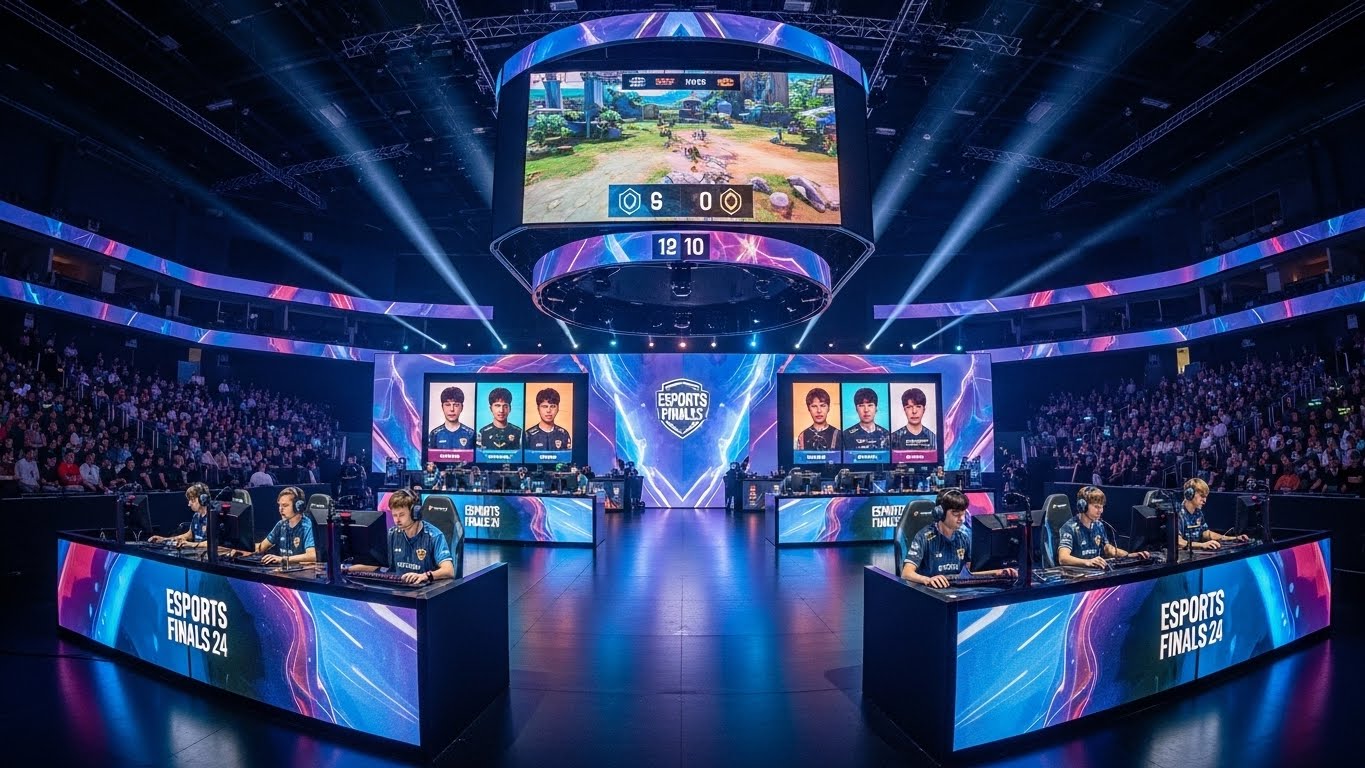
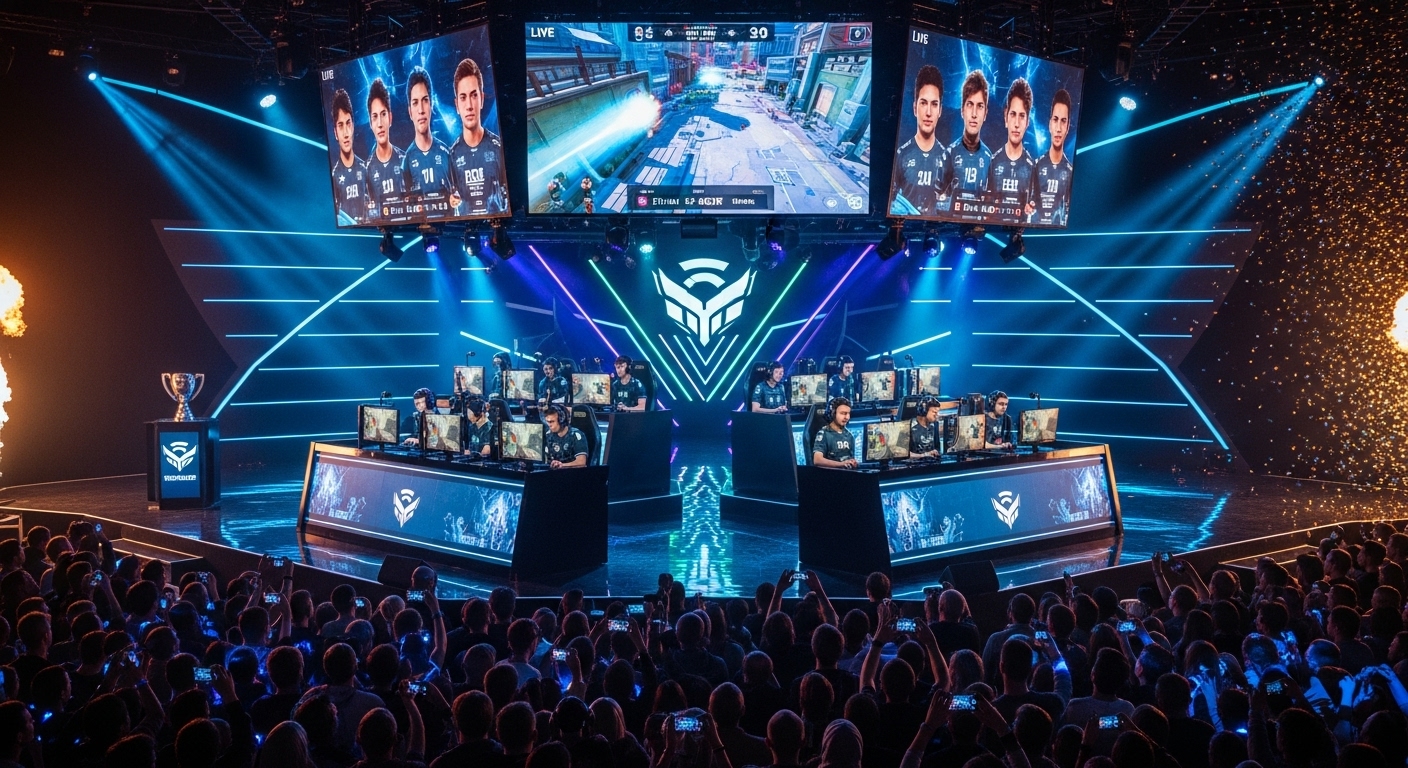
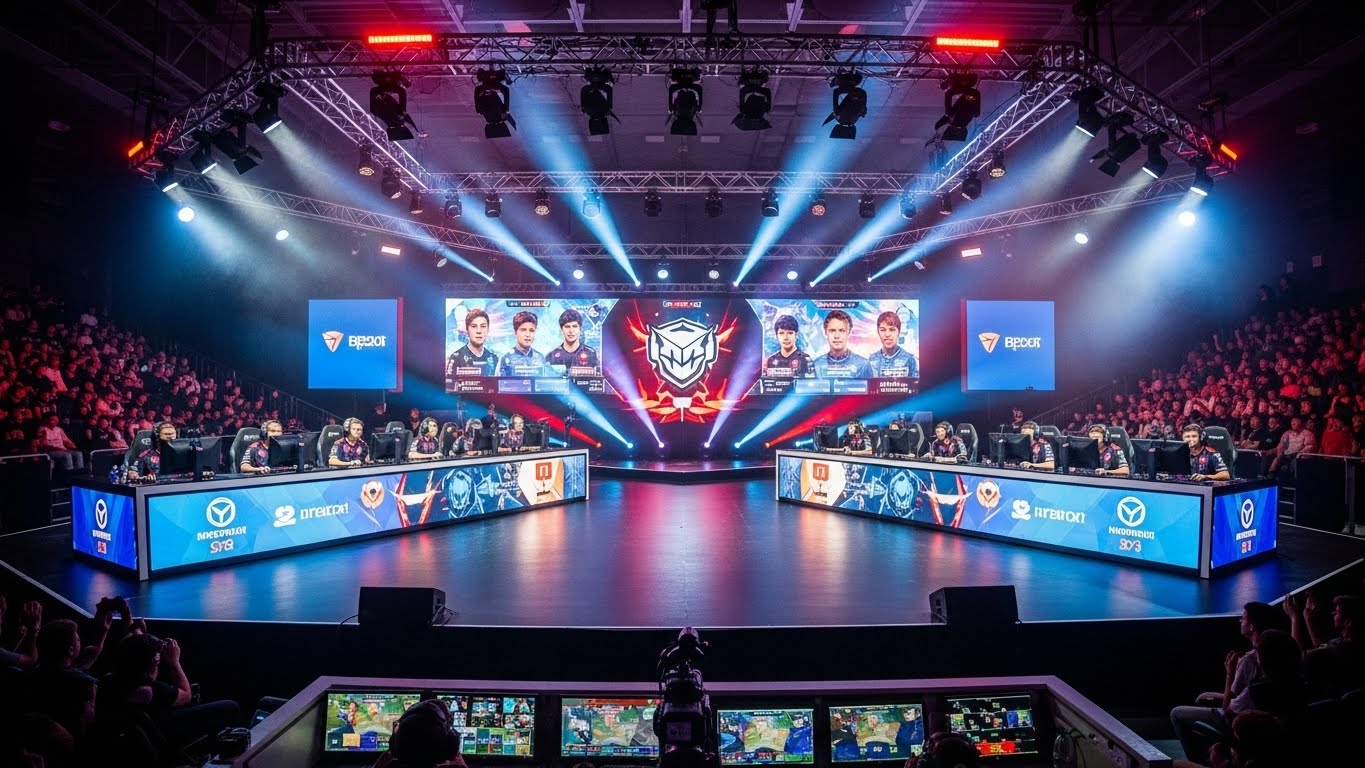
Esports, short for electronic sports, has transformed from a niche hobby into a global phenomenon. What was once considered casual gaming has evolved into an organized, competitive industry with professional athletes, sponsorships, and massive audiences. Today, esports represents a convergence of technology, entertainment, and culture, offering opportunities and experiences comparable to traditional sports. This blog will explore the origins of esports, its growth, the professional ecosystem, cultural impact, and what the future holds for this rapidly expanding industry.
The Origins of Competitive Gaming
The concept of competitive gaming dates back decades. In the 1970s and 1980s, arcade competitions were popular, with players vying for the highest scores on machines like Space Invaders and Pac-Man. The 1990s introduced home consoles and personal computers, allowing gamers to compete from their own homes. Early competitions were often localized, but as the internet became more widespread, players could compete across cities and countries, laying the foundation for the global esports scene we know today.
Evolution into Organized Tournaments
As games evolved, so did the structure of competition. Developers began creating multiplayer games specifically designed for competitive play. Titles like StarCraft, Counter-Strike, and Warcraft pioneered organized tournaments with clear rules and prize pools. These tournaments grew in scale, attracting sponsors, live audiences, and media attention. Over time, esports became more professionalized, with teams, coaches, and management structures mirroring traditional sports.
The Rise of Professional Players
One of the most remarkable aspects of esports is the emergence of professional players. Top players dedicate hours daily to training, refining reaction times, strategizing, and studying opponents. Similar to traditional athletes, esports professionals follow rigorous routines and rely on coaching, analysis, and team coordination. Successful players often gain celebrity status, earning sponsorship deals, streaming revenue, and invitations to international competitions. This shift has transformed gaming from a casual hobby into a legitimate career path.
The Role of Streaming Platforms
Streaming has played a pivotal role in esports’ growth. Platforms allow fans to watch live tournaments, follow their favorite players, and interact with communities in real time. Streaming not only expands audiences but also provides opportunities for players to monetize their skills and personalities. Commentary and analysis further enhance the viewing experience, making esports accessible to audiences who may not play games themselves. This direct connection between fans and players has fueled the industry’s exponential growth.
Community and Fan Engagement
Esports is driven by its passionate fanbase. Unlike many traditional sports, esports fans are deeply engaged online, creating content, participating in discussions, and supporting their favorite teams and players. Communities thrive on forums, social media, and live event spaces, giving fans a sense of belonging and identity. This engagement goes beyond spectating; fans contribute to the growth and popularity of esports by sharing knowledge, organizing events, and celebrating the culture surrounding competitive gaming.
Global Reach and Diversity
One of esports’ defining characteristics is its global reach. Players from diverse countries compete on equal footing, united by shared platforms and gaming experiences. International tournaments showcase a variety of cultures and styles, promoting inclusivity and cross-cultural interaction. Unlike traditional sports that may dominate specific regions, esports transcends geographic boundaries, enabling fans and players from different parts of the world to interact seamlessly. This global presence has helped esports become a cultural phenomenon that bridges differences.
Skill Development Through Esports
Esports is not just entertainment; it also develops a range of valuable skills. Strategic thinking, communication, teamwork, and problem-solving are all essential for success in competitive gaming. Some educational institutions have even introduced esports programs, offering scholarships and structured training for students. These programs demonstrate that esports can foster cognitive and social skills, challenging outdated perceptions that gaming is merely a recreational activity without educational value.
Economic Impact of Esports
The economic footprint of esports has expanded rapidly in recent years. Revenue streams include sponsorship deals, advertising, merchandise, ticket sales, and media rights. Brands from outside the gaming industry have recognized esports as a way to reach younger audiences, fueling further investment. Esports organizations operate like traditional sports franchises, managing teams, organizing tournaments, and cultivating fan loyalty. This financial growth has elevated esports to a professional, sustainable industry with global significance.
Technological Advancements and Innovation
Technology has been a major driver of esports’ success. High-speed internet, advanced graphics, and improved gaming hardware have made competitive gaming more sophisticated and spectator-friendly. Innovations like virtual reality and augmented reality hold the potential to transform esports further, offering immersive experiences for players and audiences alike. Technology also enables analytics-driven training, allowing teams to study gameplay, track performance, and optimize strategies, similar to how traditional sports teams use data analytics.
Challenges in the Esports Industry
Despite its remarkable growth, esports faces challenges. Player burnout is a pressing concern due to intensive training schedules and high expectations. Issues related to fair play, cheating, and regulatory consistency across regions remain ongoing challenges. Additionally, diversity and inclusivity require continuous attention to ensure equitable opportunities for all players. Addressing these challenges is crucial for the long-term sustainability and credibility of the industry.
Esports and Traditional Sports: A Convergence
Esports and traditional sports are increasingly interconnected. Professional sports teams have entered esports by forming competitive teams or investing in leagues. Training methodologies, performance analytics, and sports psychology are now applied in esports, further professionalizing the industry. While esports does not require the same physical exertion as traditional sports, the dedication, teamwork, and competitive intensity are strikingly similar. This convergence highlights esports’ legitimacy as a form of modern athletic competition.
Educational and Career Opportunities
Beyond professional gameplay, esports has created a diverse range of career paths. Event management, marketing, commentary, game development, and content creation are just a few examples of roles within the ecosystem. Educational programs now incorporate esports to teach leadership, teamwork, media production, and technical skills. This expansion demonstrates that esports is not only a form of entertainment but also a viable industry capable of producing meaningful educational and career opportunities.
The Cultural Impact of Esports
Esports has influenced popular culture, fashion, and social interactions. Gaming terminology, icons, and memes have become part of everyday language. Cosplay, fan art, and live events contribute to a rich cultural landscape around esports. Moreover, esports promotes collaboration, strategic thinking, and innovation, values that extend beyond gaming into professional and social contexts. As a cultural force, esports reshapes how people connect, compete, and consume entertainment in the digital era.
The Future of Esports
The future of esports is bright and full of potential. Emerging technologies, growing investment, and expanding audiences indicate continued growth. Esports will likely integrate more immersive experiences, enhance interactivity for fans, and attract even greater mainstream recognition. Grassroots initiatives and youth programs will nurture the next generation of talent, ensuring the industry’s longevity. As esports continues to evolve, it is poised to redefine the boundaries of competition, entertainment, and digital culture.
Conclusion: Esports as a Global Movement
Esports represents more than just competitive gaming; it is a global movement that combines skill, strategy, and entertainment. From humble arcade beginnings to massive international tournaments, esports has grown into a professional and culturally significant industry. It has challenged traditional notions of sport, created career opportunities, and united communities worldwide. As technology and culture continue to evolve, esports will remain a dynamic and influential force, proving that digital competition can be just as thrilling and impactful as any traditional sport.