Introduction: The Evolution of Play into Professionalism
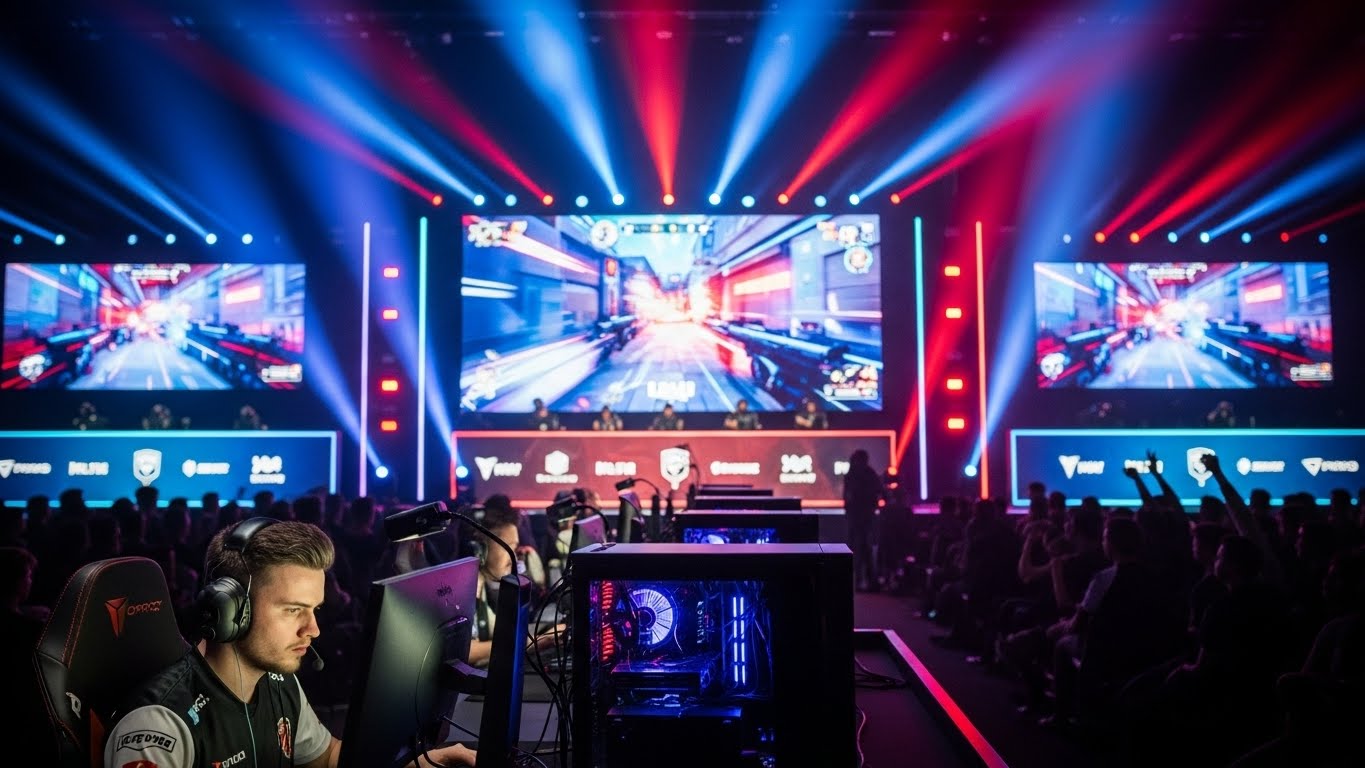
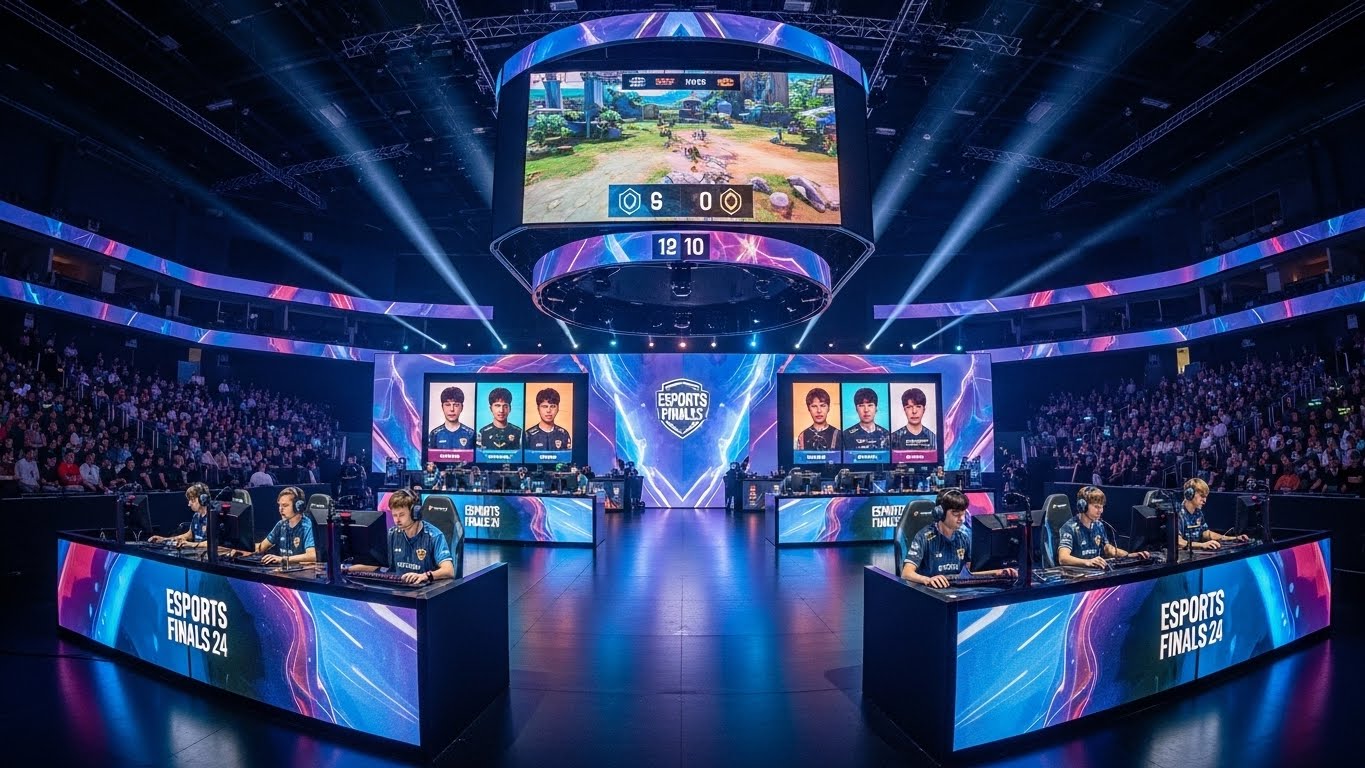
Esports, the world of competitive video gaming, has transformed from a hobbyist pastime into a cultural and economic powerhouse. Over the past decade, it has evolved into a global phenomenon with professional players, massive tournaments, passionate fanbases, and an industry framework that rivals traditional sports. What once was a niche interest confined to local LAN gatherings is now a billion-dollar global entertainment sector. In this blog, we explore how esports has risen to prominence, what fuels its rapid growth, and where this digital arena is headed in the future.
The Birth of Esports: From Arcade Rivalries to Global Competitions
The roots of esports can be traced back to the early days of arcade gaming, where high scores sparked friendly rivalries among players. Titles like Space Invaders and Pac-Man created a culture of competition that naturally evolved as technology advanced. The 1990s introduced multiplayer PC gaming and the first organized tournaments for games like Doom, Quake, and StarCraft. These events laid the foundation for what would eventually become modern esports.
Internet connectivity accelerated this evolution. Online multiplayer games allowed players to challenge opponents worldwide, paving the way for early competitive communities. By the early 2000s, tournaments such as the World Cyber Games and Major League Gaming formalized competitive gaming with circuits, standardized rules, and cash prizes. This era marked the transition from casual competition to structured esports.
The Rise of Streaming and Its Impact on Esports
A pivotal moment for esports came with the rise of live streaming. Platforms dedicated to gaming content allowed players, commentators, and organizations to broadcast matches to global audiences. For the first time, fans could easily watch their favorite players compete in real time, complete with commentary, analysis, and a sense of community.
Streaming not only amplified visibility but also democratized access. Anyone with a stable internet connection could become a viewer, a content creator, or even aspire to be a pro player. The influence of streaming personalities further expanded the reach of esports by blending entertainment with competition. This convergence of competitive play and on-demand media created the perfect environment for esports to explode in popularity.
Major Titles That Shaped the Esports Landscape
Several iconic games have shaped the esports ecosystem and propelled it to mainstream recognition. Each game brought unique mechanics, communities, and competitive structures that helped diversify the industry.
Multiplayer Online Battle Arena Games
Titles such as League of Legends and Dota 2 are among the largest contributors to the esports scene. Their complex gameplay, strategic depth, and team-based structure have made them staples of professional gaming. Massive annual tournaments have set records for viewership and prize pools, elevating players to celebrity status.
First-Person Shooters
Games like Counter-Strike, Overwatch, and Valorant have brought intense, fast-paced action to the forefront of competitive gaming. These titles feature team communication, accuracy, and tactical coordination, making them favorites for spectators who enjoy quick decision-making and strategic play.
Battle Royale and Mobile Games
The digital arena expanded further with the rise of battle royale games such as Fortnite and mobile titles like Mobile Legends and PUBG Mobile. These games introduced new competitive formats and broadened the global esports audience, especially in regions where mobile gaming dominates.
Each genre contributes to the vibrant diversity of esports, ensuring there is something for every type of player and fan.
Behind the Scenes: Teams, Coaches, and Organizational Growth
The professionalization of esports has brought significant structure behind the scenes. Esports organizations function similarly to traditional sports franchises. They recruit talent, secure sponsorships, provide resources, and build fan-centric brands.
Professional teams include not only skilled players but also coaches, analysts, nutritionists, and managers. Players undergo rigorous training schedules, consisting of strategic reviews, practice scrims, mechanical drills, and mental conditioning. This level of preparation demonstrates how far esports has come from the casual image some may still hold.
Organizations also participate in leagues and tournaments that mimic traditional sports structures. Seasonal play, playoffs, franchising models, and even home-and-away formats have integrated esports into mainstream competitive entertainment.
Esports Economics: A Billion-Dollar Digital Industry
The financial backbone of esports is multifaceted. Revenue streams include sponsorships, media rights, merchandise, ticket sales, in-game purchases, and tournament winnings. Global brands from technology, apparel, food, and automotive sectors have invested heavily in esports, drawn by its young and engaged audience.
Prize pools continue to reach staggering amounts. Large tournaments offer millions in winnings, which not only reward top players but also create headlines that further boost the industry’s visibility. Media rights deals with digital platforms and broadcasters generate additional revenue and solidify esports as a form of entertainment with staying power.
Furthermore, the rise of gaming cafes, esports lounges, and dedicated arenas has created physical spaces for competition, enhancing the industry’s global infrastructure.
The Community and Culture: Why Esports Resonates
The explosive growth of esports would not be possible without its vibrant community. Unlike traditional sports, esports communities are often built online, offering inclusivity and accessibility. Players and fans interact directly through chat, social platforms, and fan events, creating dynamic relationships between audiences and competitors.
Esports resonates especially deeply with younger generations who have grown up digitally connected. The blend of technology, entertainment, and social interaction makes esports a natural cultural fit. Many fans identify not only with the games they love but also with the values of strategy, determination, and creativity that esports represents.
Education and Career Opportunities Beyond Playing
Esports has created pathways for careers far beyond professional gameplay. Universities and colleges now offer esports scholarships, degree programs, and campus clubs. Courses in game design, esports management, production, and digital marketing support students interested in the broader gaming ecosystem.
Career opportunities include roles in coaching, event production, broadcasting, journalism, marketing, analytics, and community management. The growth of esports has diversified job prospects and legitimized gaming as a viable professional pursuit.
Challenges Facing the Esports Industry
Despite its success, esports faces challenges that must be addressed as the industry matures. Player burnout is a common issue due to intensive training schedules and the pressure of constant competition. Ensuring proper player welfare, mental health support, and balanced routines is crucial.
Regulation is another area of concern. With rapid growth comes the need for standardized rules, fair competition guidelines, and protections for players. Issues such as match fixing, doping, and contract disputes require strong governance.
Additionally, maintaining a sustainable ecosystem is essential. Not all esports titles thrive indefinitely, and some organizations face financial difficulties when trends shift. Balancing growth with stability will determine the long-term success of the industry.
The Future of Esports: A Global Stage Ready to Expand
The future of esports is incredibly promising. Advancements in technology, including virtual reality, augmented reality, and cloud gaming, may redefine how competitions are played and experienced. Improved internet infrastructure, especially in developing regions, will allow more people to participate both as players and fans.
Traditional sports and esports continue to merge, with professional athletes investing in teams and hybrid events becoming more common. Esports may even become a regular feature in international sporting events as recognition increases worldwide.
Ultimately, the future of esports lies in its ability to adapt, innovate, and remain community-driven. Its digital nature ensures that it will continue to thrive in an increasingly connected world.
Conclusion: The New Frontier of Competitive Entertainment
Esports has transformed from a niche hobby into a global entertainment empire. Its rise reflects the power of digital culture, the passion of gaming communities, and the limitless potential of technology. As professional leagues expand, new titles emerge, and audiences grow, esports stands at the forefront of modern entertainment. It represents not only competition but also creativity, connection, and the future of interactive media.
In many ways, esports is more than just gaming. It is a new frontier of competitive entertainment, redefining how the world plays, watches, and celebrates victory.