Introduction
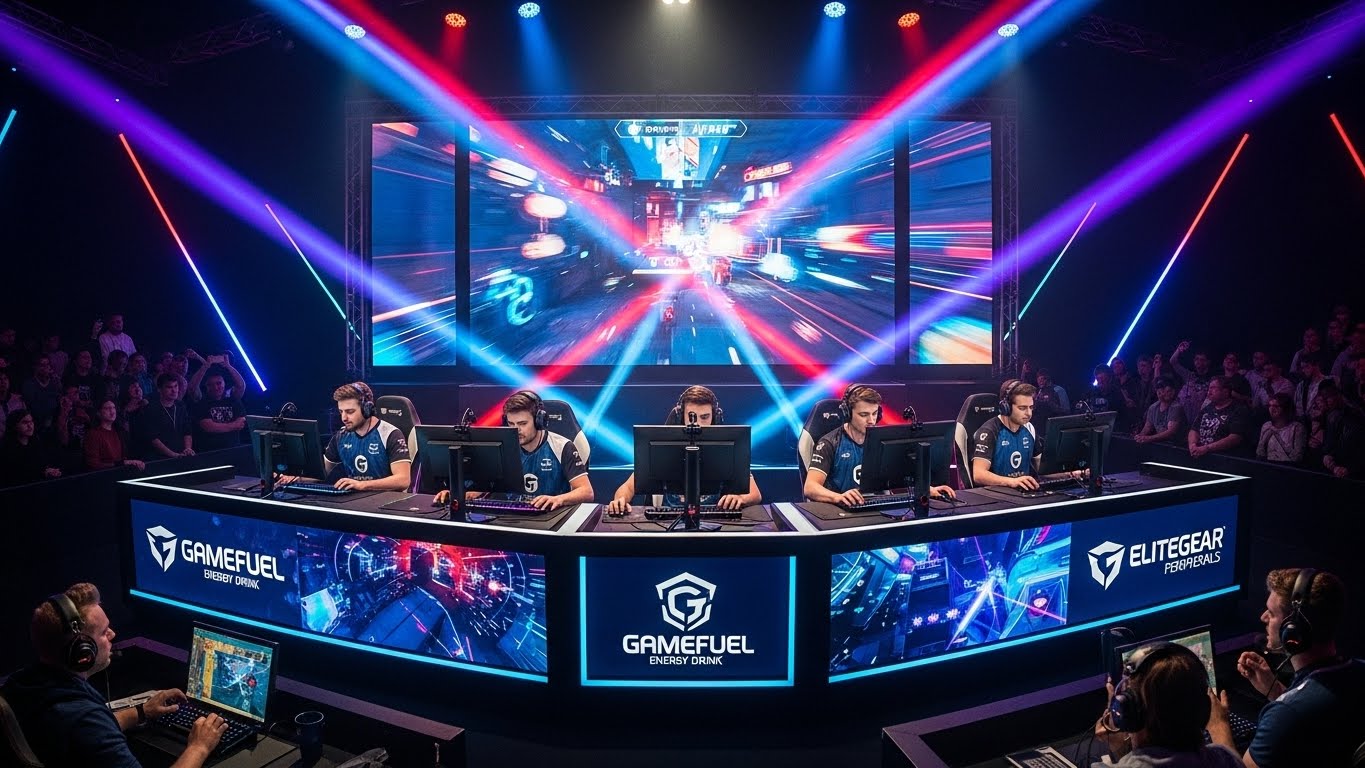
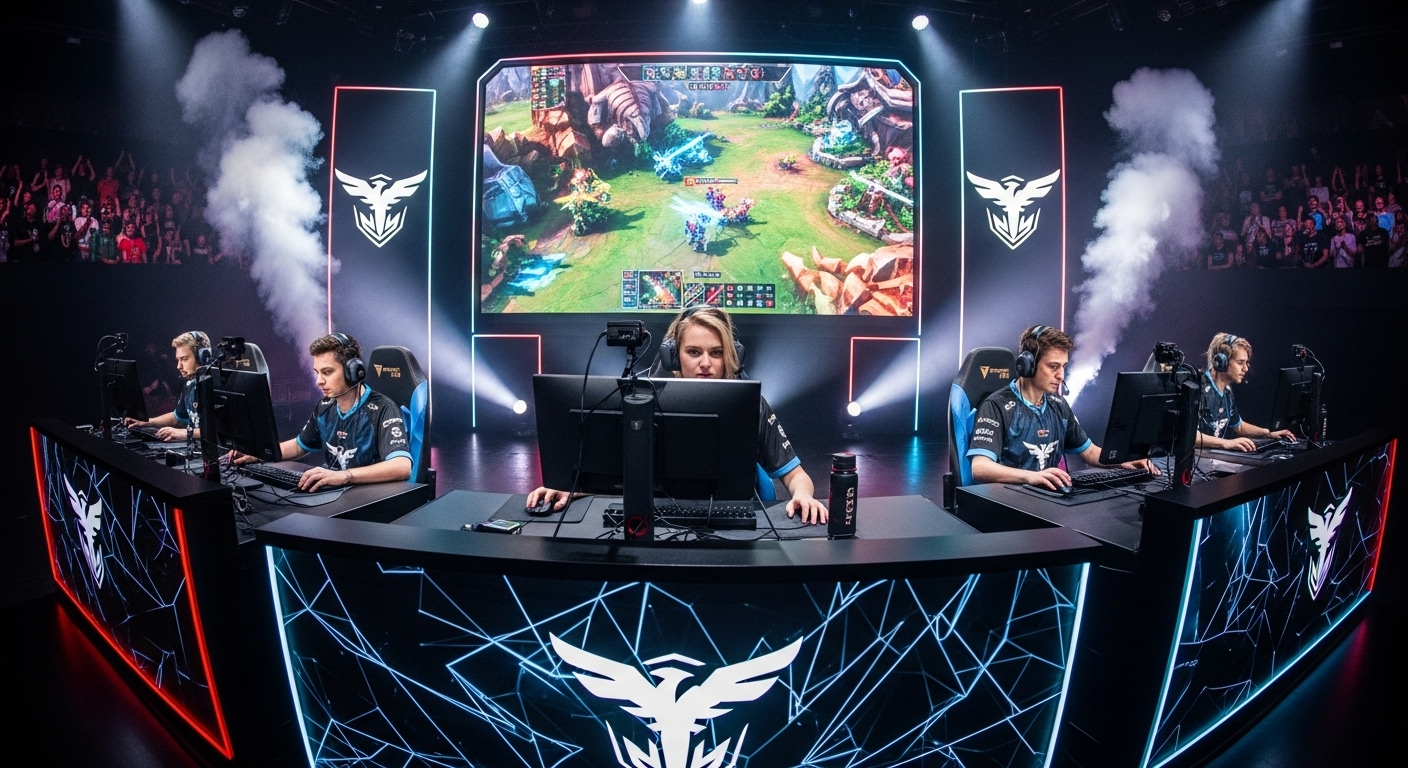
In recent years, esports has evolved from a niche activity enjoyed by a select group of gamers into a global entertainment powerhouse. What was once a pastime for hobbyists and enthusiasts has transformed into a multi-billion-dollar industry, attracting millions of fans, major sponsorships, and even mainstream media attention. Whether it’s the thrill of watching top-tier players in League of Legends, the intense battles in Dota 2, or the global reach of Fortnite, esports has become a significant cultural phenomenon. But how did esports go from a small community of passionate gamers to a global industry with its own leagues, teams, and massive events? In this blog post, we will explore the history of esports, its rise to prominence, and its ongoing impact on the world of entertainment and culture.
The Birth of Competitive Gaming
The origins of esports can be traced back to the late 20th century, when competitive gaming was first emerging as a concept. In the early days of video games, players could only compete locally or in small tournaments. The introduction of games like Space Invaders in the 1970s, and later titles like Doom and Quake, sparked the first inklings of competitive play. However, these early competitions were mainly informal and lacked the structure that would eventually define modern esports.
It wasn’t until the late 1990s that esports began to take shape as a formal competitive scene. One of the first notable tournaments was the Cyberathlete Professional League (CPL) in 1997, which focused on Quake. This tournament, along with the establishment of the World Cyber Games (WCG) in 2000, helped set the stage for the growth of esports. These early events were largely focused on first-person shooter games and paved the way for larger competitions in the coming decades.
While these tournaments were still small compared to today’s standards, they laid the groundwork for esports as a competitive pursuit. Players started to see the possibility of not just winning prizes, but also building careers within esports. In countries like South Korea, esports took off in a big way, and games like StarCraft became national sensations.
The Internet Era: Expanding the Reach of Esports
The real turning point for esports came with the rise of the internet in the early 2000s. As internet access became more widespread and broadband speeds increased, the ability for players to compete online transformed the landscape of competitive gaming. The introduction of massively multiplayer online games (MMOs) like World of Warcraft and the rise of competitive multiplayer games like Counter-Strike and Warcraft III helped spread esports globally.
South Korea was one of the first countries to embrace esports as a serious cultural phenomenon. With a highly developed internet infrastructure and a passion for gaming, South Korea quickly became the heart of the esports world. The Korean government even supported esports by creating professional leagues and providing infrastructure for gaming cafes. Players in South Korea became celebrities in their own right, and the StarCraft scene, in particular, drew large audiences, with matches being broadcast on national television.
At the same time, the rise of online gaming platforms and early streaming services like Twitch (launched in 2011) provided a platform for fans to watch live events and connect with players. No longer did fans need to attend tournaments in person; they could now watch their favorite players from the comfort of their own homes. This shift in accessibility helped esports grow from a niche hobby into a mainstream form of entertainment, with millions of fans tuning in to watch tournaments and matches.
The Professionalization of Esports: Teams, Leagues, and Global Competitions
As esports continued to grow, the scene became more structured, with professional teams, coaching staff, analysts, and even sports psychologists becoming integral to player success. Esports teams began to form and compete in an organized fashion, much like traditional sports teams. These teams were now made up of highly skilled players who practiced daily, strategized together, and worked with coaches to refine their skills.
One of the biggest milestones in the professionalization of esports was the creation of large-scale, franchised leagues, such as the League of Legends Championship Series (LCS) and the Overwatch League (OWL). These leagues brought structure and stability to the competitive gaming scene, offering players stable salaries, long-term contracts, and opportunities to compete in regular seasons. These leagues not only offered the chance for players to compete for lucrative prizes but also became a career path for many young gamers who aspired to turn their passion for gaming into a profession.
Alongside the creation of these leagues, major events such as The International for Dota 2 and *the League of Legends World Championship became iconic fixtures on the esports calendar. These events, with multi-million-dollar prize pools and millions of viewers worldwide, demonstrated just how far esports had come. What started as small, local competitions now had the scale and prestige to rival traditional sports tournaments, drawing in massive audiences both in-person and online.
Esports Fans: A Community Like No Other
One of the defining characteristics of esports is the passionate and loyal fan base that supports it. Esports fans are not just spectators; they are an integral part of the esports experience. They watch live streams of matches, interact with players and commentators on social media, and attend events in person to cheer on their favorite teams. Esports fans are deeply engaged, and their enthusiasm fuels the growth of the industry.
Unlike traditional sports, where fans typically support local or national teams, esports fans often follow individual players or teams from different countries. This global fan base has created a unique sense of community, where fans from different cultures and backgrounds come together to share their love for the games and players they admire.
Streaming platforms like Twitch and YouTube Gaming have been essential in fostering this sense of community. Fans can interact with players in real-time, ask questions, and even offer support through donations or subscriptions. This level of interaction has helped create a more intimate connection between players and their fans, turning esports into not just a sport but a form of digital entertainment where the audience is just as important as the players.
The sense of community in esports extends beyond just watching tournaments. Fans engage with their favorite teams and players through social media, create fan art, produce content like highlight videos, and even attend fan meetups and conventions. Esports has created a unique fan culture that is global, inclusive, and interactive.
The Business of Esports: Sponsorships, Revenue, and the Rise of Streaming
Esports has become a billion-dollar industry, driven by a variety of revenue streams. Sponsorships from major brands, such as Intel, Coca-Cola, and Mercedes-Benz, have played a significant role in supporting the esports ecosystem. Companies recognize the potential of reaching a young, tech-savvy, and highly engaged audience, and have invested heavily in sponsoring tournaments, teams, and players.
In addition to sponsorships, advertising revenue, media rights, ticket sales, and merchandise sales contribute to the growing financial power of esports. Tournaments like The International and the League of Legends World Championship attract millions of viewers, which in turn drives advertising revenue. Furthermore, the growth of streaming platforms has given esports a direct line to its audience, with fans able to watch tournaments live and engage with content creators. The monetization of streaming platforms like Twitch has given rise to a new generation of esports personalities, who not only compete but also build their own brands by live-streaming their gameplay and interacting with fans.
For players, sponsorships and streaming revenue have made esports a viable career. Many top-tier players make substantial amounts of money from sponsorships, merchandise sales, and streaming platforms. In fact, some esports players have earned millions in prize money alone. The growth of esports as a professional career has also led to the creation of esports academies, where aspiring players can receive training, coaching, and support to break into the professional scene.
The Future of Esports: Growth and Innovation
As esports continues to grow, it is expected to evolve in ways that we can only begin to imagine. One of the most exciting areas of development is the integration of new technologies, such as virtual reality (VR) and augmented reality (AR). These technologies have the potential to revolutionize the way esports is played and experienced. Imagine being able to watch a match from within the game, or using VR to compete in a fully immersive environment.
Esports is also likely to become even more integrated with traditional sports. Major sports leagues like the NFL and NBA have already invested in esports, recognizing the potential for cross-promotion and shared audiences. The Olympics have also shown interest in incorporating esports into their events, and it is possible that we will see esports featured alongside traditional sports in future global competitions.
Additionally, mobile gaming is set to become an even more important part of the esports landscape. Games like PUBG Mobile and Mobile Legends are already attracting large audiences, particularly in regions like Southeast Asia, where mobile devices are more accessible than high-end gaming PCs. As mobile gaming continues to improve in terms of graphics and gameplay mechanics, mobile esports will likely grow into a major force in the industry.
Conclusion
Esports has come a long way from its humble beginnings as a hobby for gamers to a global entertainment industry with millions of fans and billions of dollars in revenue. The rise of professional leagues, streaming platforms, and sponsorships has propelled esports to new heights, and it shows no signs of slowing down. As new technologies emerge and the industry continues to evolve, esports is poised to become an even more integral part of global entertainment. With its passionate fan base, dedicated players, and growing investment, esports has truly established itself as a force to be reckoned with in the entertainment world.