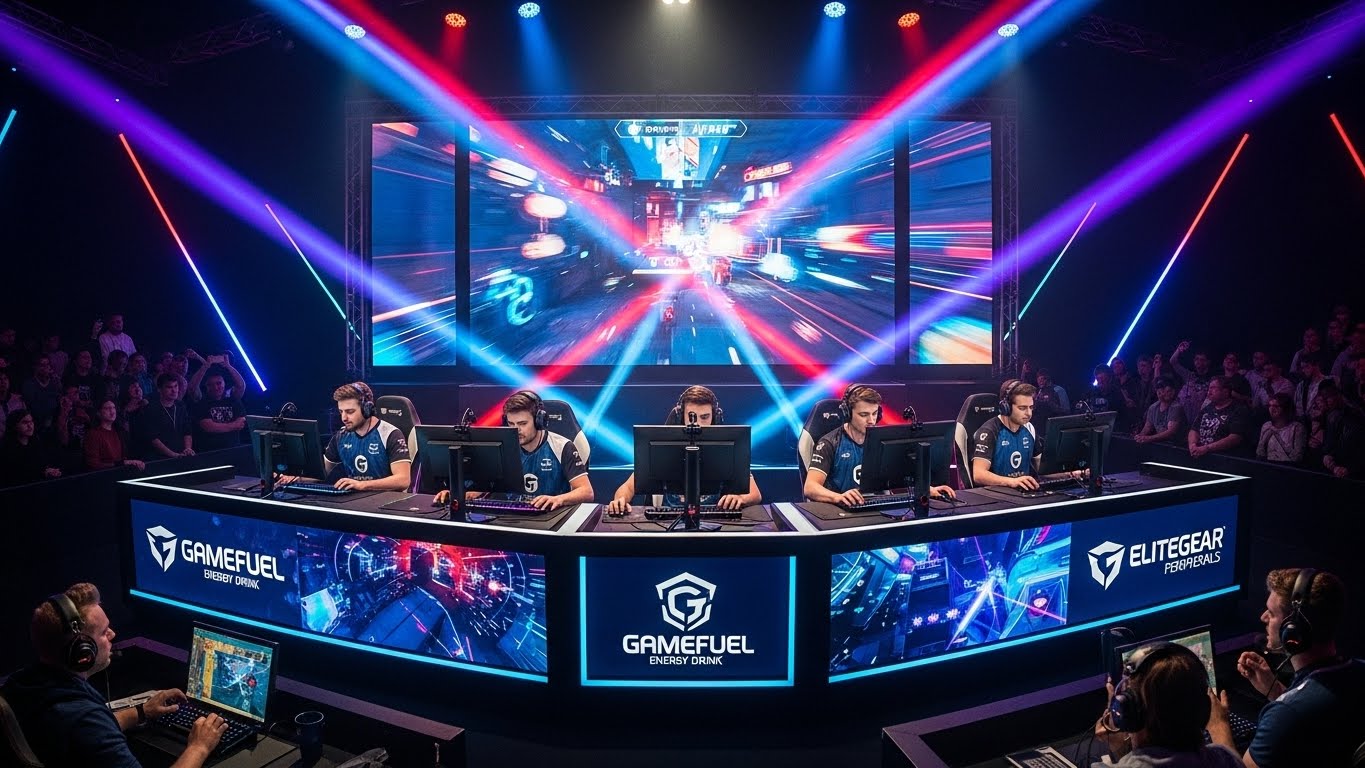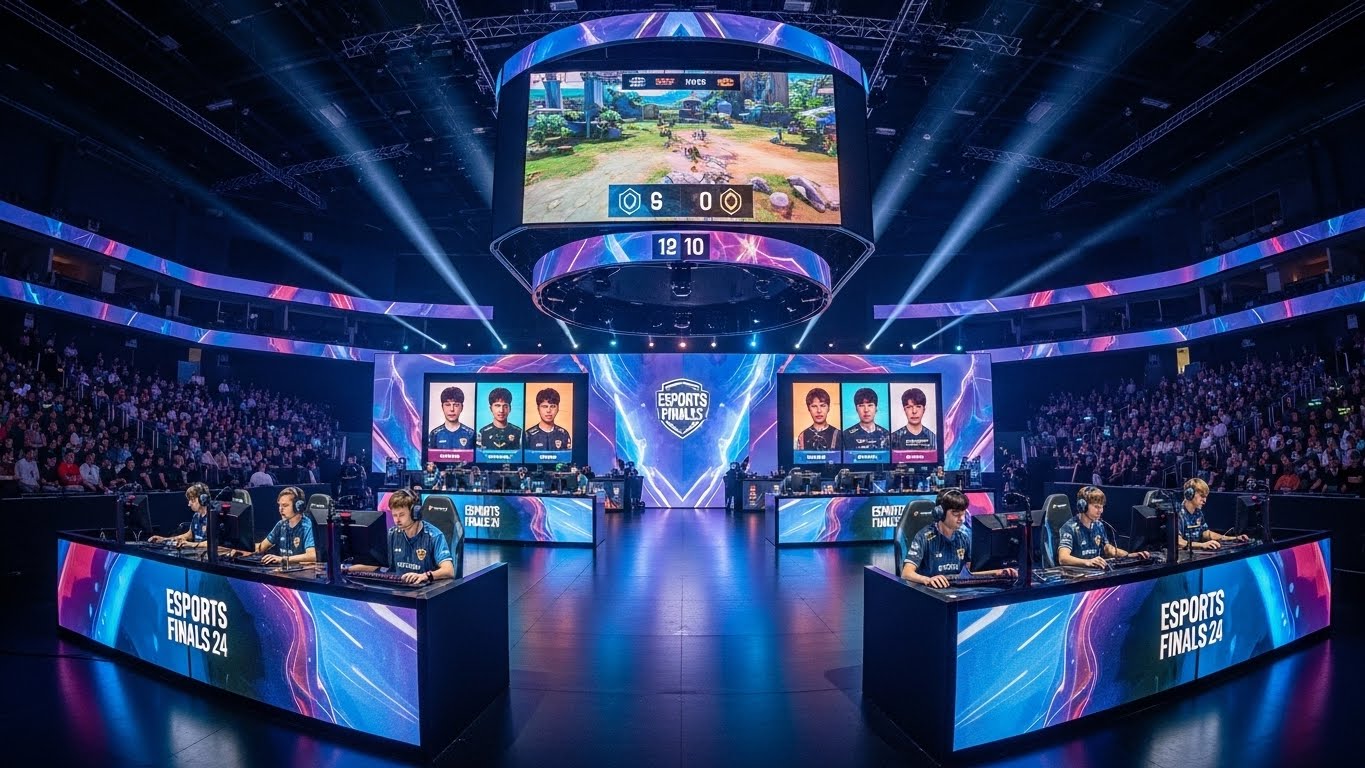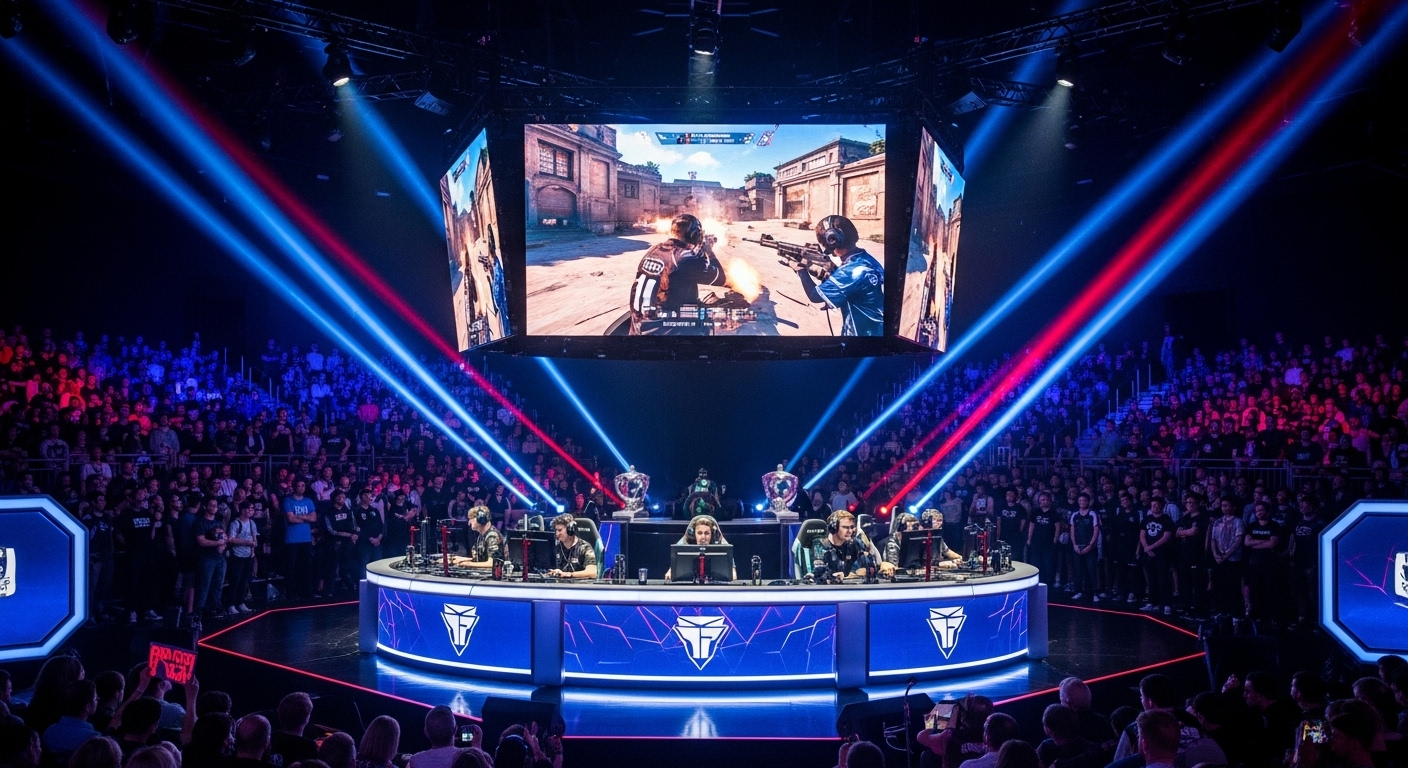
Esports, or electronic sports, has become one of the most prominent entertainment industries in the world today, with millions of fans, players, and organizations involved in various tournaments, leagues, and events. What was once considered a niche hobby for gamers has now evolved into a massive global phenomenon, drawing attention from all sectors, from technology companies and media outlets to traditional sports franchises and investors. The rise of esports is a testament to the power of digital culture and the increasing influence of video games on our social and entertainment landscape.
In this blog post, we will explore the evolution of esports, from its humble beginnings to its present-day status as a multi-billion-dollar industry. We will look at key milestones, the role of technology, the changing perception of gaming, and the future of esports in the context of the global entertainment market.
1. The Early Days of Competitive Gaming
The Birth of Esports: 1970s to 1990s
The origins of esports can be traced back to the 1970s when the first competitive video gaming events were held. Although these events were limited in scope and audience, they laid the foundation for what would eventually become the esports industry. The 1972 game Space Invaders, for example, was one of the first games to inspire competitive play, and the 1980 Space Invaders Championship can be considered the first known esports tournament. This marked the beginning of competitive gaming, although it was still in its infancy.
In the 1980s and 1990s, arcade games such as Pac-Man and Street Fighter started to attract large groups of players who would challenge each other for high scores. Local competitions began to emerge, and players would gather at arcades to compete. However, esports, as we know it today, was still not a fully realized concept. The games were primarily single-player or limited multiplayer experiences, and the concept of professional teams or tournaments on a global scale didn’t exist.
It wasn’t until the late 1990s and early 2000s that the concept of esports began to take shape more seriously. StarCraft, Quake, and Warcraft became some of the first real-time strategy and first-person shooter games that pushed the boundaries of competitive gaming. Online multiplayer gaming started to become a reality, which set the stage for organized esports leagues and competitions.
2. The Rise of Online Gaming and the Birth of Major Esports Tournaments
The Early 2000s: Global Connections and the First Esports Leagues
The internet revolutionized gaming, making it possible for players to connect and compete with others across the globe. This era marked the beginning of professional esports tournaments, as online multiplayer games like Counter-Strike, Warcraft III, and StarCraft: Brood War gained widespread popularity. Players could now form teams and compete in tournaments with a global audience, as online streaming platforms began to support esports broadcasting.
In 2000, the first major esports league, the Cyberathlete Professional League (CPL), was founded. This league focused on games like Quake III Arena and Counter-Strike, attracting some of the best players from around the world. CPL’s tournaments offered cash prizes, and the competition grew in scale, further legitimizing the idea of esports as a professional activity. The success of CPL paved the way for other organizations to enter the space, setting the stage for a new wave of esports development.
As the popularity of esports grew, gaming communities became more organized, and the creation of online platforms like Battle.net and Xfire allowed players to easily connect, communicate, and participate in organized competitions. These platforms also helped to popularize esports by offering tournaments with prize money and providing a space for gamers to share strategies and experiences.
3. The Growth of Esports: 2010s and Beyond
Esports Becomes Mainstream
By the early 2010s, esports had truly entered the mainstream. The growth of high-speed internet and the rise of streaming platforms like Twitch and YouTube played a crucial role in this transformation. These platforms allowed viewers to watch live broadcasts of esports events, bringing the competitive gaming experience into homes around the world. Viewership exploded as a result, with millions tuning in to watch professional gamers compete in games such as League of Legends, Dota 2, Counter-Strike: Global Offensive, and Hearthstone.
The League of Legends World Championship, first held in 2011, quickly became one of the most watched esports events, drawing millions of viewers. With its large-scale events and tournaments, League of Legends played a pivotal role in demonstrating the potential of esports as a major entertainment industry. Other games followed suit, establishing large-scale tournaments, such as Dota 2’s The International, which offered multi-million-dollar prize pools. This further demonstrated the financial viability of esports and led to increased sponsorship from major corporations.
The 2010s also saw the rise of esports organizations, such as Cloud9, Team Liquid, Fnatic, and SK Telecom T1, which began signing professional players to compete in various tournaments. These organizations offered salaries, sponsorships, and support staff for players, turning gaming into a viable career for many talented individuals. The evolution of esports as a legitimate professional field continued as more traditional sports teams, celebrities, and investors entered the space.
Esports on Television and in Major Sports Arenas
Esports began to make its way into mainstream media, with tournaments being broadcast on television channels, as well as being covered by major news outlets. In 2018, the Overwatch League was created by Blizzard Entertainment, featuring a city-based franchise model similar to that of traditional sports leagues. This move helped bring esports to new audiences and established the format for what esports leagues could look like in the future.
One of the most significant developments in esports came with the hosting of major esports events in traditional sports venues. The League of Legends World Championship, for example, was held in sports stadiums, with the 2017 final taking place in Beijing’s Bird’s Nest Stadium, which previously hosted the 2008 Summer Olympics. These events attracted massive crowds, with tens of thousands of spectators in attendance, and millions more watching online.
The esports industry began to resemble traditional sports in terms of infrastructure, sponsorships, and media rights. Companies like Coca-Cola, Intel, and Mercedes-Benz became major sponsors, and big brands started to enter the esports ecosystem, recognizing its global appeal. Partnerships with television networks and streaming platforms like ESPN and YouTube Gaming also helped to increase the visibility of esports to a broader audience.
4. The Business of Esports: Revenue Streams and Sponsorships
A Multi-Billion Dollar Industry
By the mid-2010s, esports had firmly established itself as a multi-billion-dollar industry. This growth was driven by several factors, including the rise of online streaming platforms, the growth of esports leagues, the increasing number of viewers, and lucrative sponsorship deals. In 2020, the global esports market was valued at over $1 billion, and projections suggested that it could reach $1.6 billion by 2023.
The business side of esports consists of several revenue streams:
- Sponsorships and Advertising: Major brands have recognized the potential of esports to reach a young, tech-savvy audience. Sponsorships from companies in sectors such as technology, consumer goods, and sports have been a primary source of revenue for many esports organizations and events. Advertising on streaming platforms also contributes to the overall revenue.
- Media Rights: Similar to traditional sports, esports organizations and tournament organizers have started to sell media rights for broadcasting tournaments. Streaming platforms like Twitch, YouTube Gaming, and Facebook Gaming pay for exclusive rights to stream major tournaments and competitions.
- Ticket Sales and Merchandise: Esports tournaments are held in major arenas and often sell tickets to live events, generating significant revenue. Additionally, the sale of team merchandise, from jerseys to hats and other collectibles, has become a significant source of income for esports organizations.
- Prize Pools: Prize money from competitive events is another source of revenue. The biggest esports tournaments, such as The International (Dota 2) and the League of Legends World Championship, offer multi-million-dollar prize pools, which attract the best players from around the world.
- Game Sales and In-Game Purchases: Games that host esports competitions, such as League of Legends, Fortnite, and Dota 2, often generate significant revenue from in-game purchases and microtransactions. These games use the free-to-play model, where players can buy cosmetic items, skins, and other digital content.
5. The Future of Esports: New Frontiers and Challenges
The Global Expansion of Esports
Looking ahead, esports is poised for continued growth, with emerging markets such as Asia, Latin America, and Africa showing increasing interest in competitive gaming. Esports is already incredibly popular in countries like South Korea, China, and the United States, but the next frontier lies in expanding the reach of esports to regions where gaming is still growing.
One of the biggest opportunities for growth is the rise of mobile esports, particularly in Asia. Mobile gaming has exploded in popularity, especially in countries like China and India. With the increasing capabilities of smartphones and the growing number of mobile games, esports on mobile devices is expected to become a major part of the industry in the coming years.
The Role of Virtual Reality and Augmented Reality
The next technological frontier for esports is the integration of virtual reality (VR) and augmented reality (AR). As VR and AR technology continues to improve, there will be new possibilities for immersive, next-level competitive gaming experiences. These technologies have the potential to revolutionize how esports are played and watched, offering a more interactive and engaging experience for players and viewers alike.
Esports in Education and Careers
Esports is also making its way into education, with colleges and universities around the world offering esports scholarships, programs, and even varsity teams. The rise of esports as a career option has led to the creation of professional training and development opportunities, where aspiring players can hone their skills and work towards a future in competitive gaming. Esports management programs are also emerging, offering students the opportunity to pursue careers as organizers, analysts, and marketers in the esports industry.
Overcoming Challenges
Despite the impressive growth of esports, the industry faces several challenges. Issues such as player burnout, toxic behavior, lack of regulation, and gambling concerns must be addressed in order to ensure the long-term sustainability and integrity of esports. The increasing commercialization of esports, while beneficial for its growth, has led to concerns over the potential exploitation of players, particularly in lower-tier competitions. As the industry continues to evolve, finding ways to maintain a balance between business interests and player welfare will be crucial.
Conclusion: A Bright Future for Esports
Esports has come a long way since its humble beginnings in the 1970s. Today, it stands as a thriving global industry with millions of fans, players, and sponsors. The journey from arcade games to the multi-billion-dollar phenomenon we see today has been nothing short of remarkable. Esports has transformed from a niche hobby into a mainstream form of entertainment, attracting the attention of brands, media outlets, and investors from around the world.
As the industry continues to grow, it will be exciting to see how technology, globalization, and innovation continue to shape the future of esports. Whether you’re a casual gamer or a dedicated fan, esports is here to stay, and its impact on entertainment, culture, and even the traditional sports industry will only continue to expand in the years to come.