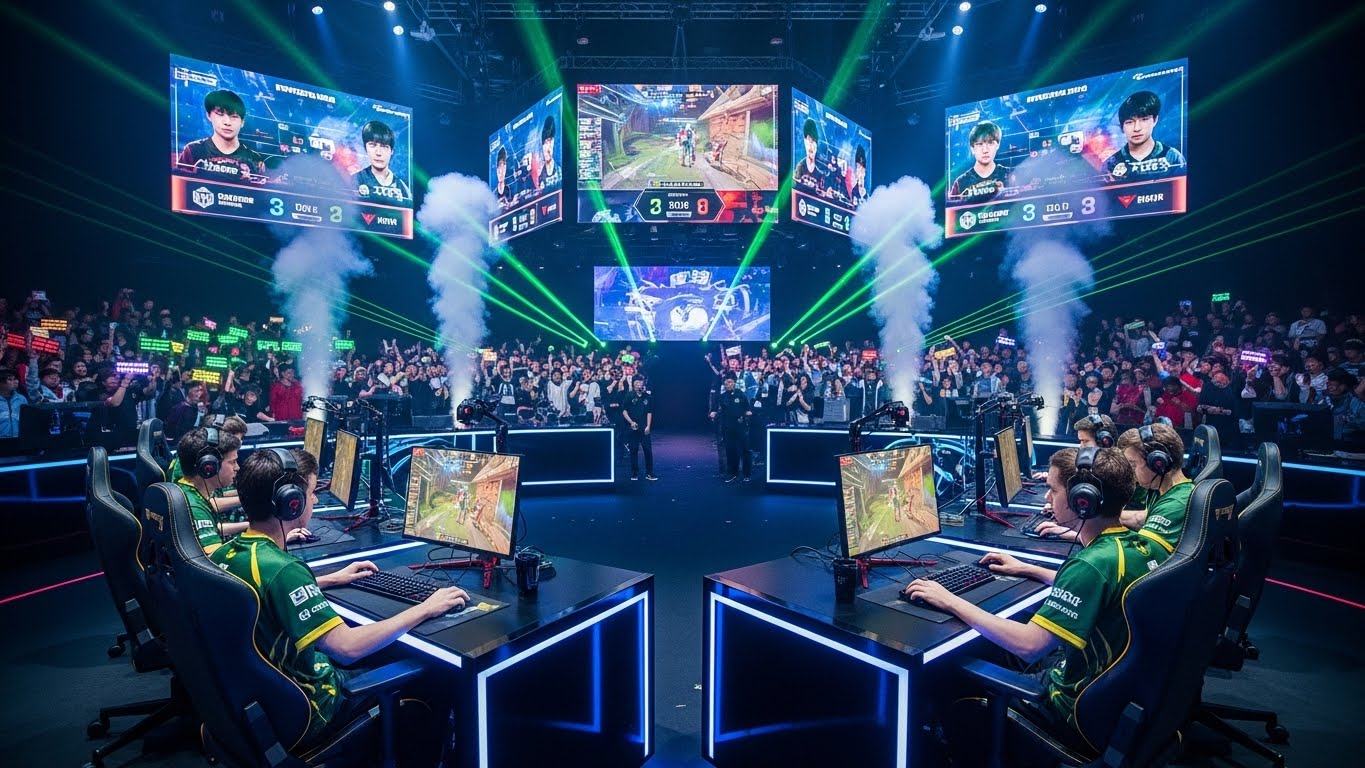
Esports, or electronic sports, has evolved from a niche hobby into a multi-billion-dollar global industry, captivating millions of fans and players alike. From professional tournaments to grassroots competitions, esports has reshaped the way we think about sports, competition, and entertainment. In this blog post, we will explore the explosive rise of esports, its various facets, and its impact on the digital world, entertainment, and traditional sports. We will also examine the future potential of esports and its growing influence across the globe.
Understanding Esports: What Is It?
At its core, esports refers to competitive video gaming, where individuals or teams compete against one another in various digital games, often organized into tournaments or leagues. While video games themselves have been around for decades, esports as a formal, organized competition only gained momentum in the late 1990s and early 2000s. Today, esports features a wide range of genres, including real-time strategy (RTS), first-person shooters (FPS), multiplayer online battle arena (MOBA) games, and sports simulations.
Some of the most popular games in the esports world include League of Legends, Dota 2, Counter-Strike: Global Offensive, Fortnite, Call of Duty, and Overwatch. These games, among others, have become the cornerstone of esports competitions, where players often train for years to perfect their skills and strategies.
The Growth of Esports: From Casual to Professional
Esports’ journey from a niche interest to a global phenomenon can be traced back to the early 2000s. Initially, competitive gaming was limited to small-scale LAN (local area network) parties or online tournaments with modest prizes. However, as internet speeds improved and online platforms such as Twitch and YouTube emerged, competitive gaming grew into a mainstream activity.
The development of professional esports organizations and sponsorship deals, often involving major brands such as Coca-Cola, Intel, and Red Bull, played a crucial role in propelling esports into the spotlight. Major events like The International, League of Legends World Championship, and EVO attracted massive live audiences and millions of viewers online, solidifying esports as a legitimate form of entertainment.
Today, esports is an organized industry with professional teams, players, coaches, analysts, broadcasters, and more. Leading esports organizations such as T1, Team Liquid, Cloud9, and Fnatic boast large fanbases and sponsor deals worth millions of dollars. Furthermore, esports players are now considered professionals, earning significant salaries, sponsorships, and prize money through their participation in high-stakes competitions.
The Ecosystem of Esports: Teams, Players, and Leagues
Esports is a complex and dynamic ecosystem, where various stakeholders work together to create and sustain the industry. Let’s take a closer look at some of the key components of the esports world:
Professional Teams
Just like traditional sports, esports relies heavily on professional teams that train, strategize, and compete. These teams are often made up of highly skilled players who specialize in specific games or roles. For example, in a game like League of Legends, a team might consist of players who take on roles like mid-laner, AD carry, jungler, and support.
Top-tier esports teams recruit talent from all over the world and sign long-term contracts with players. Many of these teams also employ coaches, analysts, and performance staff to ensure the team is performing at its best. The structure and environment of these teams mirror that of traditional sports franchises, with some teams even operating out of dedicated training facilities and having their own branded merchandise.
Esports Players
Esports players are at the heart of the industry. These highly skilled individuals spend hours every day honing their abilities in order to remain competitive at the highest level. Training involves more than just playing the game—players also study gameplay footage, analyze opponents’ strategies, and work with coaches to improve their performance.
Esports players often have to make sacrifices in terms of social life and personal time, as the dedication required to reach the top levels of competition is intense. Despite the challenges, many players enjoy the opportunity to compete on an international stage and receive recognition from fans and sponsors.
Leagues and Tournaments
Esports has a variety of tournaments and leagues that are organized on both regional and international levels. For example, League of Legends has the League of Legends Championship Series (LCS) in North America and the League of Legends European Championship (LEC) in Europe. These leagues culminate in a World Championship event where the best teams from around the world compete for a massive cash prize and global recognition.
Tournaments are typically streamed live on platforms like Twitch, YouTube, and Facebook, attracting millions of viewers. Some of the most notable tournaments include The International (Dota 2), Fortnite World Cup, CS:GO Majors, and Overwatch League Finals. These events often offer prize pools in the millions of dollars and feature high-stakes competition between the best teams and players in the world.
Esports and the Digital Economy
Esports is an integral part of the broader digital economy, with its impact felt across various sectors. One of the key elements that has contributed to esports’ rise is its strong relationship with online streaming platforms.
Streaming Platforms
Twitch, YouTube Gaming, and Facebook Gaming are the primary platforms for live streaming esports events. These platforms have revolutionized the way people consume content, allowing fans to watch their favorite teams and players in real time, interact with the community, and even participate in fan-driven activities like live chats and polls. Twitch, in particular, has become a cultural hub for esports and gaming, with millions of viewers tuning in daily to watch esports competitions, casual streams, and gaming-related content.
The growing popularity of esports streams has also created a new generation of influencers and content creators. Many esports players now stream their gameplay live on Twitch, while others produce content on YouTube, creating a symbiotic relationship between players, viewers, and brands.
Sponsorships and Advertising
The rise of esports has caught the attention of major corporations seeking to capitalize on the growing audience of tech-savvy, young consumers. As a result, sponsorships and advertising in esports have become a significant source of revenue. Brands from diverse industries—such as energy drinks, tech companies, clothing brands, and even traditional sports organizations—are investing in esports to increase visibility among younger, digital-first audiences.
These sponsorships take various forms, including team endorsements, event sponsorships, and in-game advertising. With an ever-expanding fanbase, esports offers companies the chance to connect with an audience that is increasingly difficult to reach through traditional forms of media.
Prize Money and Earnings
For many esports players, tournaments represent the most significant source of income. Prize pools for major events can reach astronomical amounts—The International 2018 featured a prize pool of over $25 million. In addition to prize money, top players also earn salaries through their contracts with esports teams, along with sponsorships and personal endorsements.
Although the path to becoming a professional esports player is not easy, the financial rewards can be substantial for those who reach the top. Some players have become millionaires thanks to their participation in tournaments and lucrative sponsorship deals.
Esports and Traditional Sports: A New Form of Competition
As esports continues to grow, it has drawn increasing attention from traditional sports organizations. In fact, many see esports as a complement to traditional sports rather than a competitor. Some of the biggest sports leagues in the world—such as the NBA, NFL, and FIFA—have even ventured into esports by creating their own leagues and tournaments based on popular video games.
The NBA’s NBA 2K League, for example, allows professional basketball players to compete in a virtual version of their sport, blending elements of both esports and traditional sports. Similarly, the FIFA eWorld Cup provides an opportunity for soccer fans and players to engage with the sport in a digital format.
Moreover, many professional athletes are investing in esports teams or creating their own ventures within the industry. Esports’ ability to attract young, engaged audiences has made it a valuable asset in the eyes of traditional sports leagues and sponsors.
The Future of Esports: Endless Possibilities
Esports shows no signs of slowing down. With the rapid advancement of technology, especially in areas like virtual reality (VR), augmented reality (AR), and artificial intelligence (AI), the future of esports holds exciting possibilities. As immersive experiences and new gaming genres emerge, esports will continue to evolve, attracting new players, teams, and fans from across the globe.
The growth of mobile esports is also a significant trend, as smartphones become increasingly powerful and capable of handling sophisticated games. Mobile esports titles like PUBG Mobile and Mobile Legends have already gained massive followings, particularly in regions like Southeast Asia, where mobile gaming is the dominant form of play.
In addition, the inclusion of esports in the Asian Games as a demonstration sport in 2018, with potential for inclusion in the Olympic Games in the future, marks a new era for the legitimacy and global recognition of competitive gaming.
Conclusion: Esports as a Global Cultural Phenomenon
Esports is no longer just a hobby or a pastime—it has become a global cultural and economic phenomenon. From competitive tournaments and professional teams to streaming platforms and corporate sponsorships, esports has reshaped the way we think about sports and entertainment. As the industry continues to grow, we can expect to see even more innovation, expansion, and integration of esports into mainstream culture.
Whether you’re a gamer, a fan, or simply curious about the future of entertainment, one thing is clear: esports is here to stay, and its impact will be felt for generations to come.