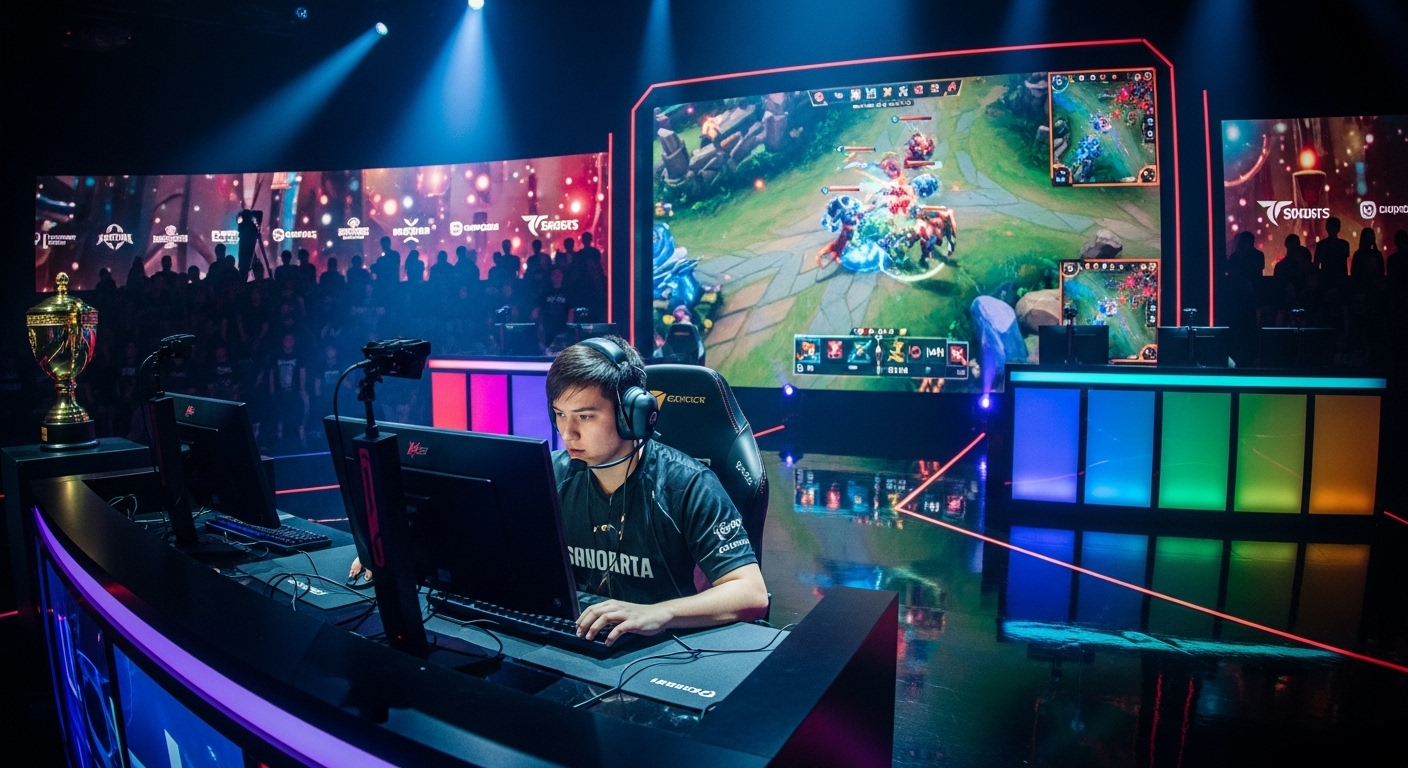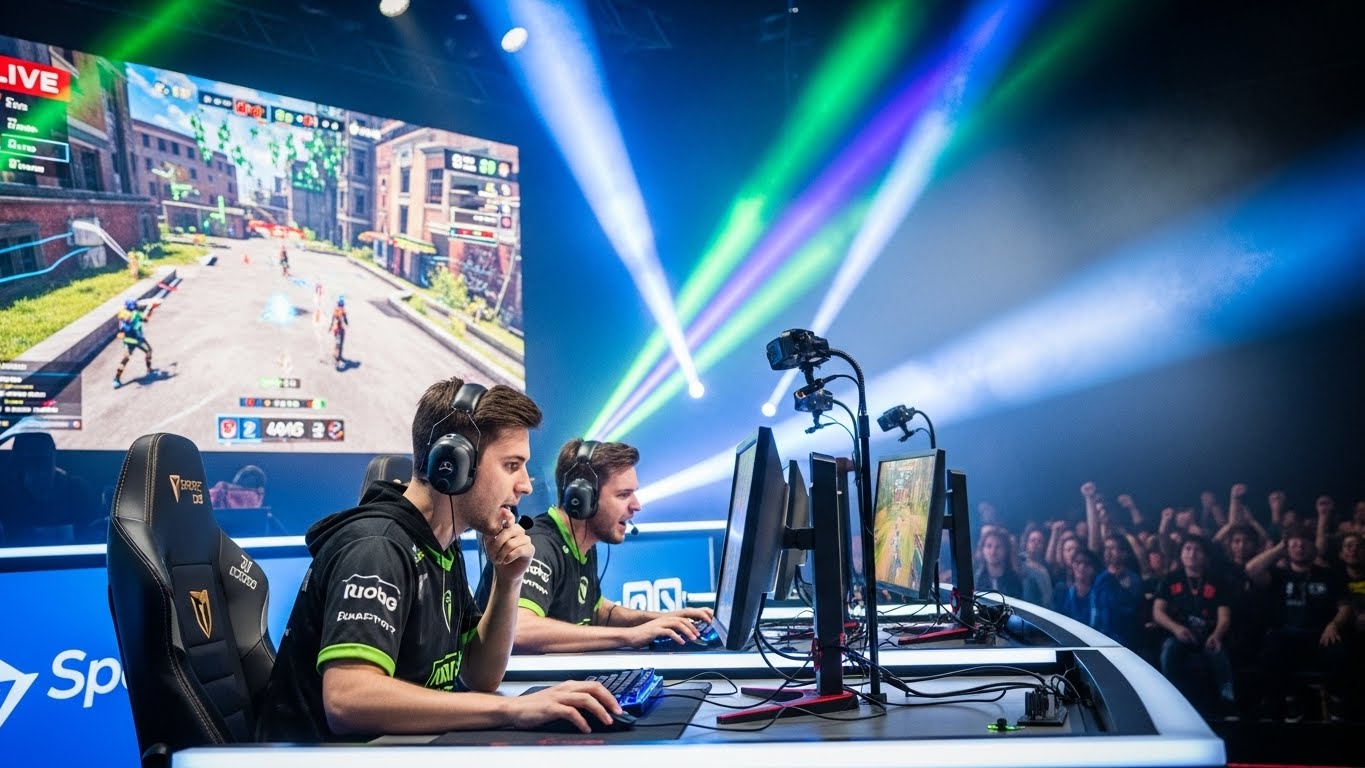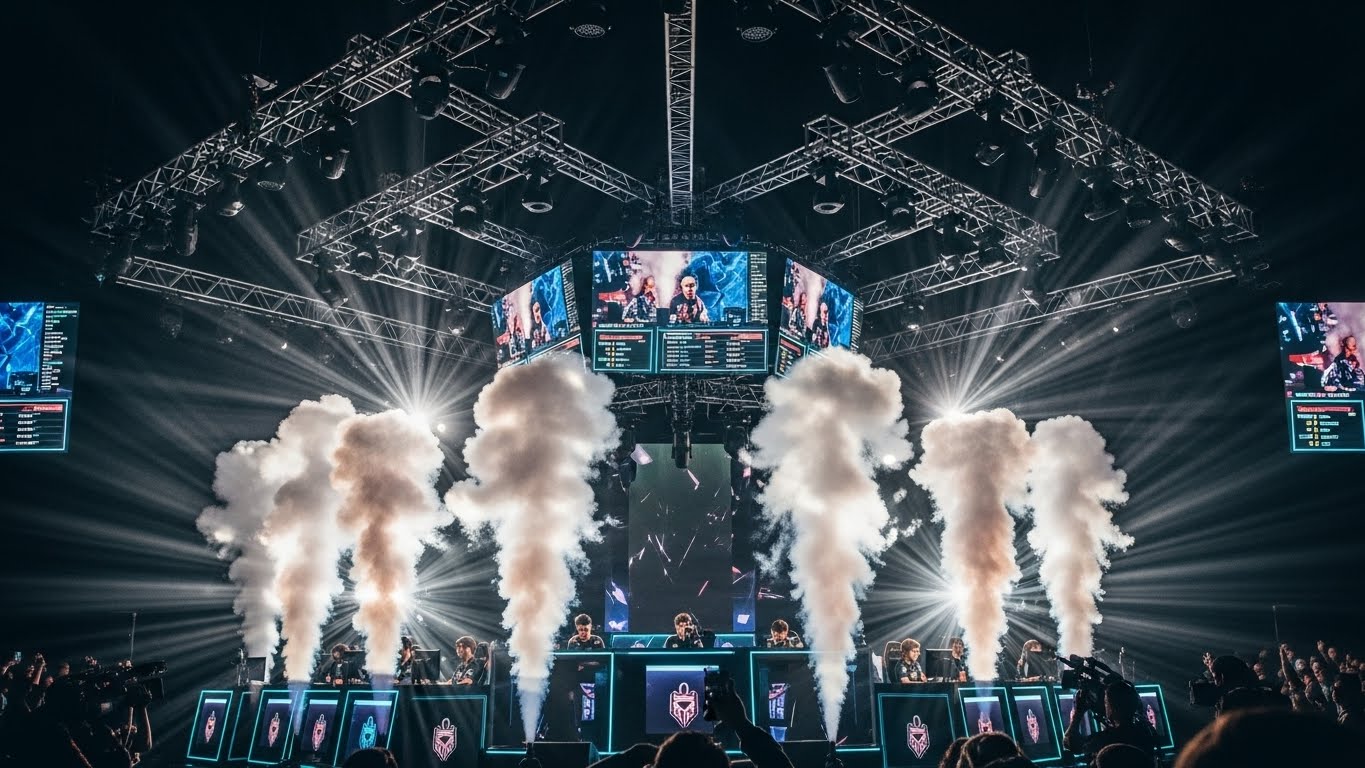
The world of gaming has transformed dramatically over the past two decades. What once started as a hobby enjoyed in living rooms and arcades has now evolved into a multi-billion-dollar industry known as esports. Competitive gaming has transcended traditional entertainment, blending technology, sports, and culture into a global phenomenon. Esports is no longer a niche pursuit; it has become a serious career path for players, a lucrative venture for investors, and a cultural touchstone for millions of fans around the world.
Understanding Esports
Esports, short for electronic sports, refers to competitive, organized video gaming. Unlike casual gaming, esports involves professional players or teams competing in tournaments for recognition, prize money, and sponsorships. These competitions cover a wide range of genres, from multiplayer online battle arenas like League of Legends to first-person shooters such as Counter-Strike: Global Offensive, and even real-time strategy games like StarCraft II. Each genre demands unique skills, strategies, and teamwork, making esports a complex and highly competitive arena.
The growth of esports has been fueled by technological advancements, the rise of streaming platforms, and the increasing accessibility of high-speed internet. This has allowed players to connect with global audiences, turning virtual competitions into events watched by millions. What was once confined to local gaming communities now enjoys a global stage, complete with professional commentators, analysts, and fan communities.
The Popularity Surge
One of the most remarkable aspects of esports is its rapid growth in popularity. According to industry reports, the global esports audience has surpassed hundreds of millions, with some major tournaments drawing viewership comparable to traditional sports like football and basketball. Events such as The International for Dota 2, the League of Legends World Championship, and the Fortnite World Cup have become major spectacles, showcasing extraordinary talent and drawing international attention.
The rise of esports is partly due to the cultural shift in how people perceive gaming. Previously stigmatized as a pastime for teenagers or hobbyists, gaming is now recognized as a legitimate form of competition and entertainment. Professional players are celebrated like traditional athletes, with training regimens, sponsorships, and fan followings that rival those of major sports stars. This transformation has not only legitimized esports but also expanded its appeal across age groups, demographics, and countries.
Economic Impact of Esports
Esports has become a significant economic force. The industry generates revenue from multiple sources, including tournament prizes, sponsorship deals, media rights, and merchandise sales. Leading esports organizations operate similarly to professional sports clubs, hiring players, coaches, analysts, and marketing teams to maximize performance and visibility. Sponsorships from major brands such as tech companies, energy drinks, and apparel brands highlight the commercial potential of esports as a marketing platform.
In addition to direct revenue, esports also drives related industries, including streaming platforms, hardware manufacturing, and digital media. The demand for high-performance gaming PCs, peripherals, and consoles has skyrocketed as competitive gaming becomes mainstream. Streaming platforms, in particular, have transformed the way fans interact with esports, providing real-time access to tournaments, behind-the-scenes content, and live commentary.
The Role of Technology in Esports
Technology is the backbone of esports. High-speed internet, advanced graphics, and powerful gaming hardware enable seamless competitive play, while streaming platforms allow audiences to engage with content in real time. Virtual arenas and online matchmaking systems facilitate global competitions, enabling players from different continents to compete in the same tournaments without geographical limitations.
Moreover, innovations in data analytics and artificial intelligence are transforming the way players train and strategize. Professional teams now analyze vast amounts of game data to identify trends, weaknesses, and opportunities. Coaches use this data to optimize player performance, develop strategies, and make informed decisions during live matches. Technology has turned esports into a sophisticated, data-driven industry, blending human skill with analytical insight.
Careers in Esports
Esports has created a diverse array of career opportunities. While professional players often receive the most attention, the industry supports many other roles, including coaches, analysts, commentators, event organizers, and content creators. Careers in esports are not limited to competitive play; marketing, media production, and technology roles are equally vital to sustaining the ecosystem.
For aspiring players, the path to professionalism is highly demanding. Competitive gamers often undergo rigorous training schedules, focusing on strategy, reflexes, teamwork, and mental resilience. Beyond raw skill, success in esports requires discipline, communication, and the ability to adapt under pressure. Many professional players start young, participating in local tournaments before progressing to national and international competitions.
The Global Appeal of Esports
One of the most fascinating aspects of esports is its global appeal. Unlike traditional sports, which often have regional limitations, esports transcends borders. A player in South Korea can compete against someone in North America or Europe in real time, and fans from around the world can watch and interact via live streams. This global accessibility has fostered diverse communities and created a truly international fan base.
Different regions have developed unique esports cultures. South Korea, for example, is renowned for its professional gaming infrastructure and highly competitive environment, particularly in games like StarCraft and League of Legends. China has rapidly expanded its esports presence, hosting massive tournaments and investing in esports education. North America and Europe continue to grow steadily, with increasing investment from traditional sports organizations and mainstream media.
Challenges Facing the Esports Industry
Despite its rapid growth, esports faces several challenges. One major issue is sustainability. Many esports organizations rely heavily on sponsorships and tournament winnings, which can fluctuate significantly. Without stable revenue streams, smaller teams and emerging players often struggle to survive. Additionally, the industry must address issues related to player health, including mental stress, burnout, and physical strain from extended gaming sessions.
Regulation and standardization are also areas of concern. Unlike traditional sports with established governing bodies, esports is still fragmented, with multiple organizations managing rules, tournaments, and rankings. This lack of uniformity can create confusion for players, teams, and fans, and may hinder long-term growth.
The Future of Esports
The future of esports looks promising, with several trends pointing to continued expansion. Virtual reality (VR) and augmented reality (AR) technologies could introduce new forms of competitive gaming, creating immersive experiences for players and spectators. Additionally, the integration of esports into educational programs and professional development could legitimize gaming as a skill-building platform.
Esports may also see greater collaboration with traditional sports. Some sports franchises have invested in esports teams, recognizing the potential to engage younger audiences and diversify revenue streams. This convergence of digital and physical sports could redefine entertainment, blurring the lines between gaming, athletics, and media.
Esports and Society
Esports is more than just a competitive activity; it reflects broader societal trends in technology, entertainment, and communication. It empowers youth by providing new avenues for creativity, teamwork, and personal development. Esports communities foster social interaction, allowing individuals to connect over shared interests, regardless of geographical or cultural differences.
Furthermore, esports challenges conventional notions of sports and athleticism. It demonstrates that skill, strategy, and mental acuity are just as valuable as physical prowess. By legitimizing gaming as a competitive and career-oriented pursuit, esports reshapes how society perceives achievement and entertainment.
Conclusion
Esports has evolved from a niche hobby into a global phenomenon, transforming the landscape of gaming, entertainment, and professional competition. Its growth is fueled by technology, media, and cultural acceptance, creating opportunities for players, organizations, and fans alike. While challenges remain, including sustainability, regulation, and player welfare, the potential of esports is immense. It has redefined competition, expanded the concept of sports, and brought people together in ways that were unimaginable just a few decades ago. As esports continues to evolve, it promises to remain a dynamic and influential force, shaping the future of gaming and entertainment for generations to come.