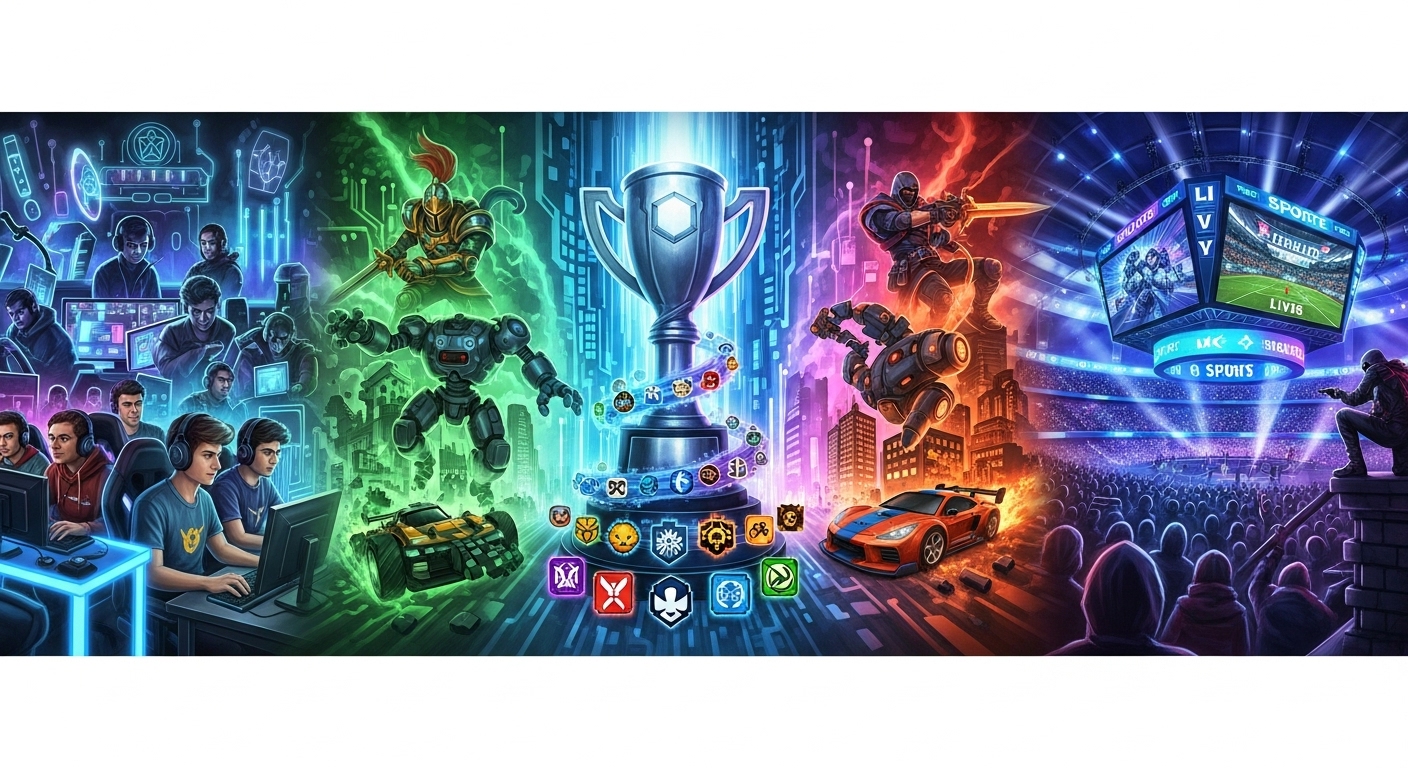
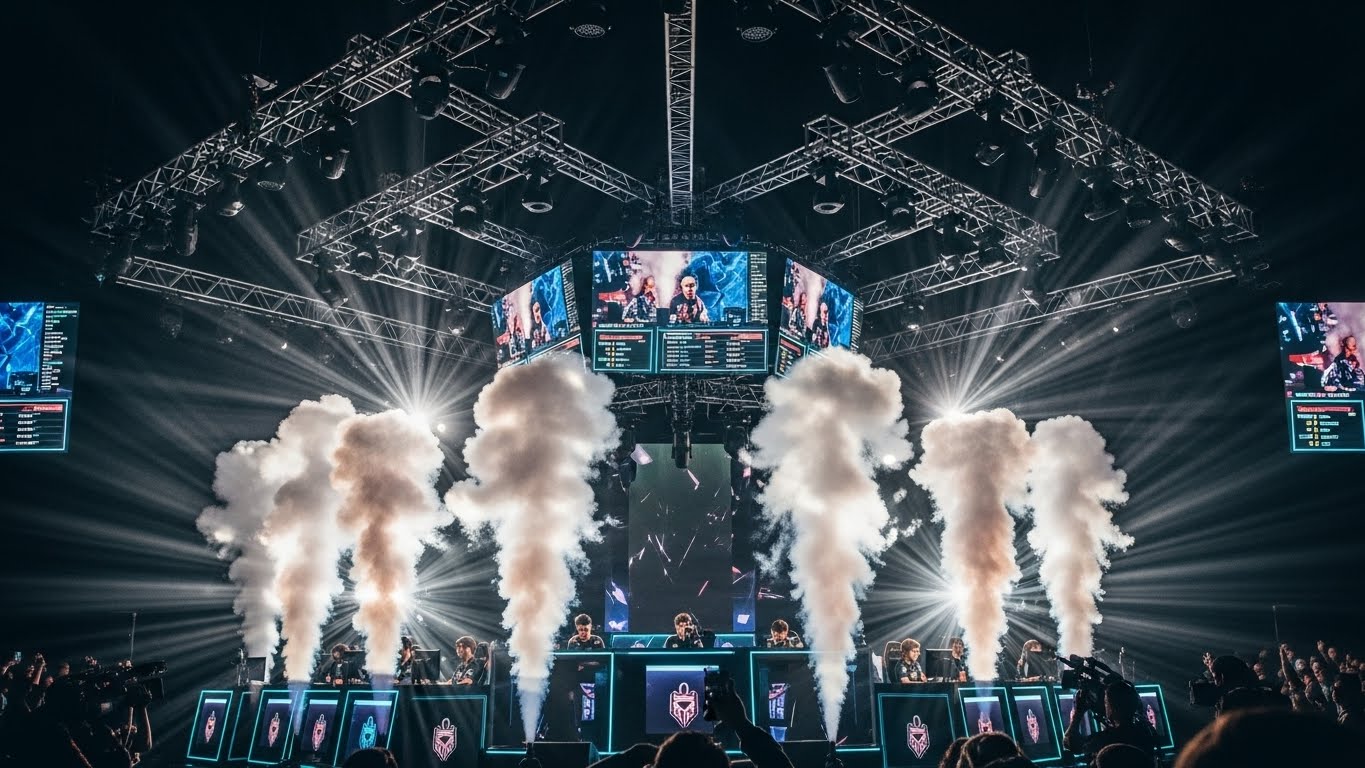
Esports, once a niche hobby enjoyed by a small subset of gamers, has rapidly transformed into a multi-billion-dollar industry. Today, competitive gaming has evolved beyond just playing video games; it’s a global spectacle, where professional gamers, teams, and franchises compete for fame, fortune, and prestige. What started as basement tournaments has now blossomed into an industry with millions of fans, lucrative sponsorship deals, and worldwide tournaments. This blog will delve into the history, impact, and future of esports, shedding light on its incredible rise and significance in the world of entertainment.
The Rise of Esports: From Small LAN Parties to Global Tournaments
The history of esports can be traced back to the early days of competitive video gaming. In the 1990s, video games like Street Fighter II and Quake were some of the first to be played in competitive formats. Early LAN (Local Area Network) tournaments were held at small venues or even in private homes, where friends would gather to play against one another. These informal events were the starting point for the larger esports ecosystem we see today.
The first major event that set the stage for modern esports was the Red Annihilation tournament in 1997, where thousands of players competed in Quake, with the grand prize being a Ferrari. This marked a turning point, showing that gaming could be more than just a hobby; it could be a serious competition with real-world rewards.
In the years following, gaming communities began to grow larger, and professional organizations started emerging. Major tournaments such as The International (Dota 2), League of Legends World Championship, and CS:GO Major Championships began to attract massive attention, offering significant cash prizes and drawing in millions of viewers from around the world.
Esports: An Industry Like No Other
Esports is no longer just a pastime for a few dedicated gamers; it has become a full-fledged industry with multiple stakeholders, including professional teams, sponsors, game developers, media outlets, and fans. According to recent reports, the global esports industry is worth billions, with sponsorships, media rights, and advertising contributing heavily to its success.
Monetization in Esports is primarily driven by sponsorships from major brands, advertising deals, merchandise sales, and media rights. For example, game publishers like Riot Games (League of Legends) and Valve (Dota 2) not only make money through game sales but also earn revenue from organizing large-scale esports events. Big-name brands like Coca-Cola, Intel, and Audi have also invested in esports sponsorships, recognizing the massive reach and influence of esports events.
Furthermore, the rise of streaming platforms like Twitch and YouTube has provided esports players with an entirely new way to earn revenue. Streamers, or professional players who broadcast their gameplay, often attract millions of viewers. Their income comes from donations, subscriptions, and ads, all of which allow them to build lucrative careers from playing video games.
Key Games That Shaped the Esports Landscape
The success of esports is closely tied to the games that are played within its ecosystem. While the games that dominate the scene change over time, certain titles have had a profound impact on shaping the esports landscape.
- League of Legends (LoL): Released in 2009, League of Legends revolutionized the Multiplayer Online Battle Arena (MOBA) genre and set the gold standard for esports competitions. The League of Legends World Championship (commonly known as “Worlds”) is one of the most prestigious and watched esports events globally, drawing millions of viewers every year.
- Dota 2: Dota 2, developed by Valve, is another giant in the esports world. Its annual tournament, The International, is renowned for offering the highest prize pool in esports, often surpassing $30 million. This has helped Dota 2 cement itself as a leader in competitive gaming.
- Counter-Strike: Global Offensive (CS:GO): CS:GO is a tactical first-person shooter that has been a staple in the esports scene since its release in 2012. With its combination of skill-based gameplay and strategic depth, CS:GO remains one of the most-played competitive games, with tournaments and major leagues attracting top-tier talent from around the world.
- Fortnite: Released in 2017, Fortnite introduced battle royale gameplay to the masses. Its competitive scene has gained significant traction, thanks to its massive player base and the organization of tournaments like the Fortnite World Cup, where players can win millions in cash prizes.
- Overwatch: Blizzard’s Overwatch is another title that has become a mainstay in the esports industry. With its colorful characters and team-based mechanics, Overwatch League (OWL) has brought new audiences to competitive gaming and provided a unique team-based experience that other esports titles lack.
The Role of Streaming and Content Creation in Esports
A major factor that has contributed to the explosive growth of esports is the rise of streaming platforms like Twitch and YouTube Gaming. Streaming has allowed gamers to interact with their audience in real time, offering a more personal and engaging experience than traditional broadcasting. These platforms not only host esports events but also serve as a venue for gaming content creation, where players can livestream their practice sessions, tutorials, or even casual gameplay.
Twitch, in particular, has played an instrumental role in boosting esports’ popularity. By allowing users to watch their favorite streamers and professional players, Twitch has created a space where viewers can interact with players, ask questions, and even participate in live events. Streamers on Twitch have become influential figures in the gaming world, often using their platforms to create content that resonates with millions of fans.
For esports organizations, streaming provides a revenue stream through subscriptions, sponsorships, and ad revenue. It’s a win-win for both content creators and fans, as it creates an immersive environment that brings the esports community closer together.
Esports’ Impact on Traditional Sports and Entertainment
As esports continues to rise in prominence, traditional sports leagues are beginning to take notice. Some of the world’s top sports organizations, such as NBA, NFL, and MLS, have formed partnerships with esports franchises or even launched their own esports leagues. The NBA, for example, has created the NBA 2K League, where professional players compete in the popular NBA 2K video game series.
These partnerships are helping to legitimize esports as a mainstream form of entertainment, attracting a broader audience beyond the typical gamer demographic. Additionally, esports events now fill massive arenas that are usually reserved for traditional sports. The League of Legends World Championship, for example, has been held in renowned arenas like the Bird’s Nest in Beijing and the Staples Center in Los Angeles, underscoring the immense scale of the industry.
In many ways, esports has become its own form of global entertainment, blending elements of video gaming, live streaming, and competitive sports. With large prize pools, loyal fanbases, and global viewership, esports is bridging the gap between traditional and digital forms of entertainment.
The Future of Esports: What’s Next?
As esports continues to grow, it’s important to consider what the future holds. The trajectory of esports suggests that it will continue to expand into new markets, with a strong focus on mobile gaming and virtual reality. In Asia, particularly in countries like China and South Korea, esports has already become deeply integrated into the culture. The next frontier may lie in the West, where esports is still catching up to traditional sports in terms of popularity.
The development of augmented reality (AR) and virtual reality (VR) technology could also revolutionize the way esports tournaments are played. Imagine a future where players participate in esports competitions with VR headsets, allowing them to physically interact with the game environment. This could provide an even more immersive experience for both players and viewers alike.
Another exciting development is the increasing involvement of esports in education. Many schools and universities are beginning to incorporate esports programs, offering scholarships for top players and even creating dedicated esports teams. This could lead to a generation of esports professionals who not only compete at the highest level but also use their platforms to inspire future generations of gamers.
Conclusion: A New Era of Entertainment
Esports has undeniably transformed from a hobby into a global entertainment industry. From its humble beginnings in LAN parties to the multi-billion-dollar business it is today, the journey of esports is one of innovation, passion, and growth. As the esports ecosystem continues to evolve, it’s clear that competitive gaming will remain at the forefront of digital entertainment for years to come.
With the growing influence of streaming platforms, major sponsorship deals, and a vast, dedicated fanbase, esports has proven that video gaming is much more than just a pastime — it’s an international phenomenon. The future of esports is undoubtedly bright, as new technologies, game titles, and player-driven experiences shape the next chapter in this exciting journey. Whether you’re a casual gamer or an esports enthusiast, it’s evident that competitive gaming is here to stay and will continue to captivate audiences around the globe.