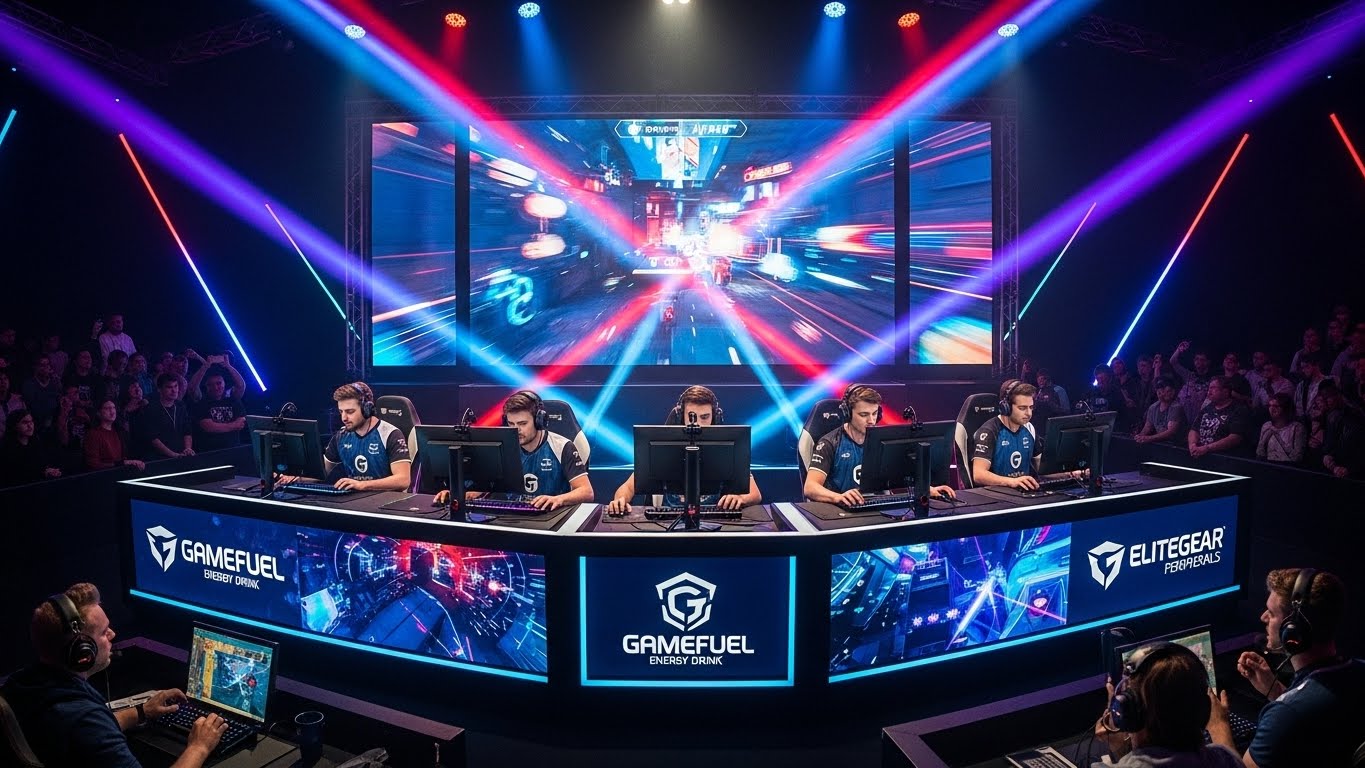
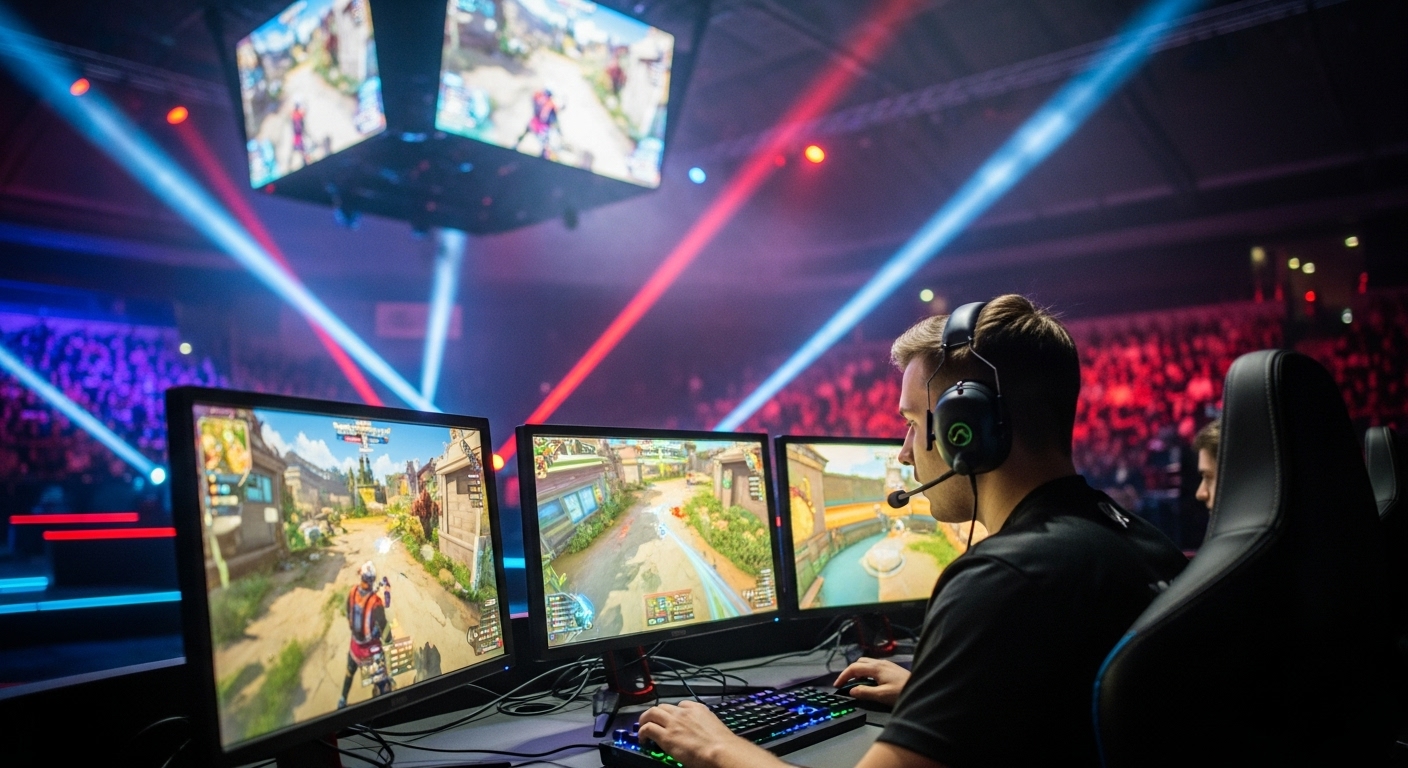
In the past two decades, the world of gaming has undergone a monumental transformation. What was once a hobby pursued by a niche group of enthusiasts has now evolved into a global phenomenon known as esports. Competitive gaming, or esports, has grown into an industry worth billions of dollars, drawing massive audiences, securing sponsorships from major brands, and even earning recognition in mainstream media and sporting events. This growth has been fueled by technological advances, cultural shifts, and the growing legitimacy of gaming as a professional pursuit.
The Origins of Competitive Gaming
Esports did not appear overnight; it has roots that trace back to the earliest days of video gaming. In the late 1970s and 1980s, arcade games and early home consoles introduced competitive elements, although organized tournaments were rare. The first recognized gaming competitions emerged in the early 1980s with events like the Space Invaders Championship in 1980, which attracted thousands of participants across the United States. While primitive by today’s standards, these early competitions planted the seeds for the competitive gaming scene.
The 1990s saw the rise of multiplayer PC games, which provided a fertile ground for competitive gaming. Titles like Doom, Quake, and StarCraft allowed players to compete against each other in both local area networks and early internet environments. South Korea, in particular, emerged as a hotspot for professional gaming, developing a unique esports culture centered around StarCraft. Gaming cafes, known as “PC bangs,” became social hubs where players could train, compete, and form professional teams.
The Evolution of Esports Genres
One of the most remarkable aspects of esports is its diversity. Today, competitive gaming spans multiple genres, each with its own fanbase, strategies, and professional leagues.
First-Person Shooters (FPS): FPS games such as Counter-Strike, Call of Duty, and Overwatch have long been staples of esports. These games emphasize precision, reflexes, and teamwork, creating a high-stakes environment that captivates audiences. Tournaments often feature fast-paced, intense matches that test not only individual skill but also communication and strategic coordination.
Multiplayer Online Battle Arenas (MOBA): MOBAs like League of Legends, Dota 2, and Smite dominate the esports landscape. These games are known for their complexity, requiring players to manage resources, control characters with unique abilities, and execute coordinated strategies with teammates. The MOBA genre has produced some of the largest esports tournaments in history, with prize pools reaching millions of dollars and millions of viewers tuning in worldwide.
Sports Simulation Games: FIFA, NBA 2K, and Madden NFL represent esports in the realm of sports simulations. These games combine the excitement of traditional sports with digital competition, attracting both gamers and sports fans. They offer a platform for professional athletes and esports players alike to showcase their skills, bridging the gap between real-world sports and virtual competition.
Fighting Games: Fighting games such as Street Fighter, Tekken, and Super Smash Bros. have cultivated a passionate community over decades. Esports tournaments in this genre are highly interactive and intense, often requiring split-second reactions and deep knowledge of character mechanics. Despite a smaller audience compared to MOBAs or FPS games, fighting games maintain a loyal following with events that draw significant attention in both local and international circuits.
The Structure of Esports Organizations
Esports is not just about players; it is a sophisticated ecosystem involving organizations, leagues, teams, and management. Professional teams operate similarly to traditional sports franchises, employing managers, coaches, analysts, and marketing professionals to support players.
Leagues play a critical role in structuring competition. For instance, games like League of Legends have regional leagues such as the LCS in North America and the LEC in Europe, which culminate in global championships. These leagues provide stability for teams, create narratives for fans to follow, and generate revenue through sponsorships, merchandise, and broadcasting rights.
The Role of Streaming and Digital Media
The rise of esports is inseparable from the growth of streaming platforms. Services like Twitch, YouTube Gaming, and Facebook Gaming have transformed esports into a spectator sport. Fans can watch live tournaments, follow their favorite players, and engage with communities in real time. Streaming also allows players to build personal brands, monetize their content, and cultivate loyal followings.
Digital media has also introduced new ways for fans to interact with esports. Social media platforms facilitate engagement, discussion, and sharing of highlights, while online forums and fan communities create spaces for in-depth analysis and debate. This level of connectivity has helped esports transcend geographic boundaries, connecting fans and players from around the world.
Esports as a Career Path
One of the most significant developments in recent years is the recognition of esports as a legitimate career path. Professional gamers can earn substantial incomes through tournament winnings, sponsorships, streaming revenue, and merchandise sales. In addition, careers in esports extend beyond playing, including roles in coaching, broadcasting, event management, marketing, and game development.
However, professional gaming also comes with unique challenges. Players must maintain rigorous training schedules, manage stress and mental health, and navigate the volatility of an industry heavily influenced by game popularity and evolving trends. Successful esports professionals often rely on support networks, discipline, and adaptability to sustain long-term careers.
Major Esports Tournaments and Events
Esports tournaments have grown in scale and spectacle, rivaling traditional sports events. The International, the annual Dota 2 championship, is famous for its multi-million-dollar prize pools funded by community contributions. Similarly, the League of Legends World Championship draws millions of viewers globally, with elaborate production, opening ceremonies, and live audiences filling stadiums.
Other major events include the Evolution Championship Series (EVO) for fighting games, the Call of Duty League Championship, and the Fortnite World Cup. These tournaments not only showcase elite talent but also contribute to esports culture through fan experiences, cosplay, and community engagement.
Cultural and Societal Impact of Esports
Esports has had a profound cultural impact, reshaping perceptions of gaming and digital interaction. Competitive gaming has become a legitimate form of entertainment, with fans following teams, players, and tournaments with the same passion as traditional sports. Universities have even started offering esports scholarships and programs, recognizing gaming as a platform for skill development, teamwork, and strategic thinking.
Esports also contributes to economic growth by creating jobs, driving technological innovation, and promoting tourism through live events. Moreover, it has influenced popular culture, inspiring movies, documentaries, merchandise, and a growing recognition of gaming as a form of art and storytelling.
Challenges Facing the Esports Industry
Despite its growth, esports faces several challenges. Sustainability is a concern, as games can fall out of favor quickly, threatening the longevity of teams and leagues. Player health is another issue, as long hours of training, sedentary lifestyles, and high-pressure environments can lead to physical and mental strain.
Additionally, esports must navigate regulatory challenges, including intellectual property issues, fair play enforcement, and ensuring equitable access for players from diverse backgrounds. Addressing these challenges is crucial for maintaining the legitimacy and continued growth of the industry.
The Future of Esports
The future of esports looks promising, with continued growth expected in both audience size and revenue. Advancements in technology, such as virtual reality, augmented reality, and cloud gaming, are poised to enhance the spectator experience and broaden access. Integration with traditional sports, education, and media will further solidify esports as a mainstream cultural phenomenon.
Esports is also likely to expand geographically, with emerging markets in South America, Africa, and Asia contributing to global diversity and innovation. As the industry matures, we can anticipate more professionalization, standardized governance, and increased recognition from governments and institutions.
Conclusion
Esports has evolved from humble beginnings into a global industry that captivates millions and generates billions in revenue. Its rise reflects not only the growth of gaming technology but also the power of digital culture and community. From competitive arenas to streaming platforms, esports continues to redefine entertainment, career opportunities, and cultural expression. As it moves forward, esports will likely become an even more integral part of our social and cultural landscape, proving that competitive gaming is far more than a pastime—it is a transformative force shaping the future of sports and entertainment.