Introduction
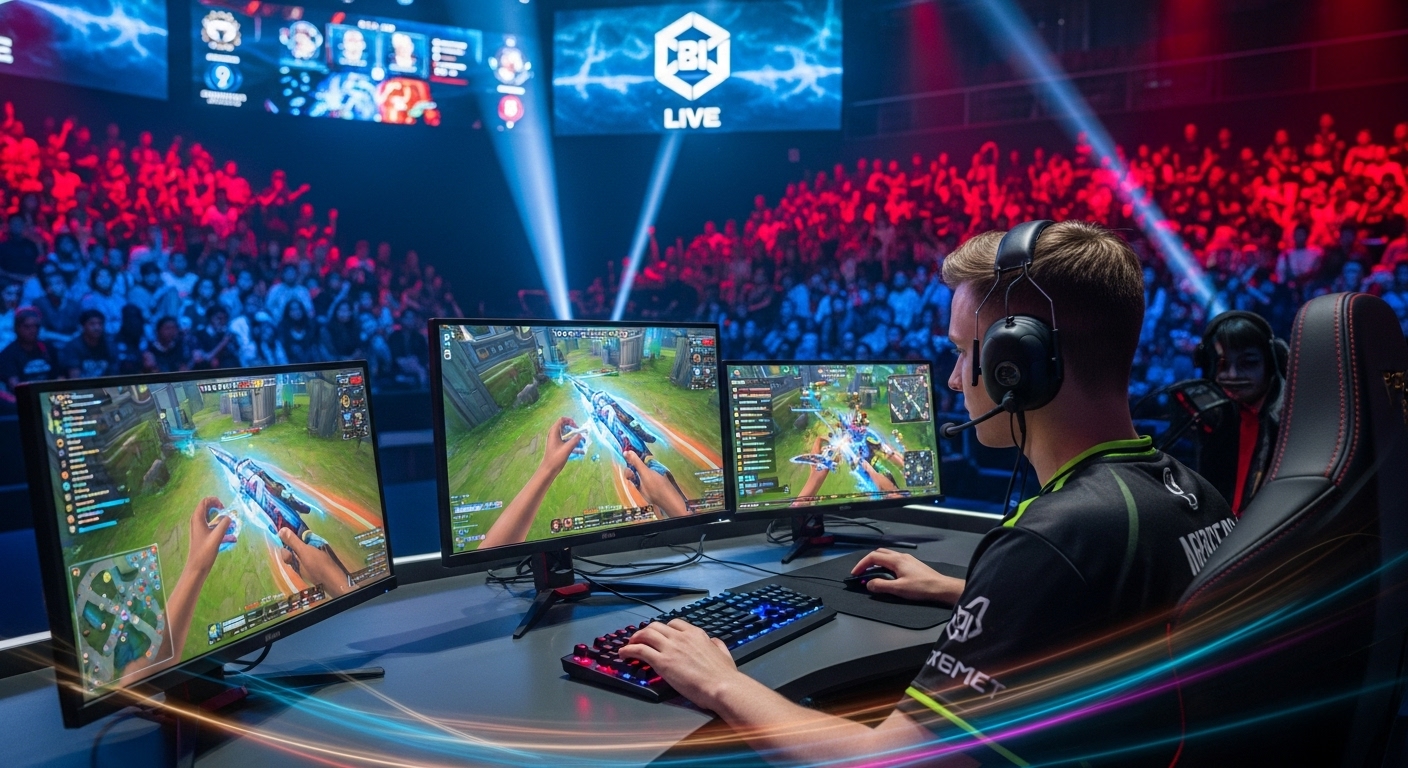
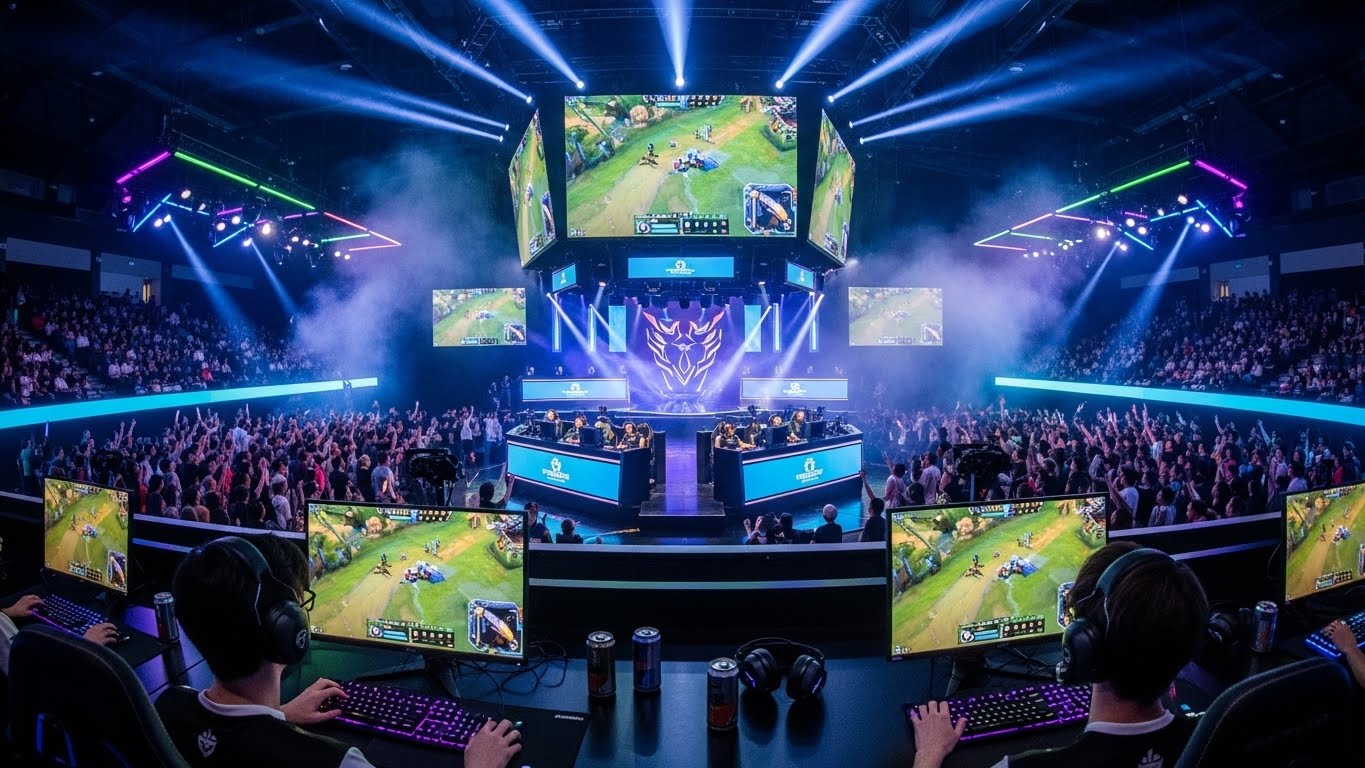
A decade ago, esports was still fighting for mainstream recognition. While competitive gaming had existed for years, it was often dismissed as a niche hobby. Fast forward to today, and esports has become a global industry worth billions, with professional players, franchise leagues, sold-out arenas, and millions of viewers tuning in worldwide.
The past ten years have been a transformative era for esports. From grassroots tournaments to multi-million-dollar leagues, from small streaming setups to professional broadcasting standards, the industry has experienced exponential growth. This blog will explore how esports evolved over the last decade, breaking down key changes in technology, culture, business, and global reach.
Early 2010s: The Foundation of Modern Esports
At the start of the last decade, esports was on the cusp of global growth. Titles like StarCraft II, Counter-Strike 1.6, League of Legends, and Dota 2 were among the most competitive games of the time.
Tournaments existed, but they were relatively small compared to today’s standards. Prize pools rarely crossed $1 million, and venues were modest. Esports was mostly streamed on platforms like Justin.tv (which later became Twitch), attracting niche communities rather than mainstream audiences.
Despite the limited scale, these years laid the groundwork for professionalization. Organizations like Evil Geniuses, Fnatic, and SK Gaming were among the pioneers who treated esports like a real sport, signing professional contracts with players and introducing structured training.
The Rise of Streaming and Content Creation
One of the most significant catalysts in esports’ evolution was the rise of Twitch, launched in 2011. Twitch provided a dedicated space for gamers to stream, interact, and build communities. Suddenly, fans didn’t have to rely solely on tournaments; they could follow their favorite players, personalities, and teams year-round.
This change made esports far more accessible. People who had never attended a tournament could now watch professional matches online for free. The live chat feature also gave fans a sense of community, turning tournaments into social experiences rather than passive broadcasts.
YouTube Gaming, Facebook Gaming, and other platforms followed, but Twitch remained the epicenter of esports content. The platform’s growth directly boosted esports visibility, creating opportunities for sponsorships and monetization.
Prize Pools and Tournaments Reaching New Heights
The last decade also saw explosive growth in esports prize pools. Valve’s The International (TI), the flagship Dota 2 tournament, pioneered crowdfunding models through in-game purchases. Fans contributed to the prize pool, pushing TI into record-breaking territory year after year. By 2019, the event had a prize pool of over $34 million, rivaling major traditional sports tournaments.
Other games followed suit. Fortnite’s World Cup in 2019 awarded $30 million in prizes, making headlines globally. League of Legends World Championships also became a cultural phenomenon, with millions tuning in to watch the best teams from around the globe compete for the Summoner’s Cup.
These massive prize pools not only drew attention from players but also legitimized esports as a viable career path.
Mainstream Recognition and Sponsorships
Over the last ten years, esports transitioned from niche gatherings to mainstream entertainment. Large corporations and brands like Coca-Cola, Intel, Red Bull, and Nike began investing heavily in teams and events. Traditional sports organizations, including the NBA and European football clubs, entered the scene by acquiring or forming esports teams.
Esports also gained recognition in mainstream media. Major television networks experimented with broadcasting esports, while streaming platforms became the primary home for tournaments. Universities began offering esports scholarships, and governments in countries like South Korea, China, and the U.S. acknowledged esports players as professional athletes.
By the late 2010s, esports was no longer just about gaming—it had become a cultural phenomenon.
The Role of Franchised Leagues
Another major development was the rise of franchised leagues, modeled after traditional sports. Blizzard launched the Overwatch League (OWL) in 2017, introducing city-based franchises, player salaries, and structured seasons. Riot Games expanded League of Legends into franchised leagues in North America, Europe, and other regions, stabilizing the competitive scene and attracting long-term investment.
These leagues brought structure and legitimacy. Players received salaries, benefits, and contractual protections. Organizations gained permanent spots, allowing them to build brands without fear of relegation.
Though not without challenges—such as high entry costs—franchised leagues signaled esports’ transition into a structured industry.
Technological Advancements
Technology played a crucial role in esports’ evolution. Faster internet speeds, high-resolution streaming, and advancements in broadcasting tools made online competitions more accessible and professional. Platforms like Discord provided seamless communication, while analytics software allowed teams to study performance like never before.
Gaming hardware also improved. High-refresh-rate monitors, mechanical keyboards, and advanced gaming mice gave players precision tools, while cloud-based services and gaming PCs expanded access to competitive play.
Virtual reality (VR) and augmented reality (AR) began making appearances in esports events, enhancing both competition and spectator experience.
Esports and the COVID-19 Pandemic
The COVID-19 pandemic in 2020 marked a turning point for esports. While traditional sports faced cancellations, esports adapted quickly due to its digital nature. Online tournaments replaced in-person events, and viewership skyrocketed as people turned to gaming for entertainment.
This period highlighted esports’ resilience and adaptability. Games like Valorant, which launched during the pandemic, gained rapid popularity through online competitions. Esports filled the void left by traditional sports, further boosting its legitimacy.
Regional Growth and Global Expansion
Over the last decade, esports has seen rapid growth across different regions.
- Asia: South Korea and China remained powerhouses, producing world-class players and massive audiences. China, in particular, became the largest esports market globally.
- Europe: Titles like CS:GO and League of Legends thrived, with countries like Sweden, Denmark, and Germany becoming esports hubs.
- North America: The U.S. and Canada invested heavily in franchised leagues and streaming platforms, creating strong infrastructure for esports.
- Middle East and Africa: Emerging regions saw rapid growth, with new organizations, tournaments, and government support entering the scene.
Esports became a global language, uniting players and fans across cultures.
Diversity and Inclusion
The last decade also brought increased focus on diversity and inclusion within esports. While the scene has historically been male-dominated, more women, LGBTQ+ players, and individuals from underrepresented regions have entered the space. Initiatives to combat toxicity, promote inclusivity, and support female gamers have gained traction.
Though challenges remain, esports is slowly becoming more accessible and representative of its diverse global audience.
Esports as a Career
What once seemed like a far-fetched dream is now a legitimate career path. Players earn salaries, win prize money, and gain sponsorship deals. Beyond players, careers in coaching, analytics, broadcasting, event management, and content creation have flourished.
Streaming has become a parallel career for many professionals, offering financial stability and fan engagement even after retiring from competition.
The esports job market has expanded tremendously, making it a sustainable industry for thousands of professionals worldwide.
Challenges in the Last Decade
Despite massive growth, esports faced challenges:
- Player burnout: Intense schedules, constant travel, and high competition led to mental and physical health concerns.
- Sustainability: Some leagues and organizations struggled with financial stability, especially those with high franchise fees.
- Toxicity: Online harassment and lack of inclusivity continue to plague the industry.
- Regulation: Unlike traditional sports, esports lacks unified global governance, creating inconsistencies in rules and standards.
These issues highlight that while esports has grown rapidly, it is still maturing as an industry.
The Cultural Impact of Esports
Esports has influenced mainstream culture in profound ways. Esports stars have become celebrities, streaming platforms have turned players into influencers, and gaming culture has blended with music, fashion, and entertainment.
Rappers, pop stars, and athletes frequently collaborate with esports organizations. Esports events feature live music performances, cosplay, and global celebrations. Merchandise lines, documentaries, and even Netflix shows showcase esports’ impact on pop culture.
Looking Ahead: The Next Decade of Esports
If the last ten years are any indication, the next decade will bring even greater growth. Potential areas of expansion include:
- Olympics: Discussions about including esports in the Olympics are ongoing, signaling further legitimacy.
- Mobile Esports: Titles like PUBG Mobile and Mobile Legends are dominating in regions with high mobile penetration.
- Virtual Reality: VR esports may revolutionize the way we play and watch games.
- Better Infrastructure: More universities, governments, and corporations will invest in esports.
- Health and Well-Being: Expect more focus on mental health, physical training, and sustainable careers.
Esports is still young, but its trajectory points toward becoming one of the most significant entertainment industries in the world.
Conclusion
The evolution of esports over the last decade is nothing short of extraordinary. From small tournaments streamed online to billion-dollar industries with professional leagues, sponsorships, and millions of fans worldwide, esports has transformed into a cultural and economic powerhouse.
While challenges remain, the progress made in the last ten years shows just how powerful competitive gaming has become. As technology continues to advance and new generations of gamers join the fold, esports will only grow larger, more inclusive, and more impactful.