Introduction: The Digital Frontier of Competition
Esports has emerged as one of the fastest-growing entertainment industries in the world. What began as casual gaming among friends has evolved into organized, professional competitions with millions of viewers worldwide. From small online tournaments to massive global championships, esports combines skill, strategy, teamwork, and technology, creating a new kind of sports culture in the digital era.
The Evolution of Esports
The history of esports dates back to the 1980s, with arcade competitions and early video game tournaments. The rise of personal computers, high-speed internet, and advanced gaming consoles fueled the growth of competitive gaming. Today, esports includes a variety of genres such as first-person shooters, multiplayer online battle arenas, sports simulations, and strategy games. Professional teams now operate like traditional sports clubs, complete with coaches, analysts, and structured training schedules.
Global Popularity and Audience Engagement
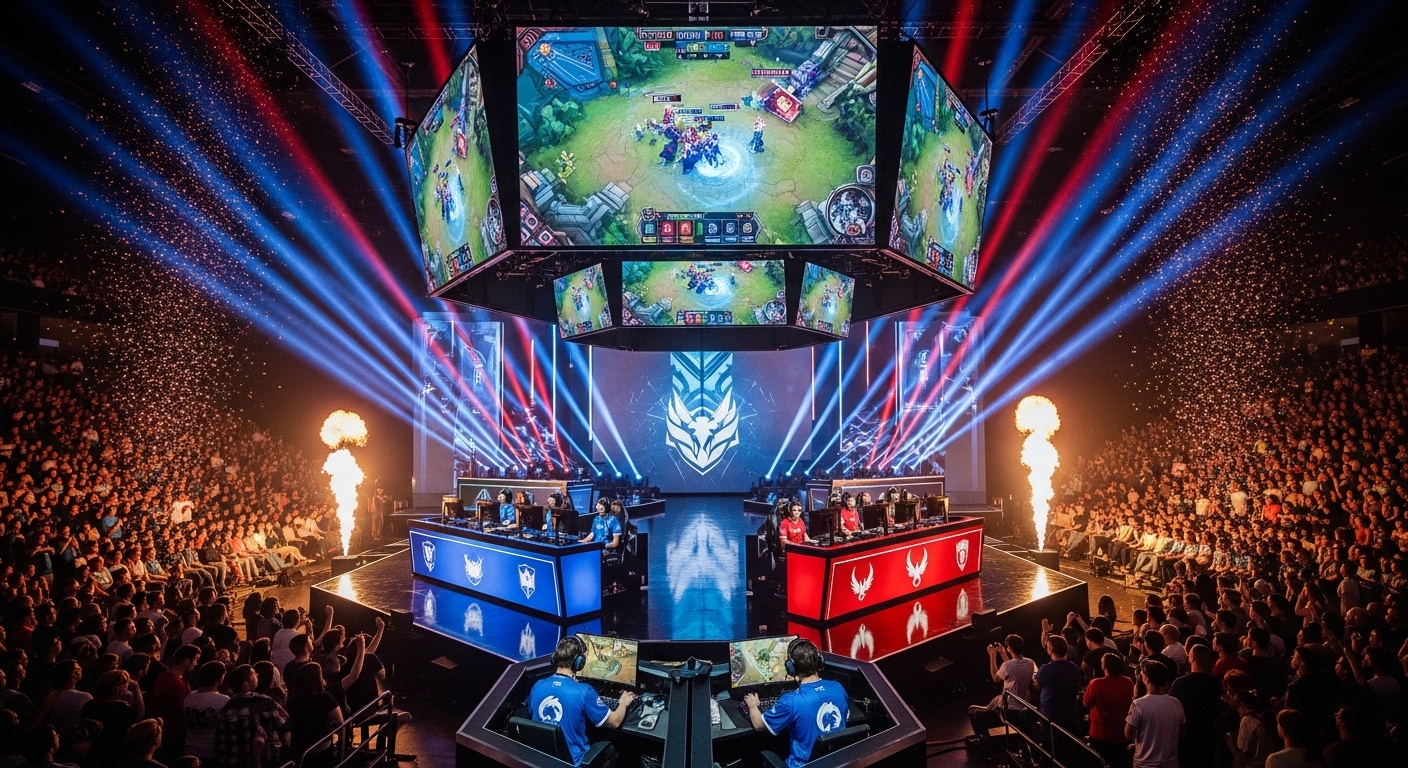
Esports has a worldwide audience that spans continents, cultures, and age groups. Major tournaments attract millions of online viewers and fill large arenas, rivaling traditional sports events in popularity. Streaming platforms allow fans to watch live matches, interact with players, and engage in online communities. This global connectivity has created a vibrant culture where players and fans share strategies, celebrate victories, and build lasting communities.
Economic Impact and Career Opportunities
The esports industry has become a multi-billion-dollar ecosystem. Revenue streams include tournament winnings, sponsorships, merchandise, advertising, and streaming subscriptions. Beyond professional players, esports offers career opportunities in coaching, content creation, event management, marketing, and broadcasting. The economic growth of esports demonstrates that gaming is not just entertainment—it is a viable career path and a significant contributor to the digital economy.
Challenges Facing Esports
Despite its rise, esports faces several challenges. Critics sometimes question whether gaming qualifies as a sport, while players must manage mental stress, long practice hours, and physical strain. Additionally, maintaining fairness and integrity in competitions is crucial, as cheating and unethical practices can damage the industry’s credibility. Addressing these issues is essential for sustainable growth and long-term success.
The Future of Esports
The future of esports is full of promise. Emerging technologies like virtual reality, augmented reality, and artificial intelligence are expected to enhance both gameplay and viewer experiences. Educational institutions are beginning to recognize esports programs, offering scholarships and training for aspiring players. As the industry continues to grow, esports is likely to become a mainstream form of entertainment, education, and professional development.
Conclusion: Beyond Entertainment
Esports is more than just gaming; it is a global phenomenon that combines skill, strategy, and community. It offers entertainment, career opportunities, and cultural significance in the digital age. As technology advances and audiences expand, esports is redefining the meaning of competition and shaping the future of sports in a connected world.