Introduction
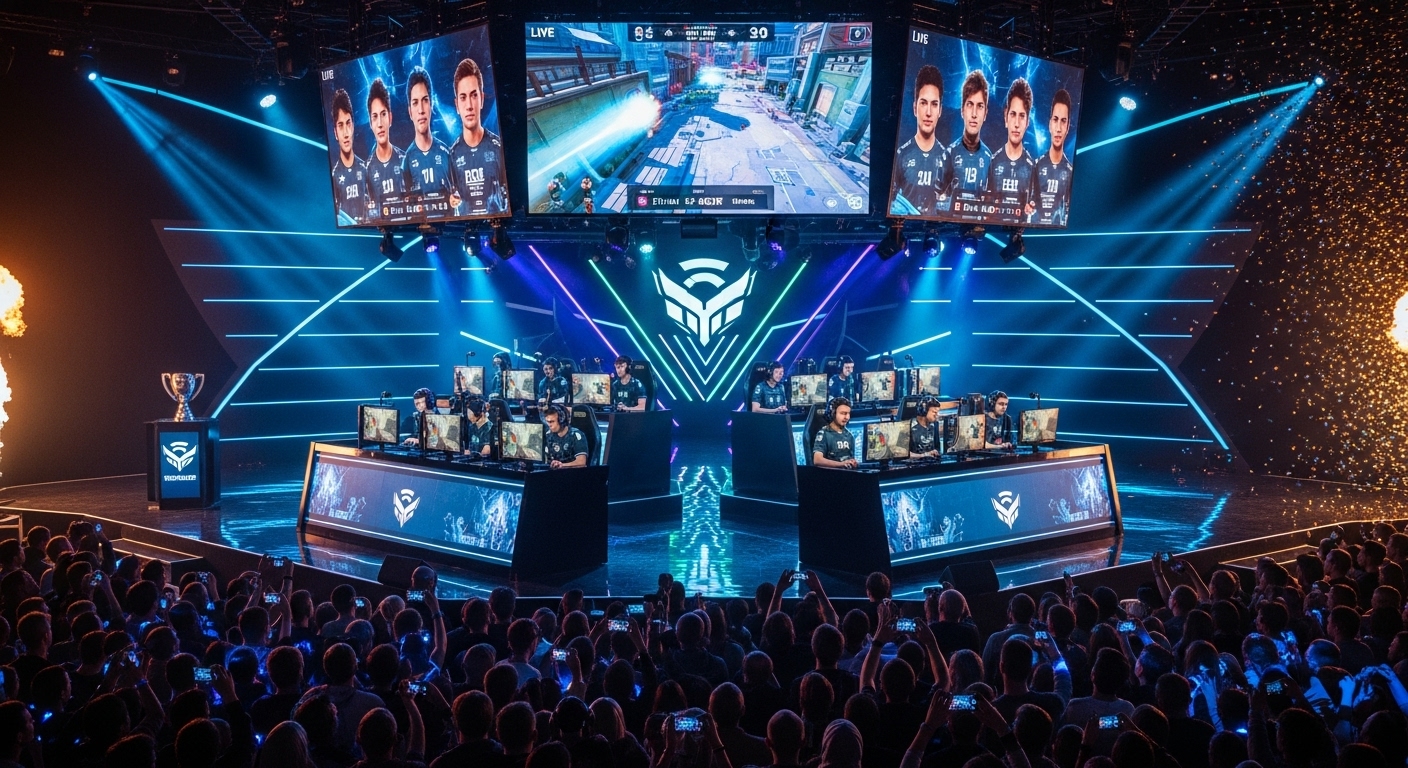
Esports, or electronic sports, has evolved into a global phenomenon, transforming gaming from a casual hobby into a highly competitive industry. Millions of players compete professionally, while fans around the world watch live tournaments and cheer for their favorite teams. Esports is not only a form of entertainment but also a platform for skill development, teamwork, and innovation in the world of digital competition.
The Rise of Esports
Esports has grown rapidly over the past two decades. What started as small gaming competitions in arcades and local communities has now become a multi-billion-dollar industry. Titles like League of Legends, Dota 2, Counter-Strike, and Fortnite have professional leagues, world championships, and massive fan followings. The growth of streaming platforms and online tournaments has made it possible for millions to watch and participate, creating a global esports culture.
Skills and Strategy in Esports
Competitive gaming requires more than fast reflexes. Players must demonstrate strategic thinking, quick decision-making, and precise coordination with teammates. Games like multiplayer online battle arenas (MOBAs) or first-person shooters demand critical analysis, adaptability, and leadership. Esports players train rigorously, often for hours a day, honing both their technical and mental abilities to compete at the highest level.
Esports as a Career
Esports has created opportunities far beyond playing games. Professional players can earn significant income through tournaments, sponsorships, and streaming. Careers in coaching, analysis, commentary, content creation, and event management have also emerged. This industry allows talented individuals to turn their passion into a sustainable career, highlighting gaming as a legitimate professional pursuit.
Community and Social Impact
Esports has a unique social dimension. Online multiplayer games foster teamwork, collaboration, and communication. Fans and players form communities that transcend geographical boundaries, bringing people together through shared interests. Live events and tournaments encourage interaction, while leaderboards and competitions create friendly rivalries and motivation for improvement.
Technology and Innovation in Esports
Technology is at the core of esports’ success. High-speed internet, powerful gaming hardware, and advanced software enable competitive play at a professional level. Innovations like live streaming, virtual reality, and artificial intelligence are enhancing the esports experience, making it more immersive and interactive. The continuous evolution of technology ensures that esports remains dynamic and engaging.
The Future of Esports
The future of esports looks promising. With virtual reality, augmented reality, and AI integration, the gaming experience will become increasingly immersive and accessible. Educational institutions are beginning to recognize esports programs, while companies continue to invest in tournaments and leagues. Esports is set to expand its influence, blurring the lines between traditional sports, entertainment, and digital innovation.
Conclusion
Esports has redefined what it means to compete in the digital age. It combines skill, strategy, teamwork, and entertainment, offering opportunities for players and fans alike. From casual gamers to professional athletes, esports has become a global platform that celebrates talent and innovation. As technology continues to advance, esports will remain at the forefront of digital entertainment, shaping the future of competition and gaming culture.