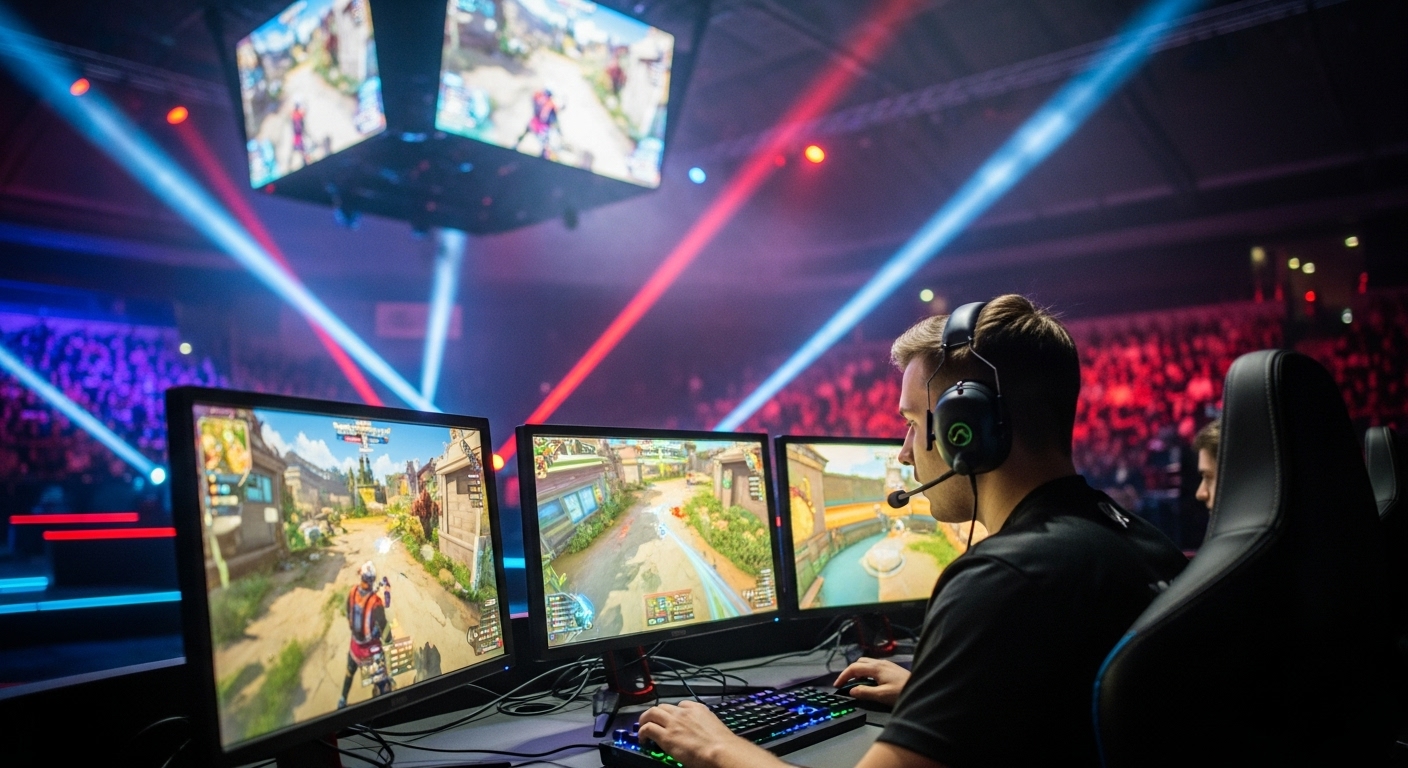
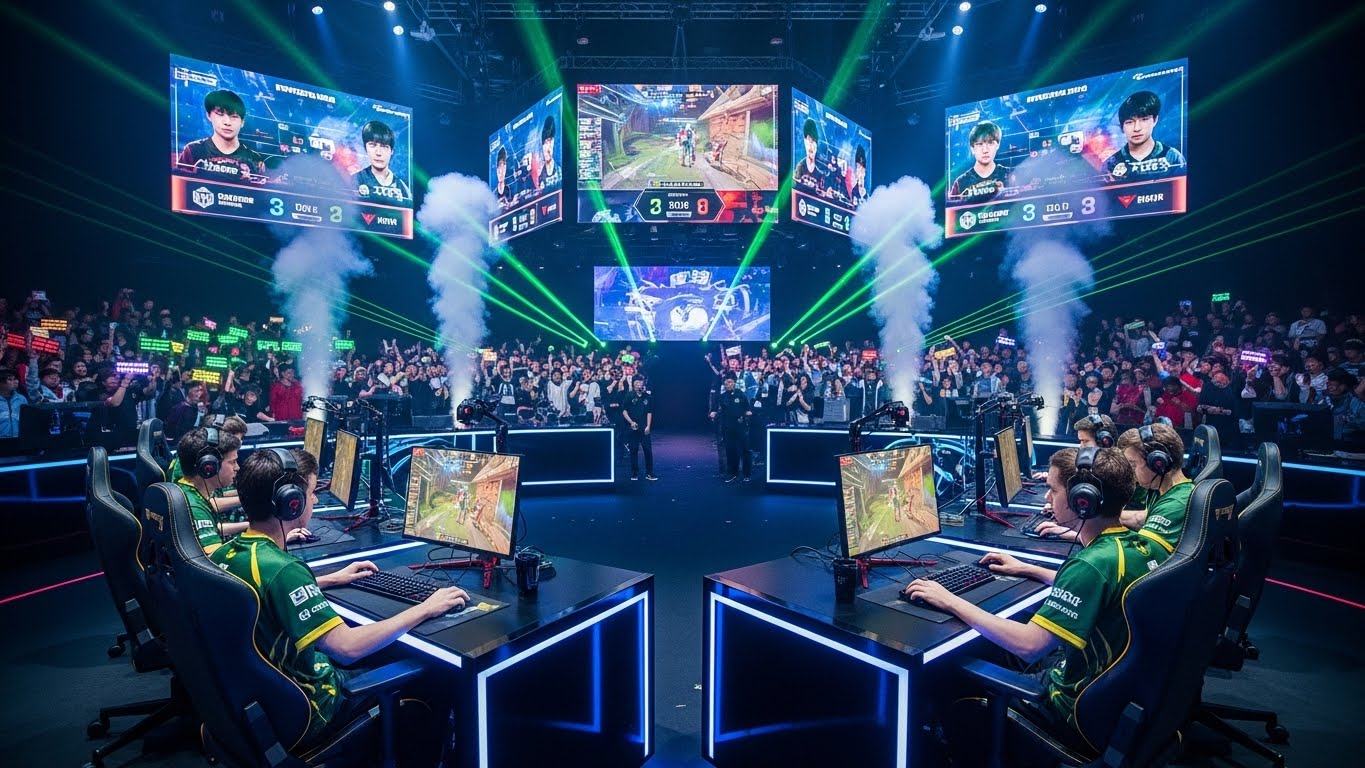
The world of esports has exploded over the past decade, transforming from a niche gaming community into a mainstream, billion-dollar industry. As competitive gaming gains global recognition, it has started to attract not only gamers but also professional athletes from traditional sports. From basketball legends to football stars, many traditional athletes are now stepping into the esports scene as players, investors, and team owners. This crossover is reshaping the boundaries between physical and digital sports, creating a new era of competition and entertainment.
In this detailed blog, we will explore how traditional athletes enter the esports world, the reasons behind their involvement, the roles they play, and the impact they bring to the industry.
The Convergence of Sports and Esports
At first glance, traditional sports and esports may seem worlds apart. One involves physical prowess, the other digital precision. However, both share fundamental similarities — competition, teamwork, strategy, and fan engagement. This common ground has made it natural for traditional athletes to see esports not as competition but as an extension of their sporting spirit.
Esports, like traditional sports, requires discipline, mental agility, coordination, and dedication. Professional gamers train for long hours, review strategies, and compete under immense pressure — much like athletes on the field or court. This parallel structure has made esports a familiar and appealing domain for traditional athletes looking for new challenges or business ventures after their sports careers.
Motivations Behind the Move into Esports
There are several key reasons why traditional athletes are entering the esports industry:
1. Passion for Gaming
Many athletes have grown up playing video games in their free time. For them, entering esports is a natural extension of a lifelong hobby. Games like Call of Duty, FIFA, NBA 2K, and Fortnite are especially popular among professional athletes.
Athletes like Gordon Hayward (NBA), Sergio Agüero (football), and JuJu Smith-Schuster (NFL) have openly shared their passion for gaming long before they formally joined or invested in esports. Their genuine interest makes their involvement authentic and relatable to fans.
2. Expanding Their Personal Brand
Athletes understand that their careers in traditional sports have limited durations. Esports offers them a new way to stay relevant and expand their personal brand into digital entertainment.
By entering the esports world, athletes can reach younger, tech-savvy audiences who might not follow traditional sports. They build their digital presence through streaming, social media, and collaborations with gaming influencers. This helps them transition smoothly into the world of entertainment even after retiring from active sports.
3. Business Opportunities and Investments
The esports industry’s explosive growth has created lucrative investment opportunities. With global revenues reaching billions annually, many athletes see esports as a smart business move.
They invest in or create their own esports teams, organizations, and gaming brands. For instance, NBA star Stephen Curry has invested in esports organizations, while footballer David Beckham co-founded Guild Esports, which competes in games like FIFA, Valorant, and Rocket League.
Athletes leverage their financial resources and fame to build sustainable ventures that capitalize on esports’ expanding market.
4. Building Fan Communities
Esports provides athletes a unique way to connect with fans beyond the physical boundaries of stadiums and arenas. Live streaming platforms allow them to interact directly with audiences while playing their favorite games.
Fans can engage with athletes on a more personal level through chat interactions, gaming sessions, and social media collaborations. This deeper connection strengthens their fanbase and humanizes their public image.
5. The Future of Competitive Entertainment
Many athletes recognize that esports is the future of competitive entertainment. As virtual and augmented reality continue to evolve, esports may become even more immersive and mainstream. Traditional athletes who join early position themselves as pioneers in this new wave of digital sports.
Different Ways Traditional Athletes Enter Esports
Traditional athletes engage with the esports ecosystem in several distinct ways. Let’s look at the main paths they take.
1. Becoming Investors or Team Owners
Investment is the most common way athletes enter esports. They purchase ownership stakes in existing teams or start their own esports organizations.
For example:
- David Beckham co-founded Guild Esports, a UK-based organization competing in multiple games.
- Michael Jordan invested in aXiomatic Gaming, the parent company of Team Liquid, one of the biggest esports teams in the world.
- Shaquille O’Neal invested in NRG Esports, helping boost its visibility and business potential.
- Steph Curry and Andre Iguodala invested in competitive gaming companies and esports startups.
These athletes bring not only funding but also global recognition, credibility, and marketing influence, which helps legitimize esports as a serious competitive field.
2. Founding Their Own Esports Teams
Some athletes go beyond investment and take a hands-on role in running their own teams. They hire managers, coaches, and professional gamers to represent their brand in tournaments.
For example:
- Ronaldo Nazário, the Brazilian football legend, co-owns CNB e-Sports Club in Brazil.
- Gareth Bale founded Ellevens Esports, focusing on FIFA and other popular titles.
- Rick Fox, former NBA player, founded Echo Fox, which competed in League of Legends and Counter-Strike: Global Offensive.
These ventures allow athletes to combine their competitive instincts with entrepreneurship, building organizations that reflect their personal vision.
3. Streaming and Content Creation
Many athletes become part-time streamers or content creators, using platforms like Twitch and YouTube to broadcast their gaming sessions.
This route doesn’t require owning a team — it allows them to connect with fans casually while showcasing their gaming skills. Athletes like Neymar Jr., JuJu Smith-Schuster, and Paul George regularly stream games like Call of Duty: Warzone, Fortnite, and FIFA.
Their streams attract thousands of viewers, often blending sports, gaming, and lifestyle content. This strengthens their fan engagement and allows them to collaborate with professional gamers and influencers.
4. Participating in Celebrity Esports Tournaments
Many organizations host celebrity gaming tournaments featuring traditional athletes. These events bring mainstream sports audiences into the esports world while raising funds for charity or promoting brands.
Examples include NBA 2K tournaments hosted by the NBA itself, where real-life players compete against each other virtually. Similarly, during the pandemic, many athletes joined online competitions in Call of Duty and FIFA, keeping fans entertained even when traditional sports were paused.
Challenges Athletes Face in Esports
While the crossover between sports and esports is exciting, it’s not without challenges.
1. Understanding Esports Culture
Esports has its own culture, language, and community dynamics. Athletes must respect and adapt to this environment rather than treating it as a publicity tool. Authenticity matters; the esports community values genuine passion over marketing stunts.
2. Technical and Strategic Complexity
Esports games can be highly technical. Even athletic superstars might struggle to compete with seasoned gamers who have mastered every detail of the game. It takes time, effort, and humility to reach a competitive level.
3. Managing Expectations
Fans from traditional sports might expect immediate dominance from their favorite athletes in esports, but competitive gaming requires different skills. Athletes need to balance their public image and performance expectations.
4. Business Risks
Owning or investing in esports teams can be risky. The industry is still evolving, and profitability depends on factors such as sponsorships, audience growth, and brand management. Not all esports ventures guarantee success, and some organizations struggle with sustainability.
Benefits of Athletes in Esports
Despite the challenges, the entry of traditional athletes brings tremendous benefits to the esports ecosystem.
1. Mainstream Recognition
When high-profile athletes enter esports, it draws mainstream attention and legitimacy to the industry. It bridges the gap between digital entertainment and traditional sports.
2. Investment and Infrastructure Growth
Athletes often bring significant financial backing, helping esports organizations expand facilities, training programs, and events. Their involvement fuels professionalization and innovation within the scene.
3. Cross-Audience Engagement
Athletes introduce their sports fans to the esports world, expanding the audience base. This crossover encourages more people to explore gaming as a legitimate competitive pursuit.
4. Global Collaboration and Inspiration
Athletes serve as role models for discipline, training, and performance. Their entry into esports encourages gamers to approach competition with professionalism and focus, bridging the gap between mental and physical sports preparation.
Examples of Traditional Athletes Thriving in Esports
Several athletes have successfully transitioned into esports and made a mark:
- Neymar Jr. – A passionate gamer who streams Counter-Strike: Global Offensive and Call of Duty.
- David Beckham – Co-founder of Guild Esports, blending sports marketing and gaming expertise.
- Michael Jordan – Investor in Team Liquid, supporting esports expansion globally.
- Shaquille O’Neal – Part of NRG Esports, helping grow the organization’s reach and branding.
- Rick Fox – Founder of Echo Fox, an early pioneer in merging sports management and esports.
- Sergio Agüero – Founder of KRÜ Esports, a competitive team in Valorant and Rocket League.
Each of these figures brings a different perspective — as investors, entrepreneurs, or creators — and all contribute to esports’ legitimacy and growth.
The Future of Traditional Athletes in Esports
As esports continues to expand globally, the presence of traditional athletes will likely grow stronger. We can expect to see more collaborations between sports leagues and esports organizations, joint tournaments, and even cross-training programs that combine physical fitness with gaming performance.
Virtual and augmented reality technologies could further blur the line between traditional sports and esports, offering hybrid competitions where physical and digital skills merge.
Educational institutions and sports academies are already incorporating esports into their programs, paving the way for future generations of athletes to embrace both worlds seamlessly.
Conclusion
The entry of traditional athletes into esports marks a powerful moment in the evolution of sports and entertainment. What was once considered a casual hobby is now recognized as a serious, competitive, and profitable industry that attracts some of the world’s most iconic sports figures.
Athletes bring credibility, investment, and global attention to esports, while esports offers them a new arena to express competition, strategy, and creativity. Together, they are shaping a future where the boundaries between physical and digital sports disappear, uniting fans across generations and platforms.
As technology continues to advance and both industries intertwine, one thing is clear: the partnership between traditional athletes and esports will continue to redefine what it means to be a competitor in the modern age.