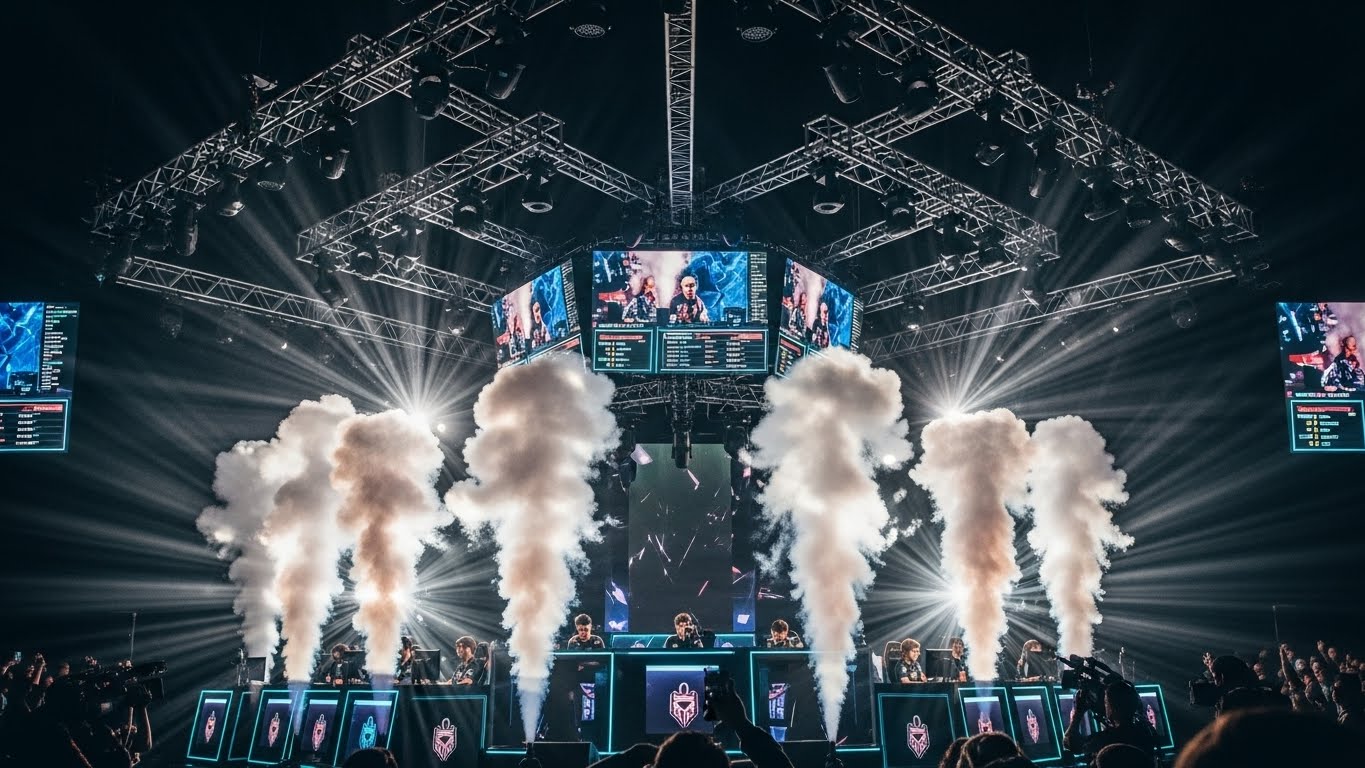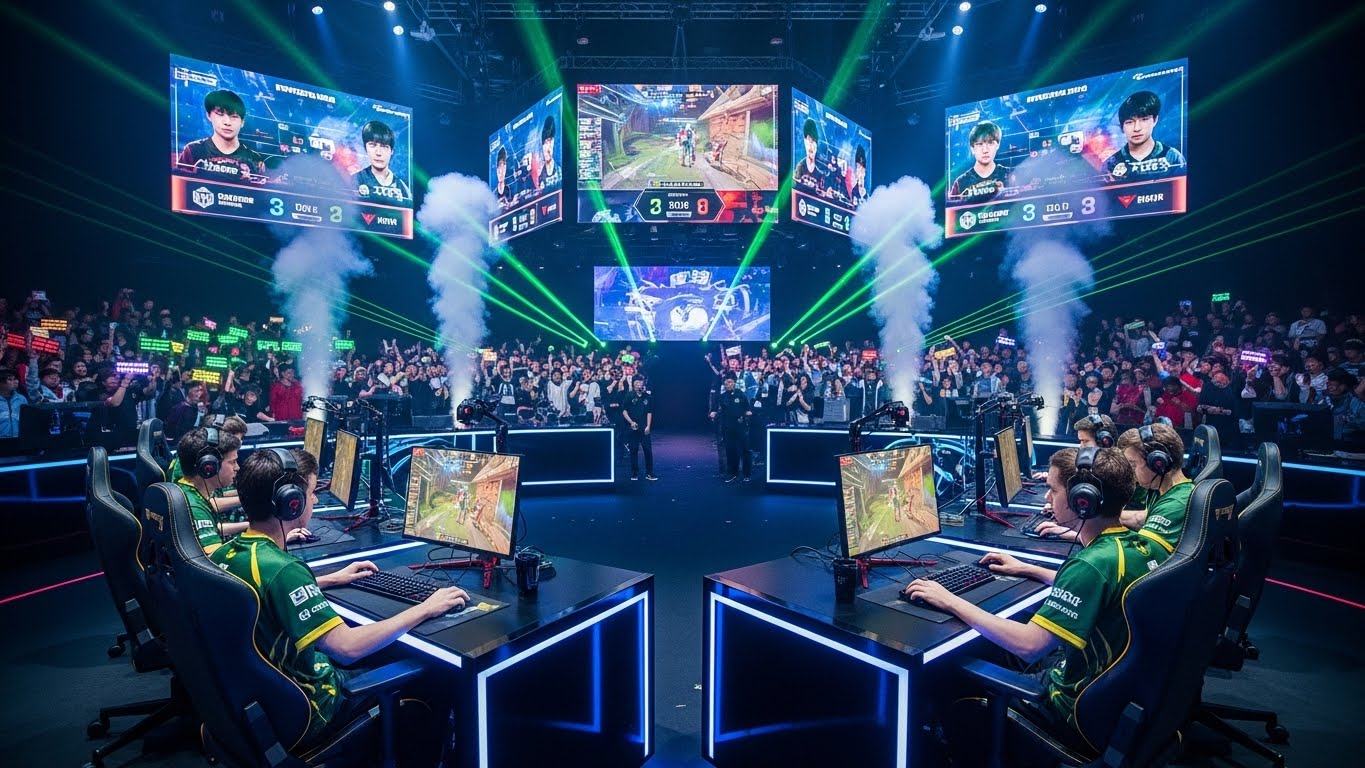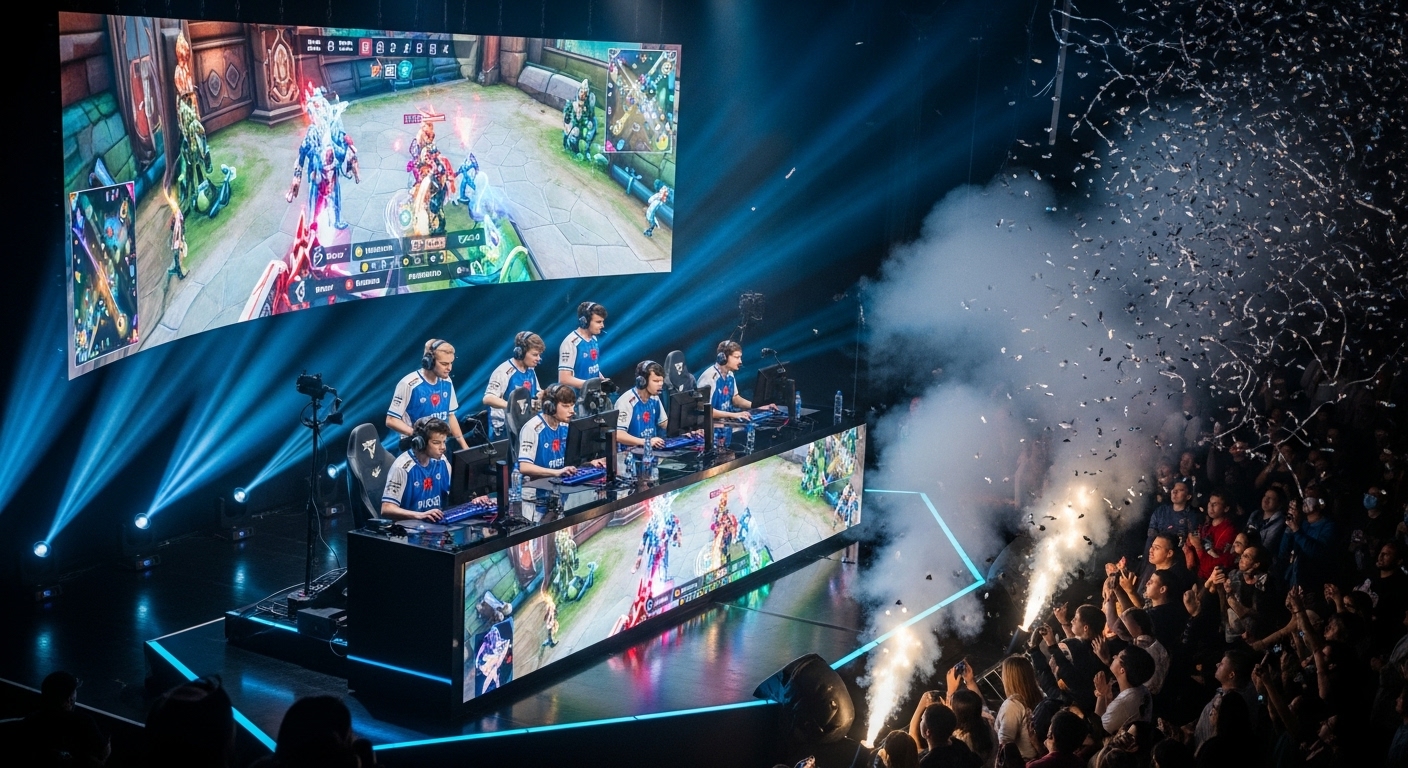
For decades, gaming was often misunderstood by families around the world. Many parents saw it as a distraction, a time-waster, or even a harmful activity that took away from education and social life. Sitting for hours in front of a screen was rarely viewed as something meaningful or productive. However, in recent years, esports has transformed that perception. What was once considered a hobby is now recognized as a serious industry that blends technology, entertainment, and competition — creating new opportunities and reshaping how families view gaming altogether.
Esports has become a bridge between generations, proving that gaming can foster teamwork, discipline, and even career growth. Families that once discouraged gaming are now cheering for their children in tournaments, attending live esports events, and celebrating gaming achievements the same way they would for traditional sports.
In this blog, we will explore how esports is changing family attitudes toward gaming, what this shift means for parents and children, and how it’s creating a new culture of support and understanding in modern households.
1. From Hobby to Profession: Changing the Narrative
In the past, the idea that someone could make a living playing video games seemed unrealistic. But today, esports has redefined gaming as a legitimate career path. Professional players earn salaries, sponsorships, and endorsement deals. They travel the world, compete in stadiums filled with thousands of fans, and are recognized as global celebrities.
When families see young players achieving fame, financial stability, and personal growth through esports, it changes their perception entirely. What once seemed like “just playing games” now looks like training for a professional sport — one that demands skill, intelligence, and commitment.
Parents who witness these opportunities begin to understand that gaming can be more than leisure. It can be a gateway to careers in technology, media, broadcasting, event management, game design, or content creation. This transformation in understanding helps families embrace gaming as a serious pursuit rather than a childish distraction.
2. The Rise of Esports Scholarships and Education
One of the biggest factors changing family perception of gaming is the emergence of esports scholarships and academic programs. Universities and schools across the world now recognize esports as a discipline that fosters teamwork, leadership, and strategic thinking.
When parents hear that students can earn scholarships for esports — just like they can for basketball or soccer — it shifts their mindset dramatically. Institutions offering esports programs not only validate gaming but also encourage families to see it as an avenue for personal and educational growth.
These programs teach valuable skills such as communication, time management, and technological literacy. For families who once worried that gaming had no future, this connection between gaming and education provides a sense of reassurance. They realize their children can both study and compete, learning how to balance their passions responsibly.
3. Family Support in Esports Careers
As esports continues to gain mainstream attention, more families are becoming active supporters of their children’s gaming ambitions. Parents who once criticized gaming are now buying equipment, attending tournaments, and helping organize practice schedules.
This support changes the relationship between parents and children. Instead of arguments about “too much screen time,” families are having discussions about goals, strategies, and achievements. Parents are learning about the games their children love, understanding how tournaments work, and even sharing the excitement of victories and defeats.
This shared interest fosters communication, trust, and emotional connection within families. Gaming becomes a shared journey rather than a point of conflict.
4. Breaking Down Old Stereotypes
For many years, gaming was unfairly labeled as an activity that promoted laziness, violence, or social isolation. Esports challenges those outdated stereotypes by showing the positive aspects of gaming — teamwork, critical thinking, problem-solving, and communication.
Professional esports players follow rigorous schedules. They practice daily, review replays, develop strategies, and train both mentally and physically to stay sharp. Families who learn about this discipline begin to see gaming as a structured, goal-driven activity.
The more parents understand the professional standards and teamwork involved, the less they associate gaming with negative habits. They start to view it as a form of modern athletics — one that exercises the mind as much as traditional sports exercise the body.
5. Teaching Responsibility and Balance
One of the most powerful impacts of esports on family perception is how it teaches responsibility and time management. Successful gamers must balance training, studying, and personal life. This discipline helps parents see that gaming doesn’t necessarily lead to neglecting responsibilities — it can actually build habits of consistency and self-control.
Families who support their children’s esports ambitions often work together to set healthy routines. They create schedules that include practice time, education, rest, and physical activity. This cooperative approach helps establish boundaries while also fostering mutual respect.
When parents witness their children taking gaming seriously — setting goals, managing time, and learning from failure — they realize that esports can cultivate valuable life skills.
6. The Role of Streaming and Content Creation
Streaming platforms have played a huge role in changing how families view gaming. Today, thousands of gamers make a living through live streaming, commentary, and video creation. They build communities, engage with fans, and turn their love of gaming into full-time careers.
When families see young people succeeding as streamers or esports commentators, they start to understand that gaming can be a form of entrepreneurship. It combines entertainment, marketing, and business skills.
Many parents who once worried about gaming distractions now help their children with content creation — learning about video editing, branding, and online safety together. This shared involvement deepens their appreciation for the creativity and hard work behind gaming success.
7. Esports as a Family-Building Activity
In some households, gaming has become a way for families to spend time together. Parents and children play cooperative games, watch esports tournaments, or discuss gaming strategies as a shared interest.
This dynamic transforms gaming from an isolating experience into a social one. Families bond through teamwork, laughter, and competition, building connections across generations.
Parents who take part in their children’s gaming activities also gain a better understanding of what makes gaming so engaging. They see firsthand the excitement, challenge, and collaboration involved — and this leads to empathy and appreciation.
Esports has, in many ways, redefined what family entertainment can be. Instead of watching television together, many families now cheer for their favorite esports teams or play friendly matches on weekends.
8. Recognizing Mental and Cognitive Benefits
Another reason families are changing their views on gaming is the growing awareness of its cognitive and psychological benefits. Studies have shown that gaming can enhance focus, reflexes, strategic thinking, and multitasking abilities.
Competitive gaming requires high levels of mental endurance, quick decision-making, and adaptability. Families that see their children improving in these areas — such as concentration and analytical thinking — realize that gaming can strengthen the mind, not weaken it.
In addition, esports helps build emotional resilience. Players learn to handle pressure, overcome losses, and maintain composure under stress. Parents observing these traits develop a newfound respect for the psychological strength required to succeed in esports.
9. Bridging the Generation Gap
One of the most beautiful outcomes of esports’ growth is its ability to bridge generational divides. In many families, parents grew up in eras where gaming was not mainstream. Their initial lack of understanding often caused conflict or disapproval.
But as esports becomes part of global culture, parents are learning alongside their children. They attend events, watch live streams, and educate themselves about different gaming titles. This shared learning experience narrows the gap between generations.
Younger players also take pride in teaching their parents about their favorite games. This reversal of roles — where children become the experts — empowers them and creates deeper mutual respect. Families begin to appreciate gaming not just as entertainment, but as a form of art, strategy, and technology.
10. Career Diversity Beyond Playing
Esports is more than just competing in tournaments. It’s a massive industry that involves coaches, analysts, designers, commentators, journalists, and marketing professionals. This variety of career paths has helped families understand that gaming can open doors to multiple opportunities.
A child who loves gaming might not become a professional player, but they could pursue a career in game design, event production, or digital marketing. Parents who see this range of possibilities begin to support gaming interests more confidently, recognizing that their children’s skills can be applied in numerous fields.
This awareness transforms gaming from a narrow pursuit into a broad ecosystem of learning, innovation, and creativity.
11. Esports as a Tool for Social Development
Gaming communities are often places where young people learn teamwork, leadership, and communication — skills that extend far beyond the screen. Esports competitions encourage collaboration and collective problem-solving, helping players learn how to work with diverse teams under pressure.
Families who witness this development recognize that gaming can teach real-world social values. Players must respect opponents, cooperate with teammates, and manage conflict — just like in traditional workplaces or social settings.
This realization helps parents see gaming not as isolation, but as an avenue for building social intelligence and emotional maturity.
12. Overcoming the Stigma of “Wasting Time”
Perhaps the most significant transformation esports has brought to family perception is removing the stigma of wasted time. In earlier decades, hours spent gaming were seen as unproductive. But as professional esports, streaming, and gaming-related careers grow, families are realizing that those hours can be an investment in skill-building and self-development.
When parents see their children setting goals, entering competitions, or even earning money through esports, they begin to value the effort. Gaming is no longer viewed as idle play — it’s seen as practice, improvement, and dedication to a craft.
This shift in perception is monumental. It validates gaming as a meaningful pursuit that can lead to personal growth, just like music, art, or sports.
13. The Importance of Family Guidance
Even as esports gains legitimacy, family involvement remains essential. Parents play a crucial role in helping their children maintain balance, handle online challenges, and make responsible decisions.
Families that actively guide and support their children in esports often see the best results. They help with time management, ensure academic responsibilities are met, and teach online safety. This partnership builds trust and mutual respect.
By understanding the world of esports rather than opposing it, families empower their children to chase dreams safely and responsibly.
14. A New Era of Acceptance
Today, esports stands as a global phenomenon that commands the respect of millions. Families are no longer asking whether gaming is valuable — they’re asking how to support it effectively.
Parents who once feared gaming now celebrate it. Schools and communities organize tournaments. Families attend esports events together, cheering for local teams. The transformation from skepticism to acceptance marks a cultural shift that defines the modern digital generation.
This evolution shows that understanding leads to appreciation. Once families see the creativity, discipline, and opportunity behind esports, they no longer view gaming as a threat but as a powerful tool for growth.
Conclusion
Esports has redefined how families perceive gaming. What was once seen as a distraction has evolved into a platform for learning, creativity, and professional achievement. It has turned living rooms into arenas, parents into fans, and players into role models.
Through esports, families are learning to embrace modern technology while maintaining traditional values of hard work, teamwork, and perseverance. The conversation has shifted from “stop playing games” to “how can we support your dream?”
This change is more than cultural — it’s generational. Esports is not just changing the gaming industry; it’s changing how families connect, communicate, and grow together.
As the next generation continues to explore the limitless potential of gaming, one thing becomes clear: esports doesn’t just build champions — it builds understanding, unity, and new possibilities for families everywhere.