Introduction: From Basements to Stadiums
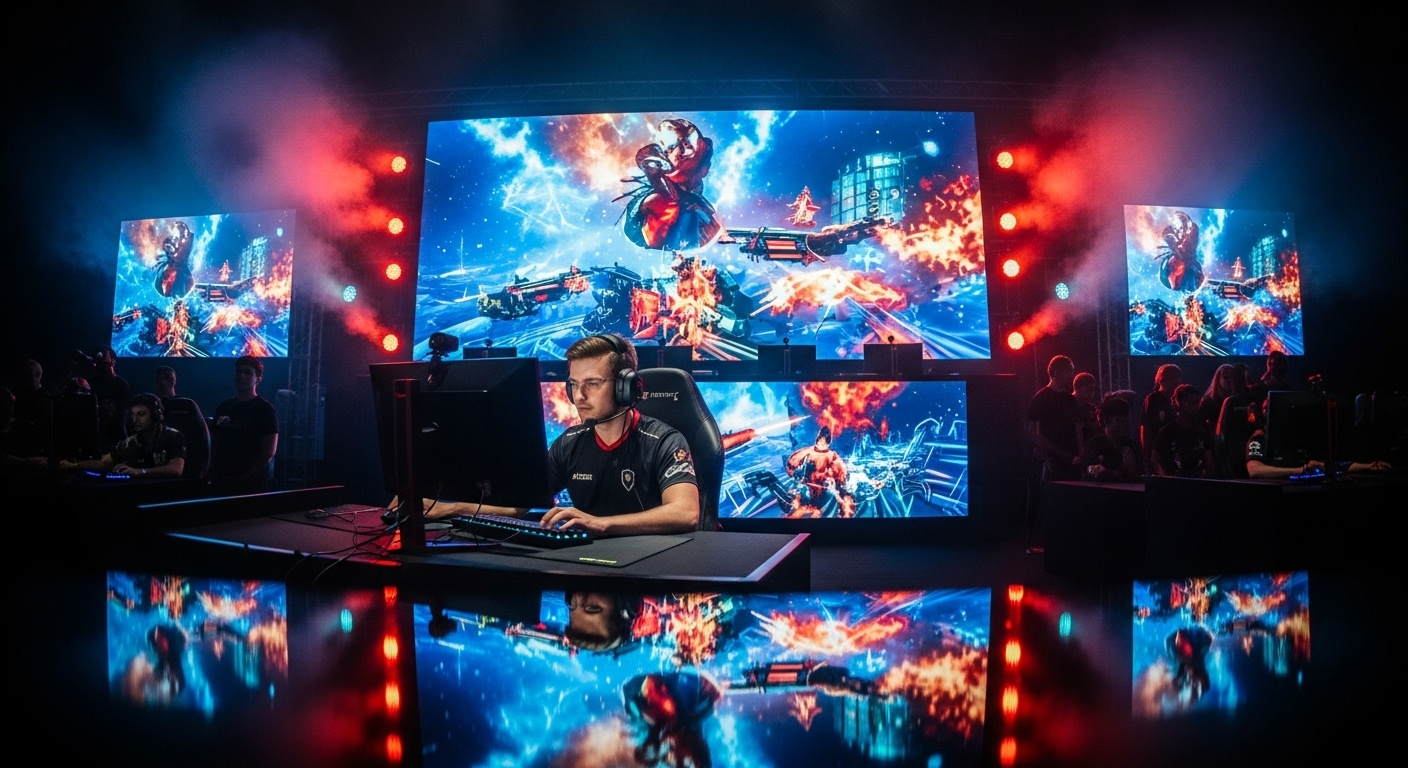
Once dismissed as a hobby or a way to waste time, video games have evolved into one of the most exciting and profitable industries in the world. Esports—short for electronic sports—has transformed gaming into a professional, organized, and competitive global phenomenon. It’s no longer just friends gathering in basements for late-night matches; it’s a billion-dollar industry filling entire arenas, watched by millions online, and shaping the future of entertainment.
The rise of esports isn’t an overnight success story. It’s the product of decades of innovation, community building, and technological advancement. From early computer gaming tournaments in the 1980s to massive global competitions today, esports has rewritten the rules of sports, entertainment, and even culture itself.
The Origins of Competitive Gaming
The roots of esports go back further than most people realize. In 1972, Stanford University hosted what is widely considered the first video game competition—the “Intergalactic Spacewar Olympics.” The prize? A year’s subscription to Rolling Stone magazine. It sounds small today, but it planted a seed that would grow into a global movement.
During the 1980s, video games moved from universities and arcades into homes with consoles like the Atari and Nintendo Entertainment System. High scores became a source of pride, and publications like Twin Galaxies began tracking them, fueling competition among players around the world. By the time the 1990s arrived, online gaming and local tournaments began connecting players in new ways, allowing for real-time competition that transcended geography.
One of the earliest signs of what esports could become came from games like Street Fighter II and StarCraft. Arcades filled with players mastering combos and strategies, while internet cafes in South Korea turned StarCraft into a national pastime. Suddenly, gaming wasn’t just about fun—it was about mastery, skill, and recognition.
The 2000s: The Foundation of Modern Esports
The 2000s marked the beginning of organized, large-scale esports as we know it. Broadband internet became widespread, online multiplayer games exploded in popularity, and streaming platforms began to emerge. Games like Counter-Strike, Warcraft III, and Halo built dedicated competitive scenes with structured tournaments and professional teams.
During this time, South Korea took the global lead. The country treated esports with the same respect as traditional sports, even establishing government-backed associations and television networks dedicated to broadcasting matches. Players like Lim “BoxeR” Yo-hwan became national icons, and packed stadiums in Seoul showcased just how far gaming had come.
In the West, esports also began to take shape. Organizations such as Major League Gaming (MLG) in the United States brought legitimacy to the scene, providing professional infrastructure, sponsorships, and televised events. Players were signing contracts, earning salaries, and even moving into team houses to train together.
This period laid the groundwork for what was to come—massive investment, international tournaments, and the transformation of gaming into a mainstream spectator sport.
The Streaming Revolution
If the 2000s were about building the foundation, the 2010s were about explosion and expansion. Streaming technology completely changed the game. Platforms like Twitch and YouTube Gaming turned esports into an accessible, global entertainment experience.
Before streaming, fans could only watch esports through limited television coverage or local events. Streaming platforms broke down those barriers. Suddenly, anyone could tune in to live matches, watch their favorite players, and even interact with them through chat. Esports became not just a competition, but a community.
This new level of accessibility allowed esports to grow at an unprecedented rate. Games like League of Legends, Dota 2, Counter-Strike: Global Offensive, and Overwatch built massive fanbases that rivaled traditional sports. Tournaments such as The International and the League of Legends World Championship began offering multimillion-dollar prize pools and production values that matched the Olympics.
Esports as a Career
For many players, esports is more than a passion—it’s a profession. What began as small local tournaments has evolved into a career path that involves rigorous training, sponsorships, and international competition. Top players earn salaries, bonuses, and endorsement deals that can reach seven figures.
A professional esports player’s lifestyle mirrors that of traditional athletes. Teams hire coaches, nutritionists, and analysts to ensure players perform at their best. They follow strict practice schedules, study opponents, and train for hours each day.
But esports careers are not limited to players. The industry has created a vast ecosystem of opportunities. There are roles for coaches, commentators (known as “casters”), event organizers, content creators, marketing professionals, and even psychologists who specialize in managing the mental pressure of competition.
Universities have started offering scholarships for esports athletes, and some even have full-fledged esports programs. This academic recognition further legitimizes gaming as a serious pursuit rather than a hobby.
The Business of Esports
The esports economy is thriving. According to industry reports, it’s now a multi-billion-dollar market that shows no signs of slowing down. Revenue comes from sponsorships, advertising, media rights, ticket sales, and merchandise.
Major brands—some of which have little connection to gaming—are investing heavily in esports. Companies like Coca-Cola, Intel, Red Bull, and Nike have sponsored tournaments or partnered with teams. This influx of investment has elevated the production quality of events, improved player conditions, and helped esports reach mainstream audiences.
Esports organizations now operate much like professional sports franchises. Teams have owners, investors, and branding departments. They sell merchandise, run fan events, and build loyal communities around their identities. The competition for sponsorships and fan engagement is fierce, pushing organizations to innovate constantly.
The Global Stage
Esports isn’t confined to one region or continent—it’s a truly global phenomenon. Asia remains a powerhouse, especially South Korea and China, where professional gaming is deeply embedded in the culture. North America and Europe follow closely, hosting some of the biggest tournaments and producing internationally recognized talent.
Emerging regions like Southeast Asia, the Middle East, and Latin America are rapidly catching up. Countries such as Brazil and the Philippines have massive esports communities that are fueling new waves of talent and enthusiasm.
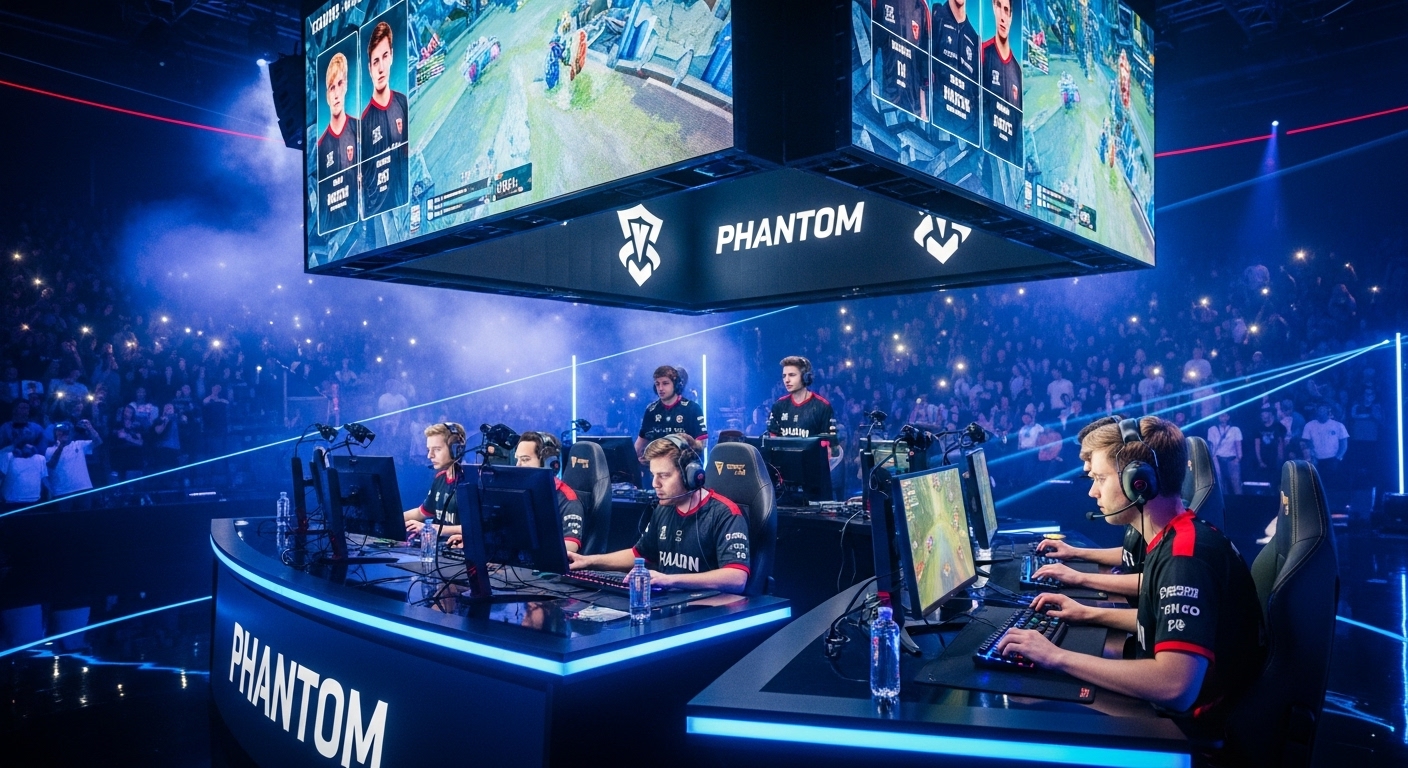
International tournaments have become cultural events, bringing together fans from every corner of the world. Esports arenas are selling out in minutes, with fans waving team banners and chanting just like at football or basketball games. The atmosphere is electric, filled with the same passion and intensity found in any traditional sporting event.
The Role of Technology
The growth of esports is inseparable from technological innovation. Advancements in hardware, software, and internet infrastructure have made competitive gaming faster, smoother, and more immersive.
High-performance PCs, low-latency monitors, and ergonomic peripherals allow players to perform with precision. On the broadcasting side, cutting-edge graphics and real-time data integration have made viewing experiences more dynamic. Spectators can track player stats, see instant replays, and even view games from multiple camera angles—all in real-time.
The future promises even greater possibilities. Virtual reality (VR) and augmented reality (AR) could redefine how fans watch esports. Imagine sitting courtside at a virtual Valorant match or watching a Fortnite tournament unfold around you in 3D. As technology continues to evolve, the line between player and viewer will blur even further.
Challenges Facing Esports
Despite its success, esports isn’t without challenges. One major concern is player burnout. Professional players often start young and face intense pressure to perform. The physical and mental demands of training for long hours can lead to exhaustion and shortened careers.
Another issue is the lack of universal regulation. Unlike traditional sports with centralized governing bodies, esports is fragmented across multiple games and organizations. This fragmentation can lead to inconsistencies in player contracts, prize distributions, and disciplinary actions.
Cheating and match-fixing are also persistent problems. As with any competition involving money, some individuals attempt to exploit the system. Developers and tournament organizers are investing heavily in anti-cheat systems and integrity programs to combat these threats.
Finally, there’s the question of inclusivity. While esports is open to anyone with a computer or console, women and underrepresented groups often face harassment or discrimination in gaming spaces. Many organizations are now addressing these issues head-on, working to create safer, more inclusive environments for everyone.
Esports and Traditional Sports: A New Rivalry
As esports grows, comparisons to traditional sports are inevitable. Some critics argue that video games can’t be considered “real” sports because they lack physical exertion. However, the skills required in esports—strategy, teamwork, reflexes, and endurance—are comparable to those in any sport.
Traditional sports leagues have taken notice. The NBA, NFL, and even Formula 1 have launched their own esports divisions, recognizing the potential to reach younger audiences and expand their brands. The NBA 2K League and F1 Esports Series are prime examples of this crossover.
Interestingly, some athletes are also becoming esports investors or players themselves. They see gaming not as competition, but as a complement to their own worlds. This convergence signals that esports isn’t just an outsider anymore—it’s part of the sports ecosystem.
The Cultural Impact of Esports
Esports has had a profound impact on modern culture. It’s changed the way people think about competition, entertainment, and community.
For a younger generation, esports stars are as influential as musicians or movie actors. Fans follow their favorite players on social media, watch their streams, and even mimic their gameplay styles. This direct connection between fans and players has redefined celebrity culture.
Esports has also influenced fashion, music, and design. Collaborations between gaming brands and fashion houses are becoming common, blending gaming culture with mainstream style. The soundtracks and visuals of esports have seeped into pop culture, shaping trends and redefining cool.
On a social level, esports has brought people together across borders and backgrounds. It provides a shared language of excitement and skill that transcends race, gender, and geography. For many, it’s not just a pastime—it’s a community and a sense of belonging.
The Role of Education in Esports
Education systems are adapting to the rise of esports. Schools and universities are recognizing the potential benefits of gaming—teamwork, leadership, problem-solving, and quick decision-making.
Some schools now have dedicated esports clubs or teams, giving students a structured way to compete. Others offer degrees in esports management, game design, or digital media production. The academic world sees esports as an intersection of technology, business, and creativity—a field worth studying and investing in.
Esports also serves as an entry point into STEM (Science, Technology, Engineering, Mathematics). Many students interested in gaming end up exploring programming, design, or computer science, leading to valuable career paths beyond competition.
Esports and the Media Landscape
Media companies are also adapting to the new world of esports. Major networks have begun broadcasting tournaments, and streaming platforms have become the primary medium for distribution.
What makes esports unique is its interactivity. Viewers can engage directly with content—chat with players, donate to streamers, and even influence in-game events during live broadcasts. This two-way relationship between content creator and audience is something traditional sports broadcasters are still trying to emulate.
Esports journalism has also matured. Dedicated outlets provide match analysis, player interviews, and investigative reporting, adding depth to the scene. The storytelling around esports—its rivalries, underdogs, and triumphs—has made it just as compelling as any traditional sport.
The Future of Esports
The future of esports looks bright, but it’s still evolving. New games will rise, old ones will fade, and the industry will continue to adapt.
Mobile gaming, for instance, has opened esports to billions of players around the world. Games like Mobile Legends and PUBG Mobile have proven that you don’t need expensive equipment to compete at the highest levels. The accessibility of mobile devices ensures that esports continues to grow globally, especially in developing regions.
As technology advances, we’ll likely see more integration between gaming and other forms of entertainment. Concerts held inside video games, crossover events, and collaborations with film and TV will continue to blend the boundaries between media.
Esports may even find a place in the Olympics someday—a topic that continues to be debated but grows more plausible each year. With its international reach, fanbase, and structure, esports already mirrors many aspects of Olympic competition.
Conclusion: More Than Just a Game
Esports has come a long way from its humble beginnings. What started as small competitions among hobbyists has become a global industry that rivals traditional sports in both scale and passion.
But beyond the numbers and tournaments, esports represents something bigger—it symbolizes the power of connection, technology, and creativity. It shows how human competition adapts and thrives, no matter the arena.
The story of esports isn’t finished. In fact, it’s just getting started. With every new generation of players and fans, the world of competitive gaming will continue to evolve, innovate, and inspire.
Esports is no longer a subculture—it’s culture itself.