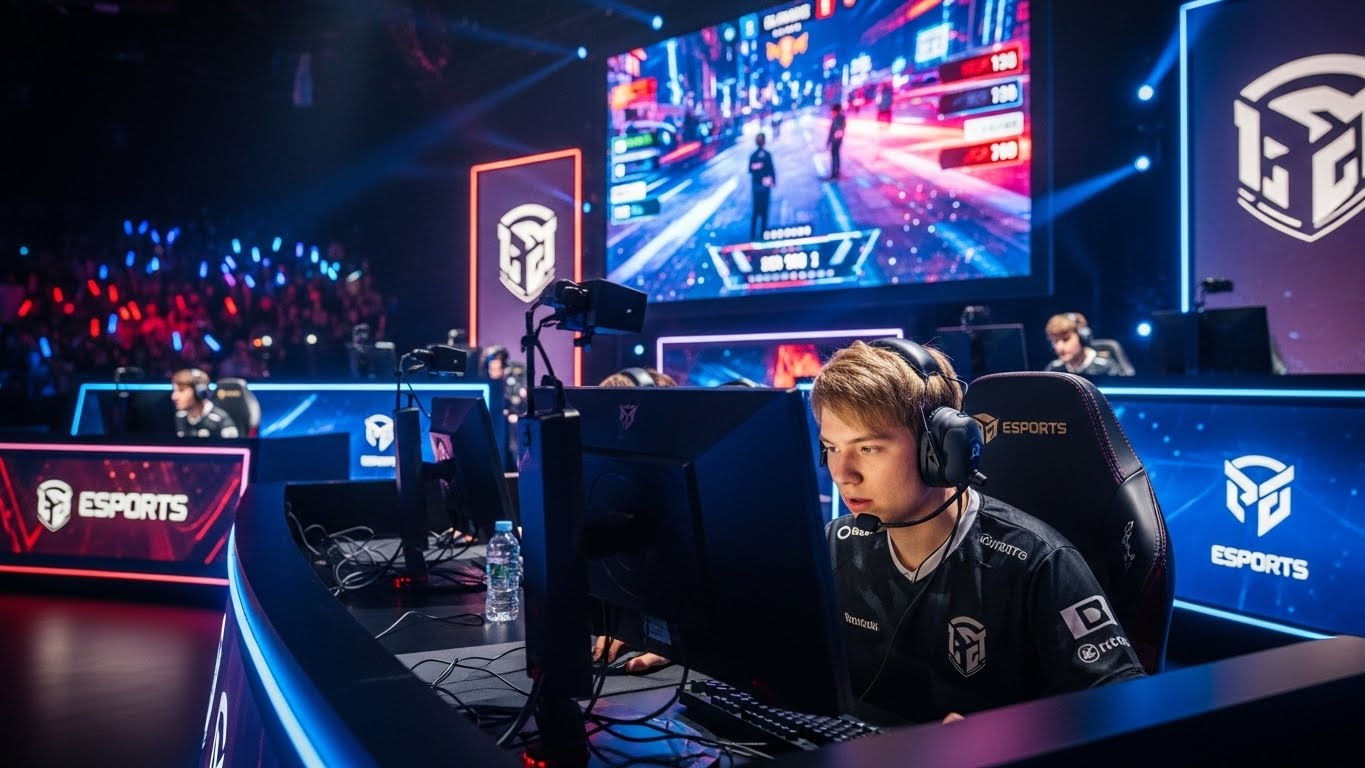
Introduction to Esports
In the last two decades, the world has witnessed a digital revolution unlike any before. Among the most fascinating and transformative developments has been the rise of Esports. What began as small-scale competitions among friends in local gaming cafés has evolved into a billion-dollar industry, drawing global audiences that rival traditional sports events. Esports, short for electronic sports, refers to organized video game competitions where players, often professionals, compete individually or in teams for prestige, recognition, and significant prize money. This industry has developed its own infrastructure, including professional teams, sponsorships, coaches, tournaments, and even dedicated arenas. The evolution of Esports has not only transformed the perception of gaming but also redefined what it means to be an athlete in the modern age.
The Early Days of Competitive Gaming
The roots of Esports can be traced back to the early 1970s when the first known video game competition took place at Stanford University. Players competed in a game called “Spacewar!” for a modest prize. While primitive by today’s standards, it laid the foundation for what would become a massive cultural movement. The 1980s saw the rise of arcade competitions, where players tried to set world records on games like Pac-Man and Donkey Kong. These events drew local crowds and media attention, signaling the growing appeal of competitive gaming.
The 1990s were pivotal for the growth of Esports. With the rise of personal computers and internet connectivity, multiplayer gaming began to flourish. Titles such as Doom, Quake, and StarCraft became early favorites among competitive players. Tournaments like the Red Annihilation Quake competition in 1997 and the founding of the Cyberathlete Professional League (CPL) helped formalize the concept of professional gaming. These developments provided structure and legitimacy to what was once seen as a hobby.
The Internet Boom and Global Expansion
The 2000s marked the true globalization of Esports. The internet became faster and more accessible, allowing players from around the world to compete without physical boundaries. South Korea, in particular, became the epicenter of Esports during this era. The government supported gaming infrastructure, television networks began broadcasting Esports tournaments, and professional gamers became celebrities. Games like StarCraft turned into national phenomena, with players competing in front of massive live audiences.
Simultaneously, Western countries began embracing competitive gaming. The launch of online platforms such as Xbox Live and the rise of PC gaming networks allowed players to connect globally. The emergence of new genres, especially multiplayer online battle arena (MOBA) games and first-person shooters (FPS), fueled Esports’ growth. Titles such as Counter-Strike, Dota, and Warcraft III became household names among gamers.
The Role of Streaming and Digital Media
A major turning point for Esports came with the rise of streaming platforms in the 2010s. Platforms like Twitch and YouTube Gaming revolutionized the way fans consumed Esports content. Viewers no longer needed to attend live events or wait for TV broadcasts; they could now watch their favorite players and teams compete in real-time from anywhere in the world.
This accessibility opened the floodgates to millions of new fans. Esports personalities began building massive followings, and tournaments attracted viewership numbers that rivaled major sports leagues. For instance, world championships for games like League of Legends and Dota 2 have drawn tens of millions of viewers, with prize pools reaching tens of millions of dollars.
Streaming also democratized Esports by providing aspiring players a platform to showcase their skills. Talented individuals who might have gone unnoticed in the past could now gain recognition and sponsorships through their online performances. The result was an ever-expanding community that blurred the lines between players, fans, and entertainers.
Major Esports Titles and Their Impact
Over the years, specific games have shaped the identity and culture of Esports. Each genre brought something unique to the competitive scene, catering to different audiences and skill sets.
In the realm of MOBAs, League of Legends and Dota 2 dominate the scene. League of Legends, developed by Riot Games, has established one of the most structured and global Esports ecosystems, complete with franchised leagues, regional competitions, and world championships. Dota 2, on the other hand, is known for The International, its annual world tournament, which often boasts the largest prize pools in Esports history.
First-person shooters have also played a crucial role. Counter-Strike: Global Offensive and Call of Duty have maintained strong competitive communities for years. These games emphasize teamwork, strategy, and precision, creating some of the most intense and entertaining matches in Esports.
Battle royale games such as Fortnite and PUBG introduced a new dimension to Esports. With massive player counts and unpredictable gameplay, these titles attracted younger audiences and brought Esports into mainstream pop culture. Fortnite’s World Cup in 2019, for instance, crowned a 16-year-old champion who walked away with millions in prize money, proving that age was no barrier to success in this digital arena.
Sports simulation games like FIFA and NBA 2K have also contributed to bridging the gap between traditional sports and Esports. Many professional football clubs and basketball organizations now field Esports teams, merging the worlds of physical and digital competition.
The Business of Esports
Behind the excitement and passion lies a sophisticated business structure that fuels the Esports ecosystem. The industry generates revenue through sponsorships, advertising, media rights, merchandise, and ticket sales. Global brands ranging from tech giants to beverage companies have invested heavily in Esports, recognizing its potential to engage younger audiences who increasingly consume digital entertainment over traditional media.
Esports organizations operate much like traditional sports franchises. They recruit talent, sign sponsorship deals, and compete in various tournaments. Many have diversified into content creation, lifestyle branding, and even fashion collaborations. This commercial evolution has created new career paths for not only players but also coaches, analysts, managers, and production teams.
The involvement of venture capital and corporate investment has further legitimized Esports as a long-term industry. Universities across the world now offer scholarships for Esports athletes, and some educational institutions have integrated gaming into their curriculums as part of media and technology studies.
Esports as a Career Path
Gone are the days when gaming was dismissed as a distraction. Today, Esports offers viable and lucrative career opportunities. Professional players can earn salaries comparable to athletes in traditional sports. Streamers and content creators can build personal brands that attract sponsorships and advertising revenue. Event organizers, game developers, and broadcasters also find employment in the growing Esports ecosystem.
However, success in Esports requires discipline, strategy, and constant practice. The competitive environment is fierce, and only the most dedicated players can sustain long-term careers. Training routines often mirror those of traditional athletes, with strict schedules, coaching sessions, and performance analysis.
Furthermore, Esports careers are expanding beyond just playing. Shoutcasters, analysts, social media managers, and marketers play vital roles in supporting the industry. The diversity of roles ensures that individuals with different skills—technical, creative, or strategic—can find opportunities within the Esports world.
Cultural and Social Influence of Esports
Esports has transcended entertainment to become a cultural phenomenon. It has reshaped how people socialize, communicate, and even perceive competition. Gamers from different countries can connect, collaborate, and compete in shared virtual spaces, fostering a sense of global community.
The inclusivity of Esports is one of its most appealing aspects. Unlike traditional sports, which may require specific physical attributes, Esports is primarily skill-based, allowing anyone with passion and dedication to excel. This inclusivity has helped diversify gaming communities, though gender representation and inclusivity remain areas where the industry continues to evolve.
Esports events have also become major social gatherings. Massive tournaments fill stadiums, with enthusiastic fans cheering for their favorite teams just like in football or basketball matches. The shared excitement, combined with digital interactivity, creates an experience that is both modern and deeply communal.
Challenges Facing the Esports Industry
Despite its remarkable growth, Esports faces several challenges. One of the most pressing issues is sustainability. With prize pools and production costs skyrocketing, maintaining profitability can be difficult for some organizations and tournament organizers. The industry also grapples with issues such as player burnout, lack of standardized regulations, and the need for better health management among professional players.
Another challenge is the evolving landscape of game development. Since Esports depends heavily on specific game titles, shifts in popularity or changes in developer support can drastically affect certain segments of the industry. Games that were once dominant may lose their competitive scenes if developers move on or players migrate to new platforms.
Additionally, the integrity of competition remains a top priority. Issues such as cheating, match-fixing, and online harassment have occasionally tarnished Esports’ reputation. However, as the industry matures, measures are being implemented to ensure fairness, security, and professional conduct.
The Future of Esports
Looking ahead, the future of Esports appears incredibly promising. Advancements in technology, particularly in virtual reality (VR), augmented reality (AR), and artificial intelligence (AI), could revolutionize how Esports are played and experienced. Virtual arenas might allow fans to immerse themselves directly into live competitions, blurring the line between spectator and participant.
Moreover, the increasing integration of Esports with traditional sports and media will likely expand its reach even further. Already, major sports networks broadcast Esports tournaments, and some Olympic committees are exploring ways to include Esports-related events in international competitions.
Educational and developmental programs are also shaping the next generation of Esports professionals. With institutions offering Esports management degrees and training facilities, the future workforce will be more prepared and specialized. The ongoing globalization of Esports ensures that new regions, including Africa and the Middle East, will continue to emerge as major contributors to the scene.
Conclusion
Esports has evolved from a niche pastime into a global powerhouse of entertainment, competition, and innovation. Its journey reflects broader societal shifts toward digital connectivity, creativity, and technological advancement. More than just gaming, Esports represents community, strategy, and the human spirit of competition in a digital age.
The growth of Esports has redefined the meaning of sportsmanship, creating new heroes, economies, and opportunities. It stands as a testament to how technology and passion can converge to create something extraordinary. As it continues to expand, Esports will not only entertain but also inspire future generations to see gaming as a legitimate path of achievement, collaboration, and creativity.
The story of Esports is far from over—it is just beginning. The digital stadiums of the future will continue to echo with the cheers of millions, celebrating a new kind of athleticism born not from the field or court, but from the glowing screens of a connected world.