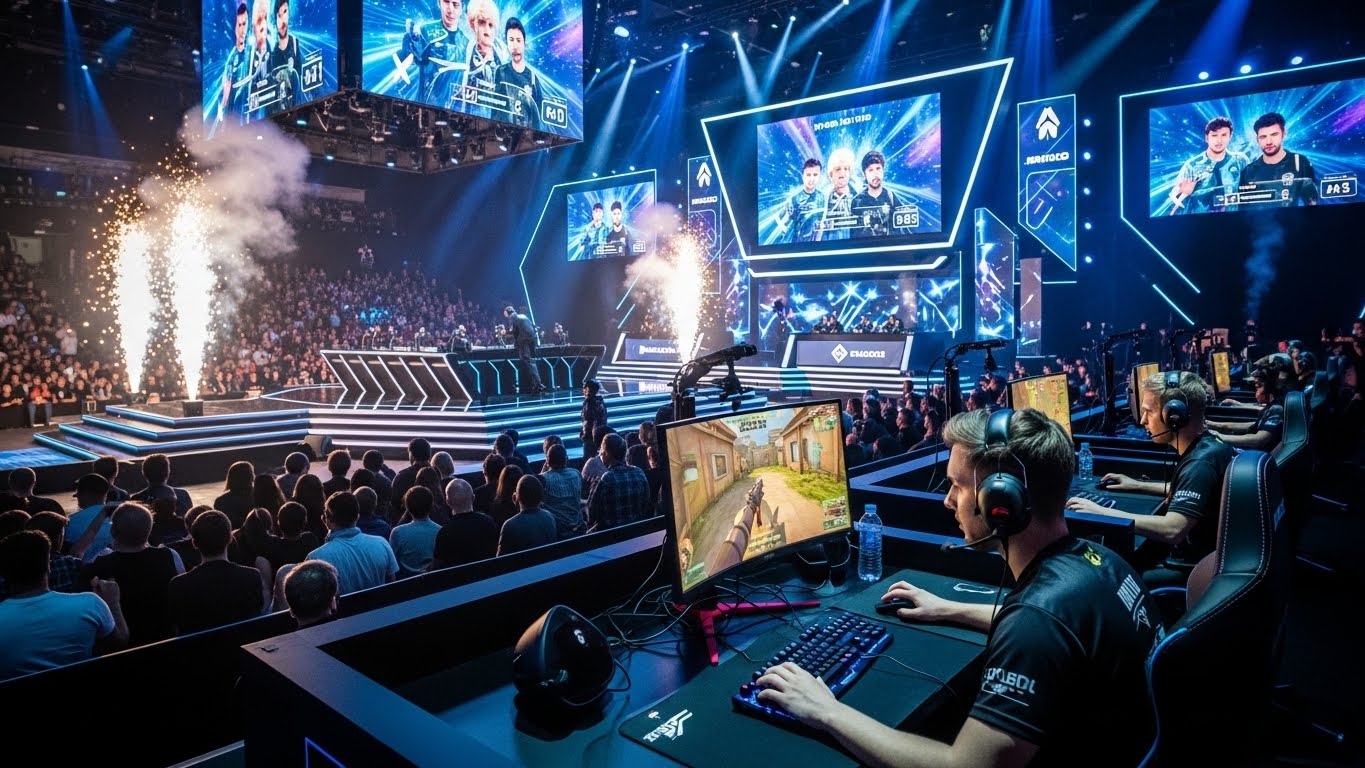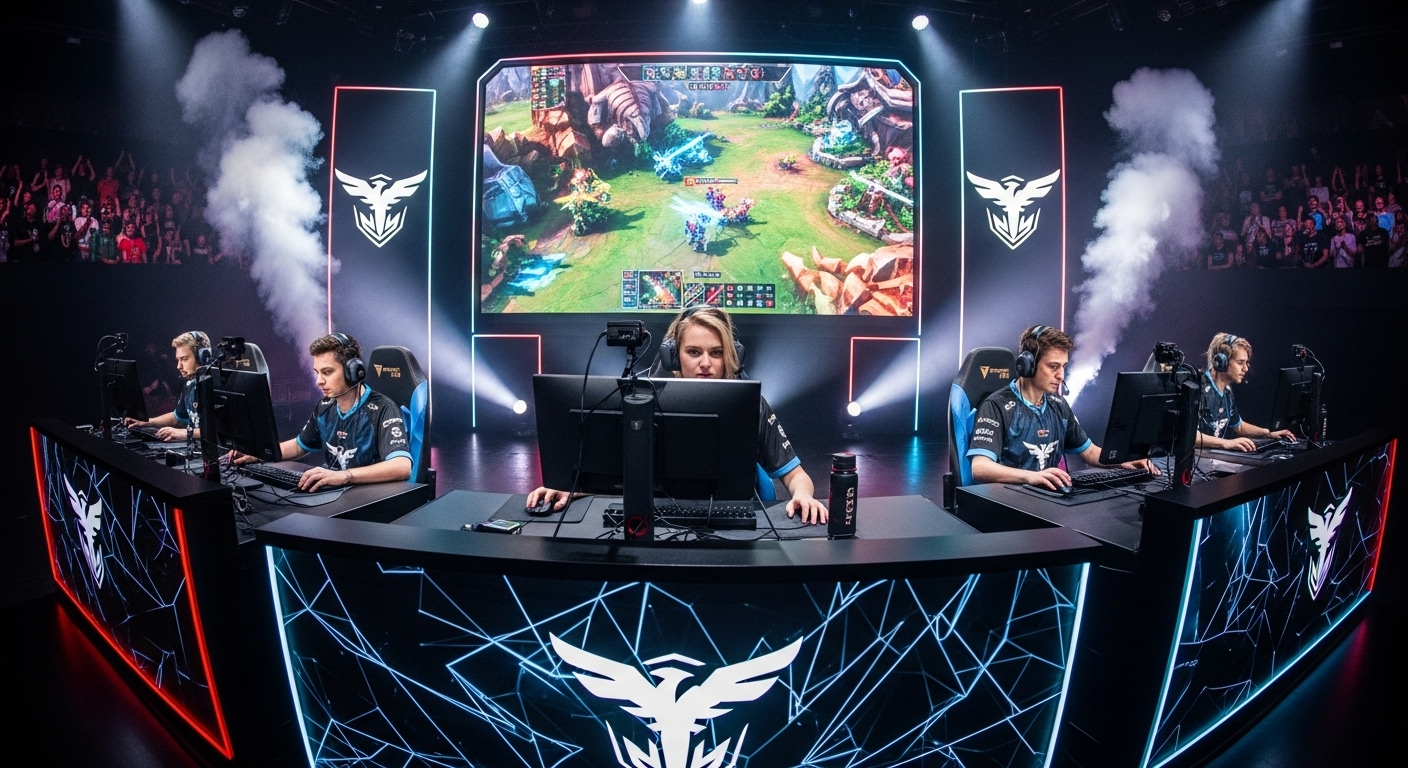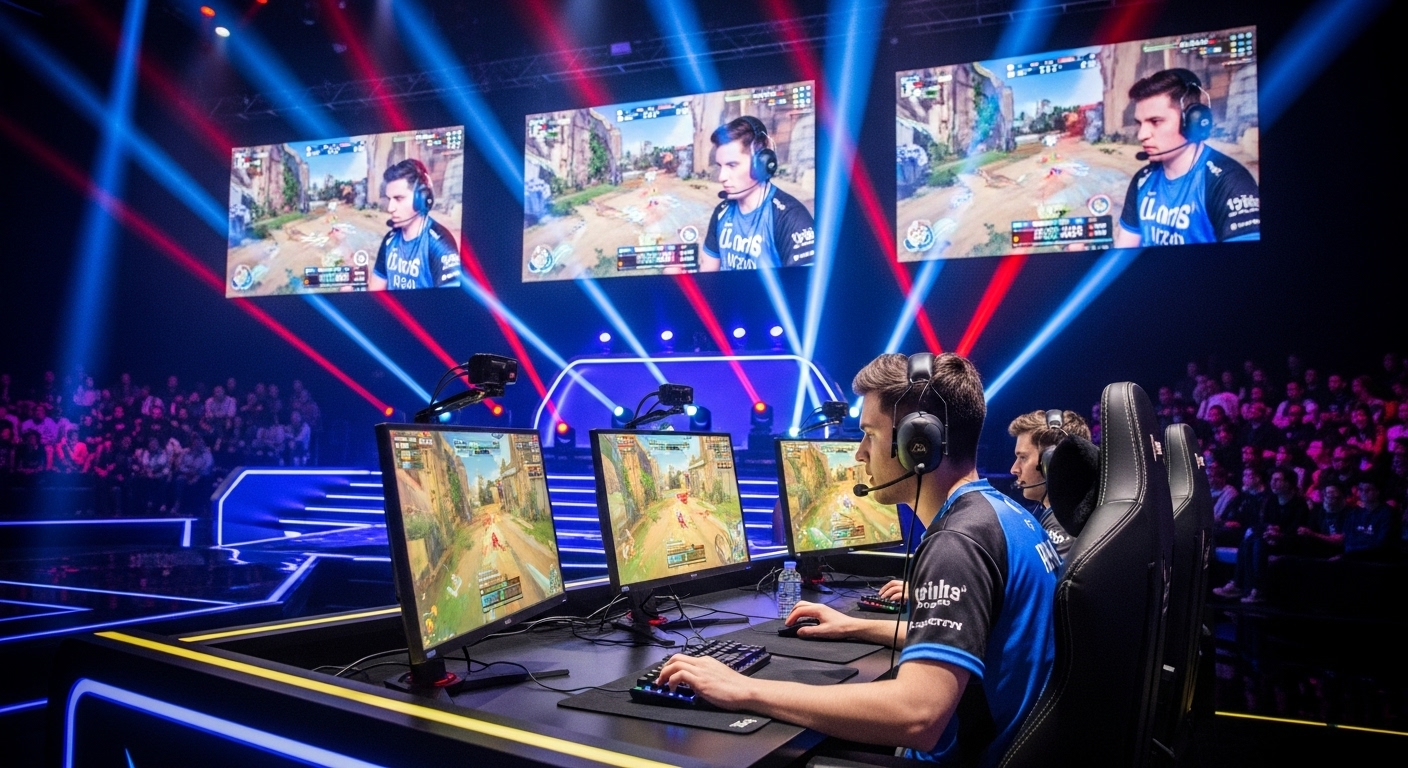
Esports, or electronic sports, has come a long way since its humble beginnings in the early 2000s. Once thought of as a niche hobby for gamers, it has exploded into a global multi-billion-dollar industry, captivating millions of fans worldwide. From the adrenaline-fueled matches of games like League of Legends and Counter-Strike to the massive stadiums packed with spectators and the growing mainstream media attention, esports is now more than just a trend—it’s a cultural phenomenon.
In this blog post, we’ll take a closer look at the rise of esports, exploring its history, current state, key players, and what the future holds for this ever-evolving industry. So, whether you’re an avid fan or a newcomer curious about the esports world, this post is for you.
The Origins of Esports: From LAN Parties to International Tournaments
To understand the explosive growth of esports, we must first take a step back and examine its origins. The term “esports” typically refers to competitive video gaming, where players engage in tournaments for various video games, often with prize money at stake. However, the concept of competitive gaming dates back to the 1990s.
LAN Parties and Early Competitions
In the early days, multiplayer gaming was confined to local area networks (LANs), where friends would gather in the same room to play against each other. These LAN parties, which allowed gamers to compete in real-time against one another, were the breeding ground for early competitive gaming. The thrill of outplaying others in-person laid the foundation for what would later become large-scale esports competitions.
Games like StarCraft, Quake, and Warcraft were some of the first to attract a competitive following. However, it wasn’t until the late 1990s and early 2000s that esports began to grow beyond small local events.
The Emergence of Online Play
The turn of the millennium marked a significant shift in the gaming landscape with the rise of broadband internet, enabling players to connect with others from across the globe. With online play, the competitive aspect of gaming became accessible to a much wider audience, and early online tournaments began to take shape.
By the mid-2000s, events such as the World Cyber Games (WCG) and the Electronic Sports World Cup (ESWC) helped to establish esports as a serious, organized activity. These events brought together players from different countries to compete for cash prizes and the title of world champion. The seeds of what would become a billion-dollar industry were sown.
The Big Four: Key Games That Shaped the Esports Landscape
Several games have played a pivotal role in shaping the esports landscape. These games became the foundation for much of the competitive gaming culture we see today. Let’s explore some of the most iconic esports titles that contributed to the industry’s rise.
1. League of Legends – A Global Phenomenon
League of Legends (LoL) is arguably the most influential esports title in history. Released in 2009 by Riot Games, LoL quickly gained traction within the gaming community due to its strategic depth, frequent updates, and accessible gameplay.
The game’s competitive scene took off with the creation of the League of Legends Championship Series (LCS), a professional league featuring the best teams from North America and Europe. LoL’s World Championship, held annually, boasts a prize pool that rivals traditional sports events, drawing millions of viewers from around the globe. In 2020, the World Championship reached an audience of 3.8 million peak viewers, solidifying its place as a global spectacle.
LoL’s success lies in its ability to combine skillful gameplay, team dynamics, and strategic decision-making. Its international reach and popularity among both casual and hardcore gamers have cemented its legacy as a cornerstone of the esports world.
2. Counter-Strike: Global Offensive – The FPS Titan
Another pillar of competitive gaming is Counter-Strike: Global Offensive (CS:GO), the latest iteration in the Counter-Strike series developed by Valve Corporation. Released in 2012, CS:GO takes the traditional first-person shooter (FPS) format and adds layers of team strategy and tactical depth. Teams of five players compete to either plant a bomb or prevent it from being planted, while carefully managing their resources.
The CS:GO community has seen a massive growth in its competitive scene, with tournaments such as ESL Pro League, DreamHack Masters, and Intel Extreme Masters (IEM) drawing in millions of viewers and players alike. The game’s consistent updates and new content have kept it fresh, while its high skill ceiling ensures that it remains an engaging spectacle for both players and fans.
3. Dota 2 – The King of Prize Pools
When it comes to prize pools, Dota 2 by Valve stands out. Launched in 2013, Dota 2 is known for its complex gameplay, steep learning curve, and high-level strategy. The game’s esports scene has grown to become one of the most lucrative in the industry, with The International (TI), the annual world championship for Dota 2, offering one of the largest prize pools in competitive gaming history.
In 2021, TI10’s prize pool surpassed $40 million, with players and teams from around the world battling it out for a chance at fame and fortune. The Dota 2 competitive scene is renowned for its passionate fanbase and its unpredictable, thrilling matches, often leading to some of the most exciting moments in esports.
4. Fortnite – A Cultural Movement
While Fortnite (released in 2017 by Epic Games) may not have the same competitive depth as games like LoL or CS:GO, it has had an undeniable impact on esports and the gaming world in general. Fortnite revolutionized the battle royale genre, bringing together 100 players on a single map in a fight for survival.
Epic Games’ commitment to making Fortnite a competitive game has paid off, with large-scale tournaments such as the Fortnite World Cup offering substantial prize money. The game also popularized the concept of in-game events and collaborations, keeping its player base engaged and excited about new content.
The Esports Ecosystem: A Multi-Billion-Dollar Industry
Esports is no longer just about players and games. It has become a complex ecosystem involving a variety of stakeholders, including publishers, teams, sponsors, broadcasters, and fans. Together, these entities contribute to the growth of the industry, creating a sustainable ecosystem that continues to thrive.
1. Professional Teams and Players
At the heart of the esports industry are the professional players and teams. Organizations such as Cloud9, Team Liquid, G2 Esports, and Fnatic have become household names in the esports community. These teams employ professional players who dedicate their lives to mastering specific games, often practicing for several hours each day.
Players are not only talented gamers, but they are also influencers, social media personalities, and ambassadors for their teams. Many top esports athletes now sign lucrative sponsorship deals with major brands, further elevating the industry’s profile. Just like traditional athletes, esports professionals earn income through tournament winnings, streaming, and brand partnerships.
2. Esports Broadcasting and Media Rights
The rise of esports has been closely tied to the growth of streaming platforms like Twitch, YouTube Gaming, and Facebook Gaming. These platforms allow fans to watch live tournaments, interact with players, and engage with the esports community in real time.
Esports broadcasting has become a major revenue stream, with media companies securing broadcasting rights for top-tier events. Major tournaments are now streamed live on television, with millions of viewers tuning in to watch their favorite teams compete. The accessibility of live streaming has helped turn esports into a mainstream entertainment option.
3. Sponsors and Advertisers
Esports has become an attractive investment opportunity for brands seeking to reach a younger, tech-savvy audience. Companies from a wide range of industries—such as tech, energy drinks, automotive, and telecommunications—have poured money into sponsorships, advertising, and event activations.
For instance, Red Bull and Mountain Dew have long been associated with esports, sponsoring tournaments and players. As esports continues to grow, the value of these sponsorships will only increase, further contributing to the industry’s financial success.
4. Merchandise and Fan Engagement
Fans are a crucial part of the esports ecosystem. They not only support their favorite teams by watching matches but also buy merchandise, from jerseys to digital items and skins. The sale of team merchandise has become a significant revenue stream for many esports organizations, with fans eager to show their loyalty.
Fan engagement has evolved through social media, live streams, and fan meetups, allowing fans to interact with players and teams in ways that were previously unheard of in traditional sports.
The Future of Esports: Trends to Watch
As esports continues to evolve, there are several emerging trends and technologies that could shape the future of competitive gaming.
1. The Growth of Mobile Esports
Mobile gaming is on the rise, particularly in regions like Asia, where games like PUBG Mobile, Free Fire, and Mobile Legends are dominating the competitive scene. Mobile esports tournaments are growing in popularity, and we can expect more high-profile events to be held in the future. Mobile gaming’s accessibility and affordability make it an attractive option for new players and fans.
2. Integration with Traditional Sports
Esports and traditional sports are increasingly intersecting. Major sports organizations, including the NBA and NFL, have invested in esports teams and leagues.