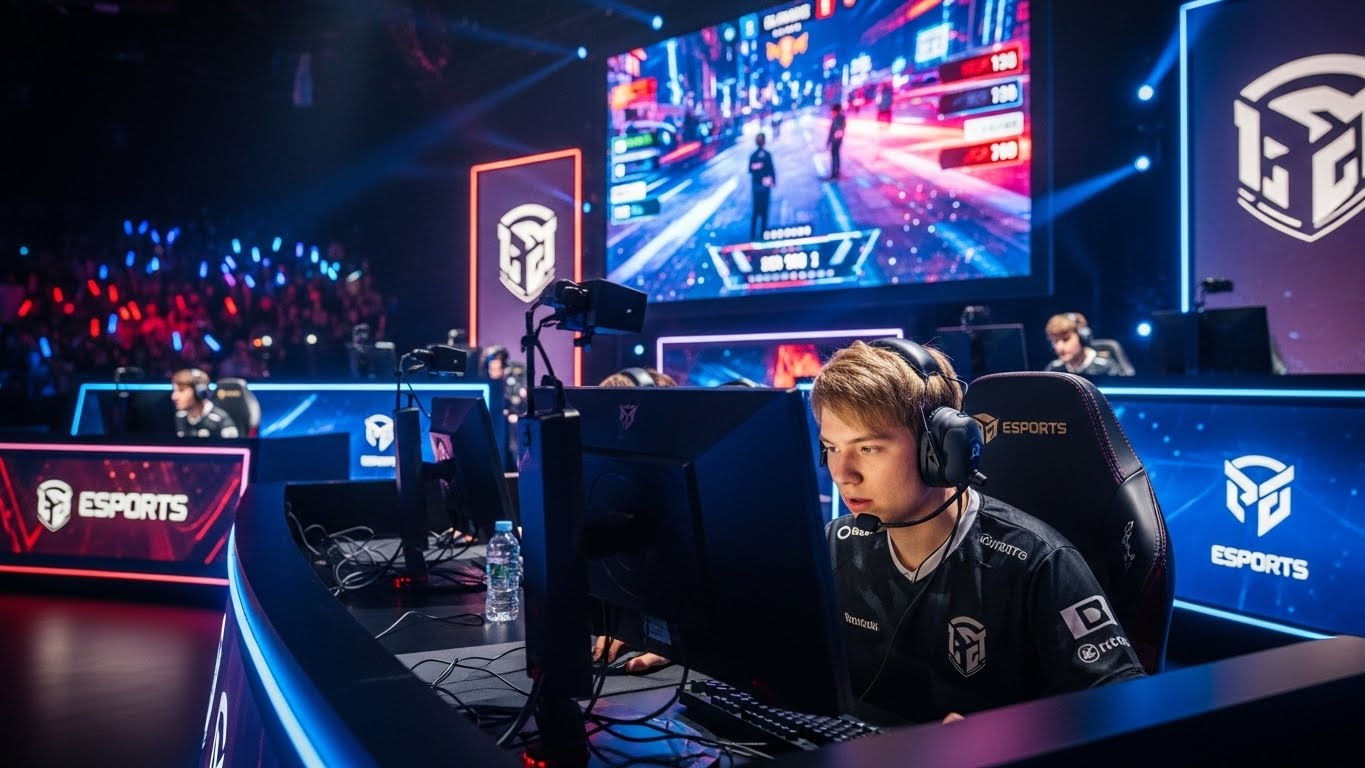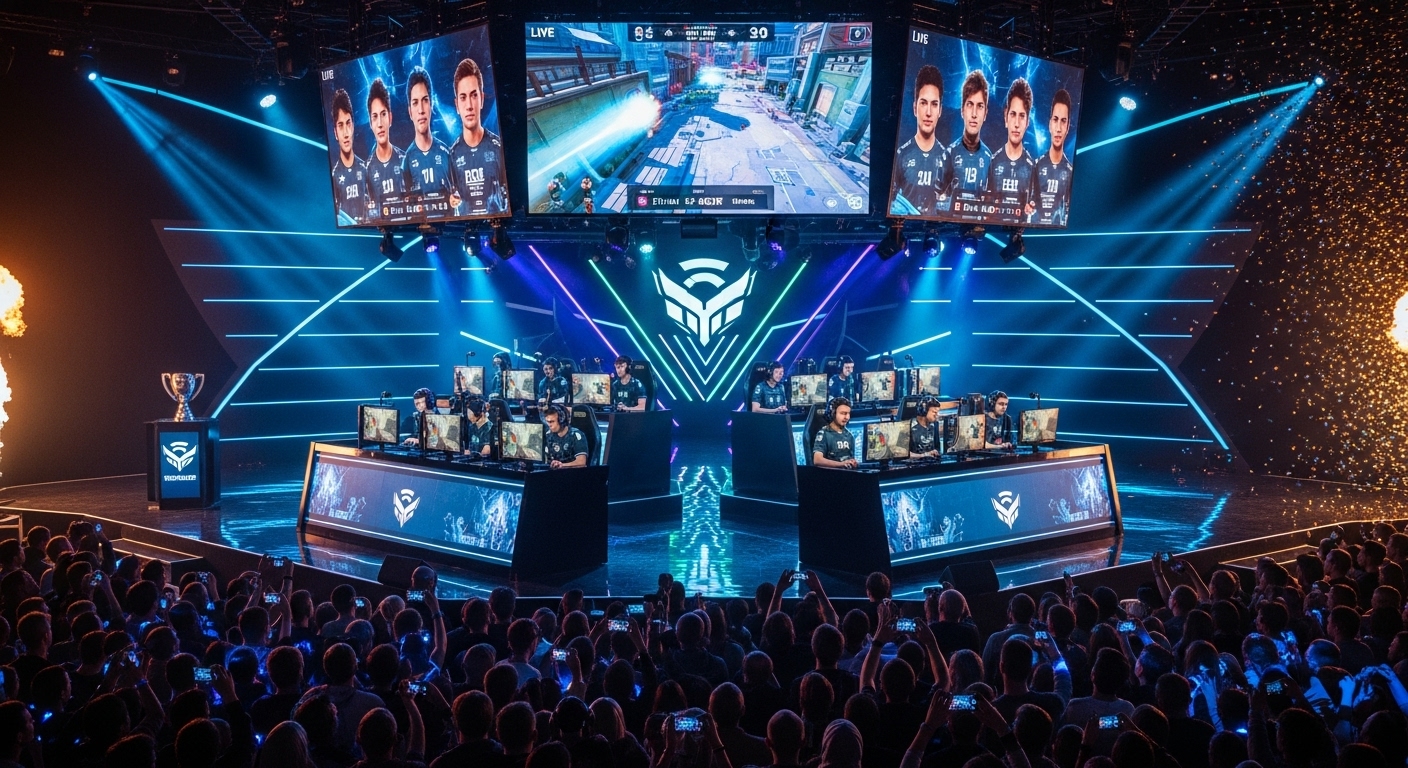
Esports, or electronic sports, has evolved from being a niche hobby for gamers into a multi-billion dollar global phenomenon. In just a few decades, competitive gaming has surged in popularity, transforming into a professional sport with a massive fanbase, industry-driven sponsorships, and its own massive events. What was once considered a pastime for geeks has now become a mainstream entertainment option with millions of dedicated viewers, professional players, and huge prize pools. This blog will explore the growth of esports, its impact on the gaming industry, and its future as a legitimate sport.
What Is Esports?
At its core, esports refers to organized, multiplayer video game competitions, particularly between professional players, individually or as teams. Unlike casual gaming, esports involves high levels of skill, strategy, and teamwork, with matches often broadcast live to audiences around the world. Esports tournaments cover a wide range of games, from real-time strategy games like StarCraft and Warcraft to first-person shooters like Counter-Strike and Overwatch, and multiplayer online battle arena (MOBA) games like League of Legends and Dota 2.
Professional players and teams engage in these competitions, often sponsored by major gaming companies or brands, and they train just like athletes in traditional sports. As a result, many esports players have risen to fame, amassing large followings and even becoming household names.
The Early Days of Competitive Gaming
The history of competitive gaming dates back to the late 1970s and early 1980s when arcade machines first became popular. The first real example of competitive gaming occurred in 1980 when Atari held the Space Invaders Championship, attracting more than 10,000 participants. While this event was relatively small in scope, it marked the beginning of competitive gaming in the modern era.
The 1990s saw the emergence of online multiplayer gaming, allowing players to compete against one another from their own homes. This was a pivotal moment in the development of esports, as games like Doom, Quake, and Warcraft created the foundation for organized competitions. The creation of gaming networks like Battle.net and Gamespy allowed players to connect and challenge one another from across the world, laying the groundwork for online tournaments and leagues.
However, it wasn’t until the early 2000s that esports truly began to gain traction. Games like StarCraft, Counter-Strike, and Warcraft III had established themselves as competitive titles, and major tournaments began to emerge. In South Korea, StarCraft became a national pastime, leading to the establishment of professional leagues and television broadcasts of matches. This era would mark the beginning of esports’ rise to prominence.
The Global Expansion of Esports
As esports grew in popularity, it quickly spread beyond its initial stronghold in South Korea. The early 2010s saw esports expanding globally, with major tournaments attracting players and fans from around the world. Games like League of Legends, Dota 2, and Counter-Strike: Global Offensive became global powerhouses, attracting millions of viewers online and in-person. The launch of platforms like Twitch revolutionized the way fans could engage with their favorite players, teams, and events. It also opened the door for content creators to monetize their channels, further fueling the growth of esports.
The inclusion of esports in major sporting events also helped elevate its legitimacy. In 2018, esports was featured as a demonstration sport at the Asian Games, marking the first time esports was included in an official multi-sport event. The move was seen as a significant step toward esports being recognized as a legitimate form of competition, akin to traditional sports.
Sponsorships and advertising played a crucial role in the financial growth of esports. Major brands, from Coca-Cola to Intel to Mercedes-Benz, began sponsoring esports events and teams, recognizing the potential of esports as a marketing platform. Prize pools for tournaments grew exponentially, with some competitions offering millions of dollars in rewards. For example, The International (the world championship for Dota 2) boasts prize pools that exceed $30 million, making it one of the largest prize pools in the history of any sport.
The Esports Ecosystem: Teams, Players, and Tournaments
Esports is not just about the games themselves; it has developed into a highly organized industry with various stakeholders involved in its success. Players, coaches, analysts, and broadcasters all play critical roles in creating the spectacle that esports has become.
Professional Teams and Players
At the heart of the esports ecosystem are the professional teams and individual players who compete at the highest level. Just like traditional sports, esports teams consist of skilled athletes who train, strategize, and collaborate to achieve victory. These players often sign contracts with major esports organizations, such as Cloud9, Team Liquid, T1, and G2 Esports.
Players are often specialized in particular games or roles within those games. For instance, in League of Legends, players may specialize as top laners, mid laners, or support players, each with a specific responsibility during gameplay. The intense training schedules of esports players are comparable to that of professional athletes in traditional sports, with players dedicating hours each day to practice, studying game strategies, and analyzing opponents.
Tournaments and Leagues
Esports tournaments and leagues are the backbone of the competitive scene. Some of the most well-known events include The International (for Dota 2), League of Legends World Championship, and Intel Extreme Masters (for Counter-Strike: Global Offensive). These tournaments often feature elaborate stage setups, live broadcasting, and fan engagement, turning them into full-scale entertainment events.
In addition to these global competitions, many esports titles have established their own professional leagues. For example, the Overwatch League and Call of Duty League feature franchised teams that compete in regular seasons leading to playoffs and championships. These leagues create a more stable and structured environment for players and teams, allowing them to focus on their performance while also building long-term fanbases.
Esports and Its Impact on the Gaming Industry
Esports has had a profound impact on the gaming industry, not only by expanding the appeal of competitive gaming but also by shaping the future of game development and marketing.
Game Development
As esports has grown, so too has the focus on designing games that are suitable for competitive play. Developers are increasingly building games with the intention of creating an environment that supports esports. For instance, games like League of Legends and Counter-Strike: Global Offensive are designed to allow for high levels of skill expression, with a clear and transparent competitive ladder system.
Additionally, many game developers now work closely with professional esports teams and players to balance and refine gameplay. This collaboration ensures that the games remain engaging for both casual players and professionals, maintaining a healthy competitive ecosystem.
The Role of Streaming and Content Creation
Streaming platforms like Twitch and YouTube Gaming have played a pivotal role in the expansion of esports. These platforms provide a space for players to broadcast their matches and interact with fans in real-time. In fact, many professional players have become influencers in their own right, building massive followings and monetizing their content through ads, sponsorships, and merchandise sales.
The rise of esports streaming has also led to the creation of dedicated esports broadcasters and commentators, who provide color commentary and analysis during live matches. These personalities have become integral to the experience, adding a level of excitement and professionalism to esports broadcasts.
Esports as a Career
One of the most significant changes in the esports landscape has been the shift from gaming being a hobby to becoming a legitimate career path. Professional players can earn salaries from their teams, win cash prizes from tournaments, and receive sponsorships from brands. Additionally, careers as coaches, analysts, broadcasters, and content creators have also flourished, offering a range of employment opportunities within the esports industry.
The growth of esports has even led to the creation of collegiate programs, where students can earn scholarships to play video games at the university level. Some universities even have dedicated esports arenas and offer full academic programs focused on esports management, marketing, and content creation.
The Future of Esports
Looking ahead, the future of esports appears incredibly bright. With its increasing popularity, expanding viewership, and rising sponsorship deals, esports is well on its way to becoming a mainstream sport. As technology continues to advance, so too will the ways in which fans engage with esports. Virtual reality (VR) and augmented reality (AR) may soon become integral parts of the esports experience, allowing viewers to immerse themselves in the action like never before.
Moreover, the potential for esports to be included in the Olympic Games continues to be a topic of discussion. While there are still debates around whether esports should be considered a “true” sport, the possibility of esports being included in the Olympics further legitimizes its status on the world stage.
Conclusion
Esports is no longer a passing trend; it has evolved into a global industry with dedicated fans, professional players, and a thriving ecosystem. From its humble beginnings in arcades and LAN parties to becoming a multi-billion-dollar industry, esports has carved out its place in the entertainment world. As the industry continues to grow and mature, there is no doubt that esports will remain a major force in both gaming and sports culture for years to come. Whether you’re a casual gamer or an aspiring professional, the esports world offers exciting opportunities and experiences that were once unimaginable.