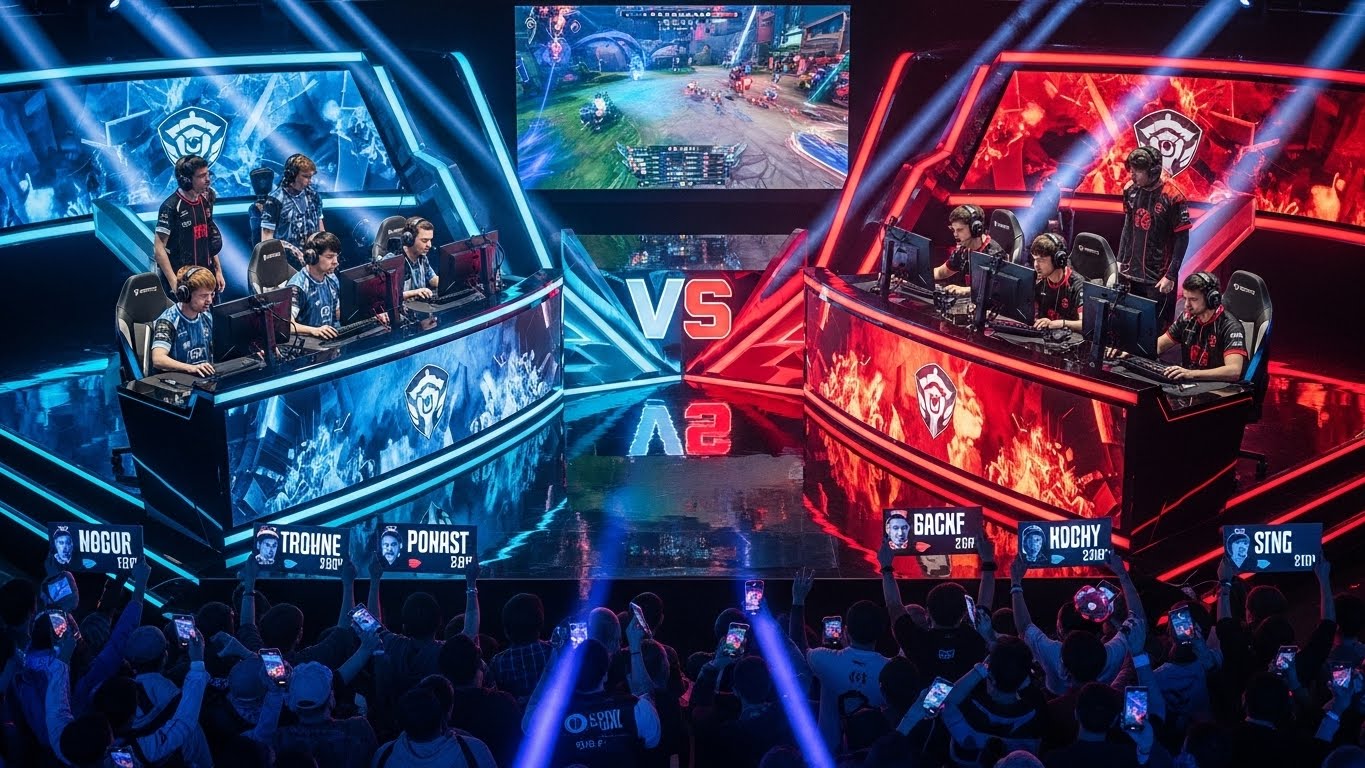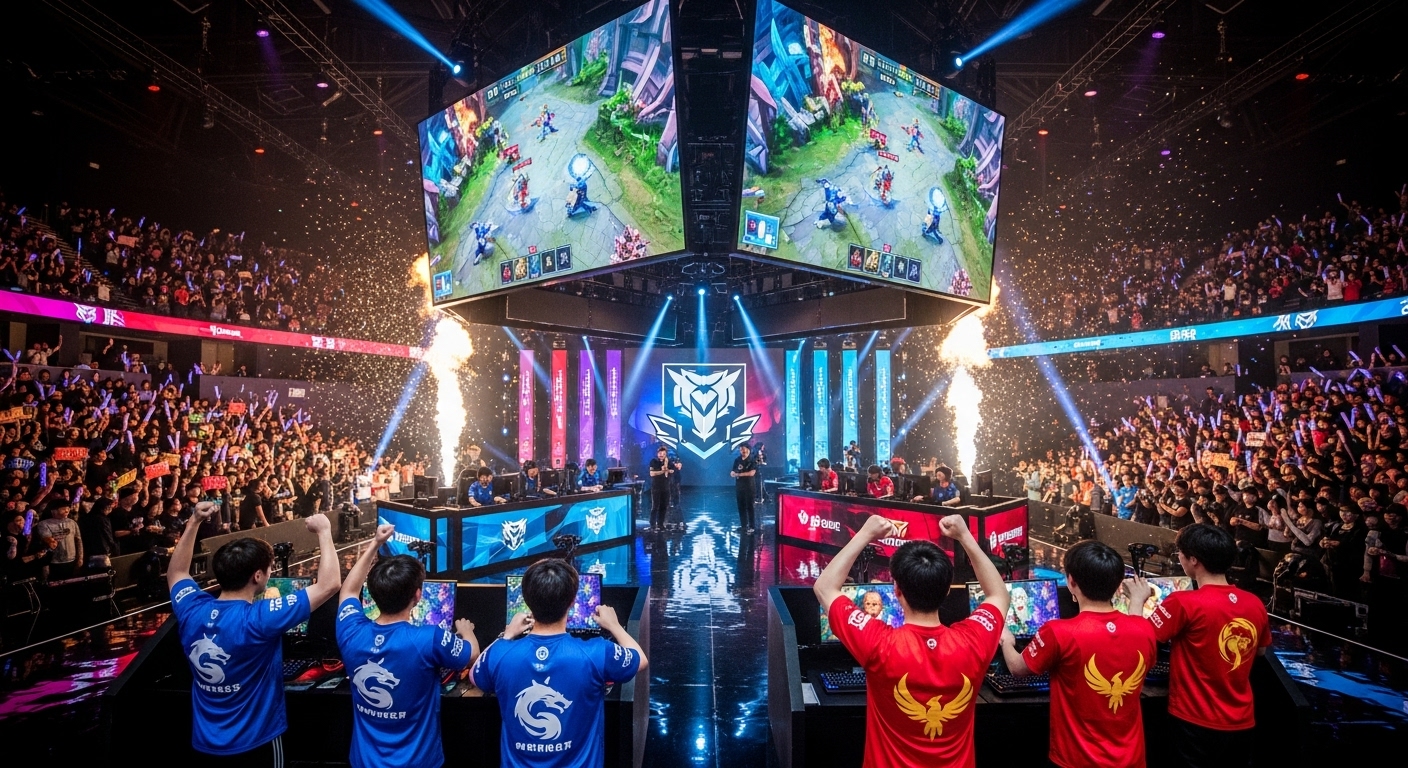
In recent years, the world of competitive gaming, or esports, has exploded into a multi-billion-dollar industry, transforming how we view video games. What once started as a niche hobby for enthusiasts has now blossomed into a global phenomenon that attracts millions of viewers, professional players, and massive sponsorships. In this blog post, we’ll explore how esports has evolved, its impact on the gaming community, and what the future holds for this exciting and fast-paced industry.
What is Esports?
Esports refers to organized, multiplayer video game competitions, particularly between professional players, individually or as teams. Unlike casual gaming, esports is competitive by nature and often features highly skilled players competing at the highest levels. These events are broadcast live and can draw massive online and offline audiences, with tournaments for popular titles such as League of Legends, Dota 2, Counter-Strike: Global Offensive, Fortnite, Overwatch, and Valorant, to name just a few.
The rise of esports has been driven by technological advancements, the increasing popularity of streaming platforms, and the growing acceptance of video games as a legitimate form of entertainment and sport. For many, it is no longer just about playing games for fun, but about playing to win and earning recognition, sponsorships, and even prize money.
The Growth of Esports: A Look Back in Time
The origins of esports can be traced back to the early 1990s, when competitive gaming first began to take shape. Tournaments such as the Red Annihilation in 1997, where players competed in Quake, marked one of the first large-scale esports events. However, it wasn’t until the late 2000s and early 2010s that esports truly started to gain traction.
In 2011, League of Legends (LoL) was released by Riot Games, and it quickly became one of the most popular esports titles in the world. The creation of The International (TI) tournament for Dota 2 in 2011 also raised the bar for competitive gaming, with the first prize pool totaling over $1 million. These milestones set the stage for the esports boom that we are witnessing today.
As the internet became more widely accessible and streaming platforms like Twitch emerged, esports was able to reach global audiences in ways that were previously unimaginable. High-profile tournaments were broadcast live, allowing fans to watch their favorite players and teams compete in real time, while sponsorship deals and broadcasting rights brought in millions of dollars, helping to fuel the growth of the industry.
Esports in the Modern Era: A Multi-Billion-Dollar Industry
Today, esports is no longer a hobbyist endeavor but a thriving global industry. According to recent estimates, the esports industry is valued at over $1 billion, with projections indicating continued growth in the coming years. Sponsorships, merchandise sales, ticket sales, and media rights have all contributed to this financial boom, and esports organizations and professional players are enjoying unprecedented levels of success.
Major brands from outside the gaming world, including Coca-Cola, Intel, and Adidas, are now investing heavily in esports. Sponsorship deals are one of the most lucrative revenue streams for teams and players. In some cases, esports athletes have become celebrities in their own right, with social media followings in the millions and endorsement deals worth millions of dollars. The 2023 League of Legends World Championship, for example, offered a prize pool of over $2 million, with the winning team taking home a significant share.
Esports teams are also becoming increasingly professionalized, with many now functioning like traditional sports organizations. Teams recruit players from around the world, offer coaching, training facilities, and even nutrition and fitness support, all in the pursuit of securing victories and championship titles.
The Esports Ecosystem: Teams, Tournaments, and Players
At the heart of esports is its ecosystem, consisting of players, teams, organizers, tournaments, and fans. Each component plays a crucial role in keeping the industry thriving.
- Teams and Players:
Esports teams are often made up of highly skilled individuals who specialize in a specific game. These players are typically recruited through scouting and tryouts, and many are offered contracts, salaries, and other benefits. The most successful players can earn substantial income through sponsorships, tournament winnings, and streaming. In fact, some of the highest-paid esports players, such as Johan “N0tail” Sundstein and Tyler “Ninja” Blevins, have accumulated tens of millions of dollars in earnings. - Tournaments:
Tournaments are the lifeblood of esports, providing a platform for players to showcase their skills and compete for large cash prizes. These events can take place both online and offline, but some of the most prestigious esports tournaments are held in massive arenas, drawing thousands of spectators and millions of online viewers. The League of Legends World Championship, The International (Dota 2), and CS:GO Majors are among the most famous, with prize pools often exceeding $10 million. - Esports Organizations:
Esports organizations are companies that manage teams, coordinate tournaments, and create content for fans. Examples of prominent organizations include Team Liquid, Fnatic, Cloud9, and T1. These organizations help foster the growth of esports by creating professional environments for players to compete in and by building fanbases around their teams. - Streaming Platforms and Fan Engagement:
Streaming platforms, particularly Twitch and YouTube Gaming, have become essential components of the esports ecosystem. Through these platforms, fans can watch live tournaments, follow their favorite players, and even interact with them in real-time. For many esports players, streaming has become an additional source of income, as popular streamers can make money through ads, donations, and subscriptions.
Esports and Traditional Sports: A Growing Convergence
One of the most significant developments in the world of esports is its increasing convergence with traditional sports. This has been especially evident in recent years as esports leagues, such as The Overwatch League and Call of Duty League, adopt formats similar to those seen in traditional professional sports leagues, including regular seasons, playoffs, and championship events.
Many traditional sports teams have also begun investing in esports, either by creating their own esports divisions or by sponsoring existing esports organizations. Football clubs like Manchester City and Paris Saint-Germain have launched esports teams, while organizations such as the NBA and NFL have begun forming partnerships with esports leagues to tap into the growing market of young, digitally-savvy fans.
Additionally, some esports athletes are beginning to receive the same level of recognition and respect as traditional athletes. Esports players are now being celebrated in mainstream media, and major events such as the League of Legends World Championship are being broadcast on major television networks, alongside traditional sports events.
The Impact of Esports on Society
Esports has had a profound impact on society in a variety of ways. It has provided a platform for millions of young people to connect with others who share their passion for gaming, and for some, it has become a career path. The rise of esports has also helped to destigmatize video games, which were once viewed primarily as a recreational activity. In fact, competitive gaming is now recognized as a legitimate sport, with some universities even offering esports scholarships and degrees in game design and management.
Moreover, esports has been a catalyst for technological advancements in gaming. Game developers continue to innovate in terms of graphics, gameplay mechanics, and the overall gaming experience, which has in turn fueled the demand for high-performance gaming hardware such as gaming PCs, monitors, and peripherals. These innovations have broader implications beyond gaming, influencing other industries like virtual reality (VR) and augmented reality (AR).
The Future of Esports: What Lies Ahead?
The future of esports looks incredibly promising, with opportunities for further growth and expansion. The global audience for esports is expected to continue growing, as more people around the world gain access to high-speed internet and gaming consoles. Additionally, esports is expected to continue its integration with other forms of media, including virtual reality and augmented reality, providing new and immersive experiences for players and fans alike.
One area to watch is the potential for esports to become an Olympic sport. Although esports has yet to be included in the Olympic Games, there have been discussions about its inclusion, especially given the rising popularity of gaming worldwide. If esports does make its way into the Olympics, it would mark a major milestone in its evolution from a niche activity to a globally recognized sport.
Furthermore, the intersection of esports and entertainment will continue to evolve, with new formats, collaborations with traditional sports, and cross-industry partnerships paving the way for exciting developments. As esports continues to evolve, it will undoubtedly remain a major force in the entertainment industry, attracting new generations of gamers, fans, and sponsors.
Conclusion: A New Era of Entertainment
Esports has come a long way from its humble beginnings in the 1990s. Today, it is a global industry that touches nearly every corner of the entertainment and sports worlds. With its expanding reach, increasing professionalization, and growing influence on mainstream media, esports is poised to continue its rise in the coming years.
As technology continues to evolve, and more people discover the excitement and passion of competitive gaming, esports will remain at the forefront of the digital entertainment revolution. Whether you’re a casual gamer, a dedicated fan, or a professional player, there’s no denying that esports has become an integral part of the entertainment landscape—and its future looks brighter than ever.