Introduction: The Dawn of a Digital Sport
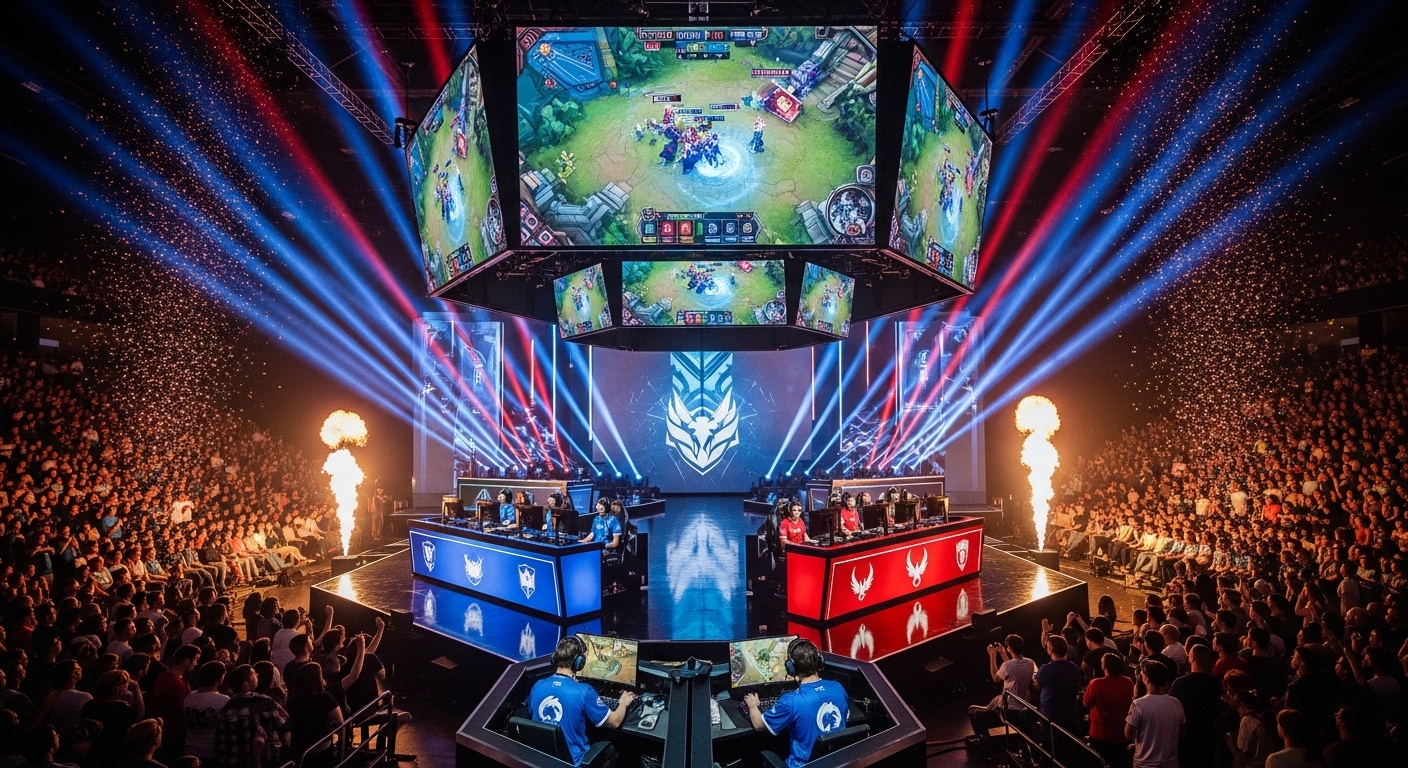
Esports has emerged as one of the most significant cultural and entertainment phenomena of the 21st century. Unlike traditional sports, which rely on physical skill and athleticism, esports revolves around skill, strategy, and teamwork in virtual environments. What started as casual competitions among small groups of gamers has transformed into a global industry with professional teams, massive prize pools, and millions of fans worldwide. From small arcades to stadiums filled with cheering fans, esports has become a mainstream form of competition that combines technology, entertainment, and social connection.
The Origins of Esports
Competitive gaming is not a recent phenomenon. The first esports competitions date back to the late 1970s and early 1980s when players competed in arcade games such as Space Invaders and Pac-Man. These events were modest but reflected the competitive spirit that would define esports in later years.
The real evolution of esports began in the 1990s with the rise of multiplayer PC games such as StarCraft, Quake, and Counter-Strike. These games introduced online competition, enabling players from different regions to face off virtually. Small-scale tournaments began to grow into organized leagues, forming the foundation of modern esports.
The introduction of streaming platforms in the 2000s, such as Twitch and YouTube Gaming, brought esports to the masses. Fans could watch live competitions, follow their favorite players, and engage with a global community. Today, esports tournaments attract millions of viewers worldwide, demonstrating its mainstream appeal.
Popular Game Genres in Esports
Esports spans multiple genres, each with unique competitive dynamics and fan followings.
Multiplayer Online Battle Arenas (MOBA): Games like League of Legends and Dota 2 dominate this category. MOBA games require intense strategy, teamwork, and real-time decision-making. Players control individual characters with unique abilities and work together to destroy the opponent’s base. MOBA tournaments often feature multi-million-dollar prize pools, highlighting their popularity.
First-Person Shooters (FPS): FPS games such as Counter-Strike: Global Offensive, Valorant, and Call of Duty focus on accuracy, reflexes, and team coordination. Professional FPS competitions are widely watched, with regional and global tournaments offering substantial financial rewards.
Battle Royale Games: Games like Fortnite and PUBG combine survival mechanics with large-scale competition. Players or teams compete to be the last ones standing, emphasizing strategy, adaptability, and fast reflexes. The unpredictable nature of these games keeps audiences engaged and invested.
Sports Simulations and Fighting Games: FIFA, NBA 2K, and Street Fighter recreate real-world sports and combat scenarios in a virtual environment. These games demand technical mastery, strategic thinking, and split-second decision-making, appealing to fans of both traditional sports and competitive gaming.
Real-Time Strategy (RTS) and Card Games: Games such as StarCraft II and Hearthstone challenge players’ tactical thinking, planning, and resource management. Although less visually dramatic than other genres, these games maintain a loyal competitive scene and require high levels of skill.
The Professional Esports Ecosystem
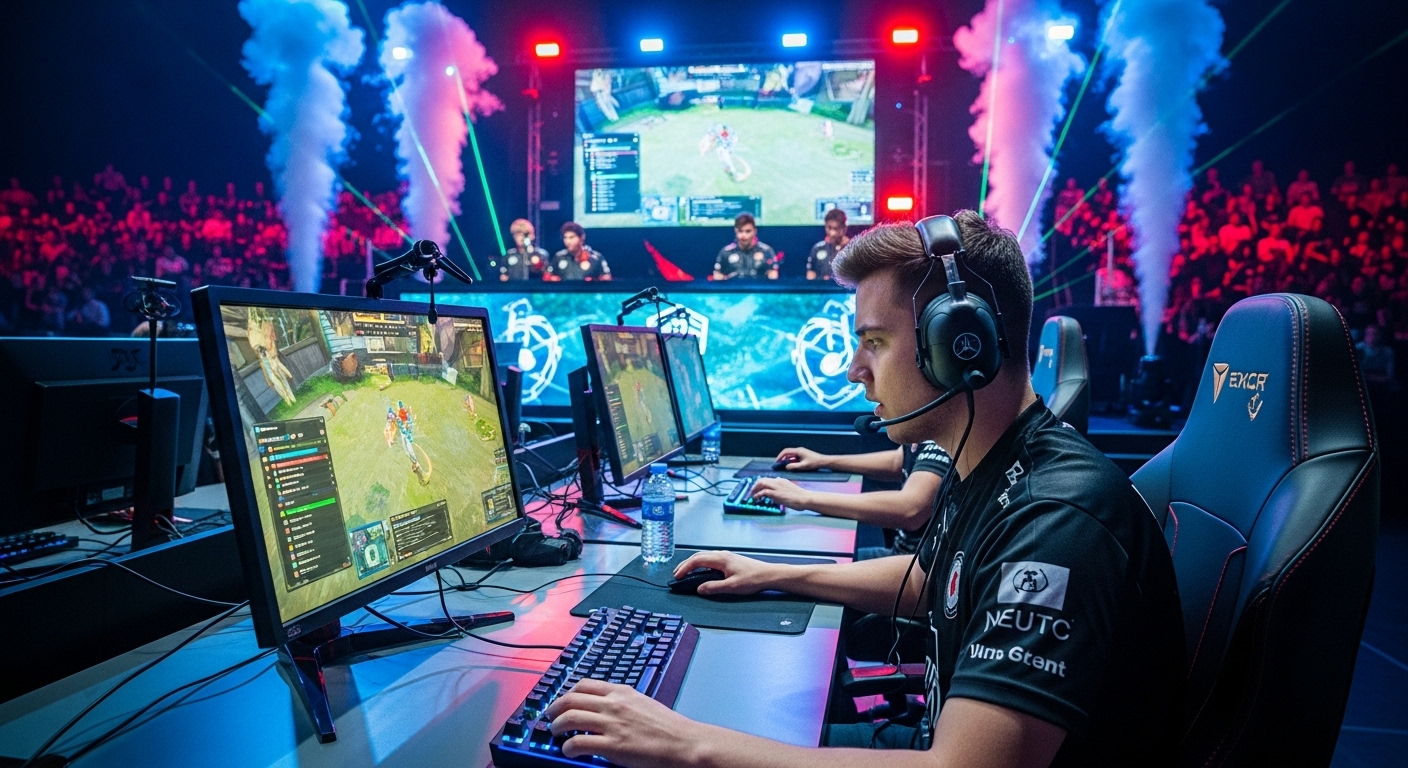
Esports today is highly structured, resembling traditional professional sports. Teams consist of players, coaches, analysts, and managers. Training is rigorous, often exceeding eight hours per day, focusing on strategy, communication, and skill refinement.
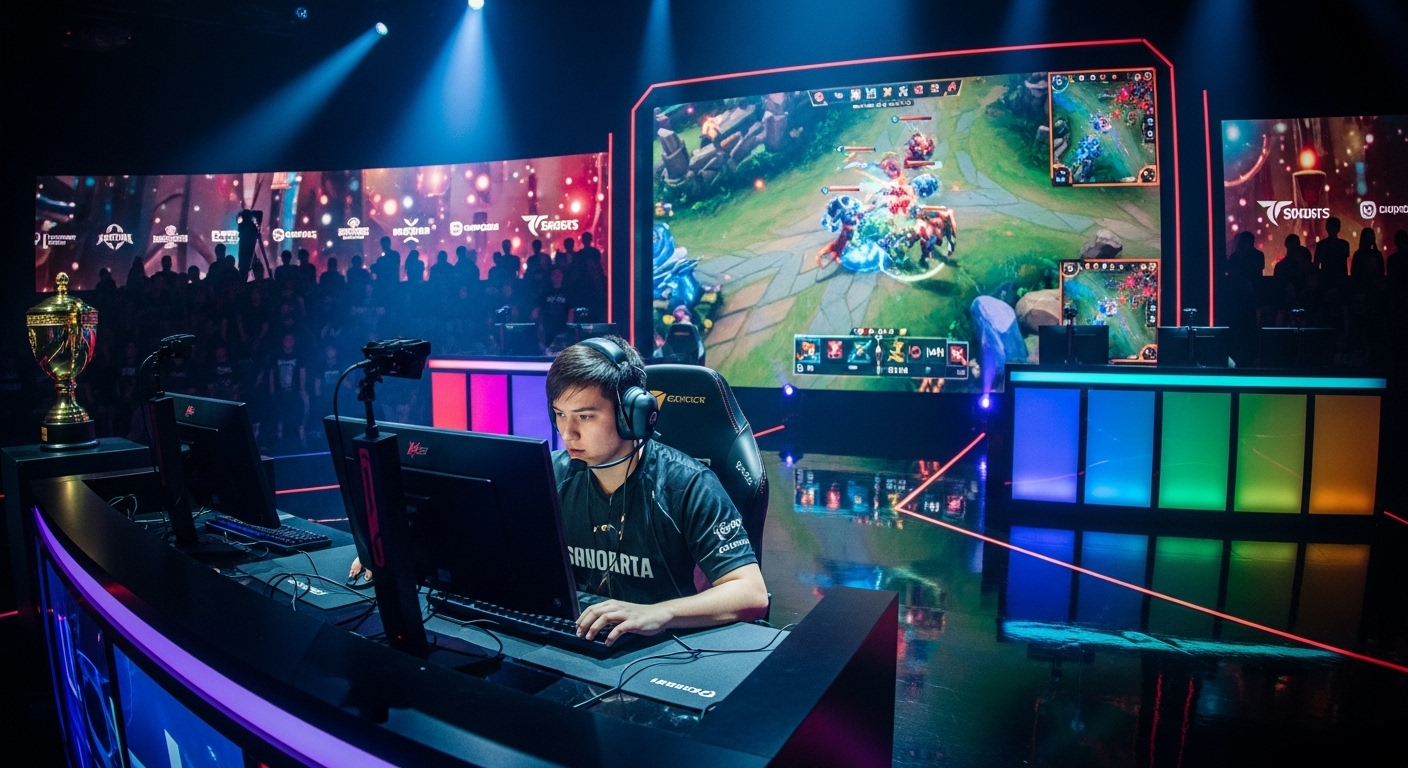
Professional tournaments occur at multiple levels, from local competitions to global championships. Top-tier events attract massive audiences, with prize pools often reaching millions of dollars. Sponsorships and brand endorsements provide additional revenue, with companies investing heavily in esports to reach a young, engaged audience.
Esports organizations operate like professional sports franchises. Players sign contracts, receive salaries, and access dedicated training facilities. Health programs and psychological support are increasingly common to prevent burnout and enhance performance. This professionalization has solidified esports as a legitimate and sustainable career path.
The Role of Streaming and Media
Streaming platforms have played a pivotal role in esports’ growth. Unlike traditional sports, which rely heavily on television broadcasts, esports thrives on online streaming. Fans can watch live matches, interact with players in real time, and access highlights instantly.
Streaming has democratized esports by allowing aspiring players to showcase their skills and build fan followings. Commentators, or casters, add entertainment value by providing analysis, play-by-play commentary, and engaging narratives. Social media further amplifies this effect, spreading highlights, memes, and tournament recaps globally.
Career Opportunities in Esports
Esports is more than a competitive hobby; it has become a viable career option. Professional players earn income from tournament winnings, sponsorships, and streaming revenue. Beyond players, the industry supports coaches, analysts, content creators, event organizers, marketing professionals, and social media managers.
Universities and institutions have recognized esports as a legitimate field. Many offer scholarships, degree programs, and courses in game design, digital marketing, and esports management. Countries like South Korea, China, and the United States actively support esports through infrastructure, funding, and recognition of professional players as athletes.
Cultural and Global Impact
Esports has grown into a global cultural phenomenon. International tournaments unite players and fans from diverse backgrounds, fostering a sense of community and shared excitement.
In South Korea, esports is mainstream culture, with professional players enjoying celebrity status and media coverage. In China and the United States, governments and private investors have developed esports infrastructure, including arenas, training centers, and organized leagues.
Esports has also bridged generational gaps. Parents who once discouraged gaming now attend competitions, support their children’s participation, and even engage with the esports community themselves. This cross-generational involvement demonstrates how esports fosters social connection, teamwork, and collaboration.
Challenges Facing the Esports Industry
Despite its rapid growth, esports faces challenges. Player burnout is a major concern due to long practice hours and intense competition. Organizations are introducing wellness programs, structured schedules, and mental health support to mitigate this issue.
Maintaining fair play and integrity is another challenge. Cheating, match-fixing, and hacking threaten competitive credibility. Strict regulations, anti-cheat systems, and disciplinary measures are essential to uphold fairness.
Gender diversity is also limited, with male players dominating the professional scene. Efforts to promote inclusion and encourage female and minority participation are growing, creating a more balanced competitive environment.
Commercialization presents another challenge. While sponsorships and revenue growth are positive, the industry must balance profit motives with maintaining community values and fan engagement.
The Future of Esports
The future of esports is bright, fueled by technological advancements and global interest. Virtual reality, augmented reality, and artificial intelligence will transform gameplay and viewing experiences. Fans may one day attend virtual arenas, interact with live matches in immersive ways, and participate in entirely new forms of competition.
Educational institutions will increasingly support esports, integrating it into curricula, extracurricular programs, and scholarship opportunities. Governments may recognize esports as an official sport, potentially paving the way for inclusion in international sporting events.
As cloud gaming and high-speed internet become more widespread, esports will be accessible to players from all regions, enabling global participation and discovering talent from previously untapped areas. Esports will continue to merge technology, competition, and entertainment, shaping the future of digital culture.
Conclusion: Esports as a Defining Global Movement
Esports has transformed from small gaming competitions into a global industry that blends competition, entertainment, and culture. It connects players and fans worldwide, provides career opportunities, and inspires innovation in technology and media. With its unique combination of skill, strategy, and teamwork, esports represents the evolution of competition in the digital age.
As technology advances and the world becomes increasingly connected, esports will continue to grow, bridging cultural gaps, creating new communities, and redefining what it means to compete. What began as a hobby has become a cultural force, proving that virtual competition can be as thrilling, impactful, and celebrated as any traditional sport.