Introduction: A New Era in Competitive Gaming
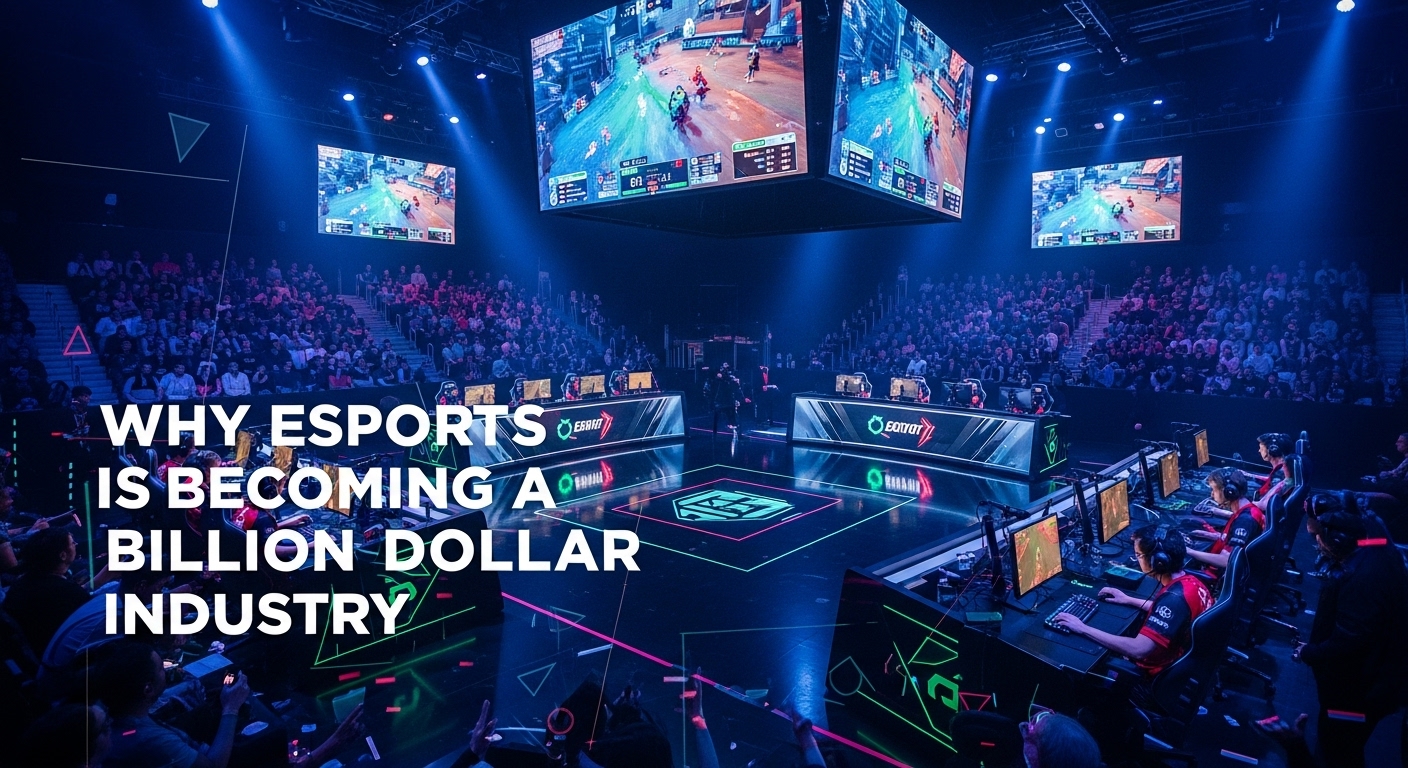
Esports, a term that once referred to niche competitive gaming, has become a global sensation. What was once a hobby enjoyed by a select few has transformed into a billion-dollar industry, attracting millions of viewers, top-tier sponsors, and even traditional sports organizations. Today, esports is not just about playing video games—it’s about professional athletes competing at the highest levels, multi-million-dollar prize pools, and a global fanbase that rivals traditional sports. In this blog post, we’ll explore the rise of esports, its impact on both the gaming world and beyond, and its bright future as a mainstream entertainment medium.
The Genesis of Esports: From Casual Play to Professional Leagues
The journey of esports began in the early days of multiplayer gaming. In the 1990s, games like Quake and Warcraft started the trend of competitive online play. LAN (Local Area Network) parties were the initial stages of what would eventually become a global industry. Gamers would gather in person, connect their computers, and compete in tournaments that tested their skills, teamwork, and strategic thinking. These informal competitions were the birth of a competitive gaming culture.
The late 1990s and early 2000s saw the creation of organizations like the Electronic Sports League (ESL) and Major League Gaming (MLG). These platforms helped to formalize esports by organizing large-scale tournaments that allowed players to compete in structured environments. The World Cyber Games (WCG), established in 2000, became one of the first international events, featuring players from around the world and attracting millions of fans. These early efforts demonstrated that competitive gaming could be more than just a pastime—it had the potential to become a professional sport.
Esports Today: Dominating Genres and Global Influence
Esports has expanded across numerous gaming genres, each with its own style of competition, fan base, and global tournaments. Let’s explore the key genres that have helped shape the landscape of modern esports.
Multiplayer Online Battle Arenas (MOBAs)
MOBAs like League of Legends and Dota 2 have become staples in the esports ecosystem. These games feature two teams, each controlling a set of heroes with unique abilities, who work together to destroy the opponent’s base while defending their own. MOBAs are strategic, requiring not just individual skill but intense teamwork and coordination. League of Legends has emerged as one of the most popular esports titles globally, with major leagues in North America, Europe, and Korea.
First-Person Shooters (FPS)
FPS games such as Counter-Strike: Global Offensive, Call of Duty, and Valorant are built around precision, reflexes, and tactical gameplay. These games are fast-paced, featuring teams of players who compete to complete objectives like defusing bombs or eliminating the opposing team. Esports tournaments for FPS games, particularly CS: GO, have grown exponentially, with competitions held in massive arenas and watched by millions of fans online.
Battle Royale
The battle royale genre, popularized by games like Fortnite and PUBG, focuses on large-scale survival gameplay where players are dropped into a shrinking arena, scavenging for weapons and fighting to be the last one standing. The unpredictability and fast-paced action of battle royale games have made them exciting to watch and play. Fortnite has further elevated esports by integrating events and live performances into its competitive gameplay, merging gaming with pop culture.
Sports Simulations
Games that simulate real-world sports have also found a place in esports. Titles like FIFA and NBA 2K offer players the chance to compete in virtual versions of real sports. These games require a deep understanding of the sport, offering a unique blend of virtual competition and real-world strategy. While the player base for these games may not be as large as League of Legends or CS: GO, the esports scene around games like FIFA has seen significant growth, particularly in Europe and South America.
Esports as a Professional Industry
What began as small, local competitions has evolved into a massive industry with multi-million dollar prize pools, sponsorships, and salaries for top players. Esports organizations are now structured like traditional sports teams, with professional players, coaches, analysts, and management teams.
Esports players train just as traditional athletes do, putting in long hours to hone their skills, improve their reaction times, and develop strategies with their teams. The intensity of the competition means that esports athletes must remain in peak mental and physical condition to perform at the highest level. Many professional esports players follow strict routines, including fitness regimens to maintain their physical health and mental exercises to ensure they stay sharp.
Players in games like Dota 2, League of Legends, and CS: GO can earn substantial incomes from tournament winnings, team salaries, sponsorships, and streaming. For instance, The International, an annual Dota 2 tournament, often has prize pools that surpass $30 million, with the winner walking away with a significant share of that sum. This represents the convergence of skill, entertainment, and business in the esports ecosystem.
The Role of Streaming in Esports Growth
One of the driving forces behind the growth of esports is the advent of live streaming platforms, particularly Twitch, YouTube Gaming, and Facebook Gaming. These platforms have allowed fans to watch their favorite players, teams, and tournaments in real-time, significantly expanding the reach of esports.
Twitch, in particular, has played a major role in shaping the esports scene. With millions of viewers tuning in to watch live broadcasts of tournaments, streams, and casual play, Twitch has become the go-to platform for gaming content. It’s not just about watching the competitions—it’s about engaging with players and fellow fans, creating a community that transcends geographical boundaries.
Streaming has also allowed players to build personal brands, with top streamers earning money from ads, subscriptions, sponsorships, and donations from their viewers. For example, popular esports players like Ninja and Shroud have made millions through their streams, further bridging the gap between traditional sports celebrities and digital influencers.
Esports and Its Global Appeal
Esports is a truly global phenomenon, with fans and players from all corners of the world. Unlike traditional sports, which are often limited by geography, esports has created a universal platform for competition and entertainment. Top players and teams come from regions such as North America, Europe, Asia, and South America, all competing for the top spot on the global stage.
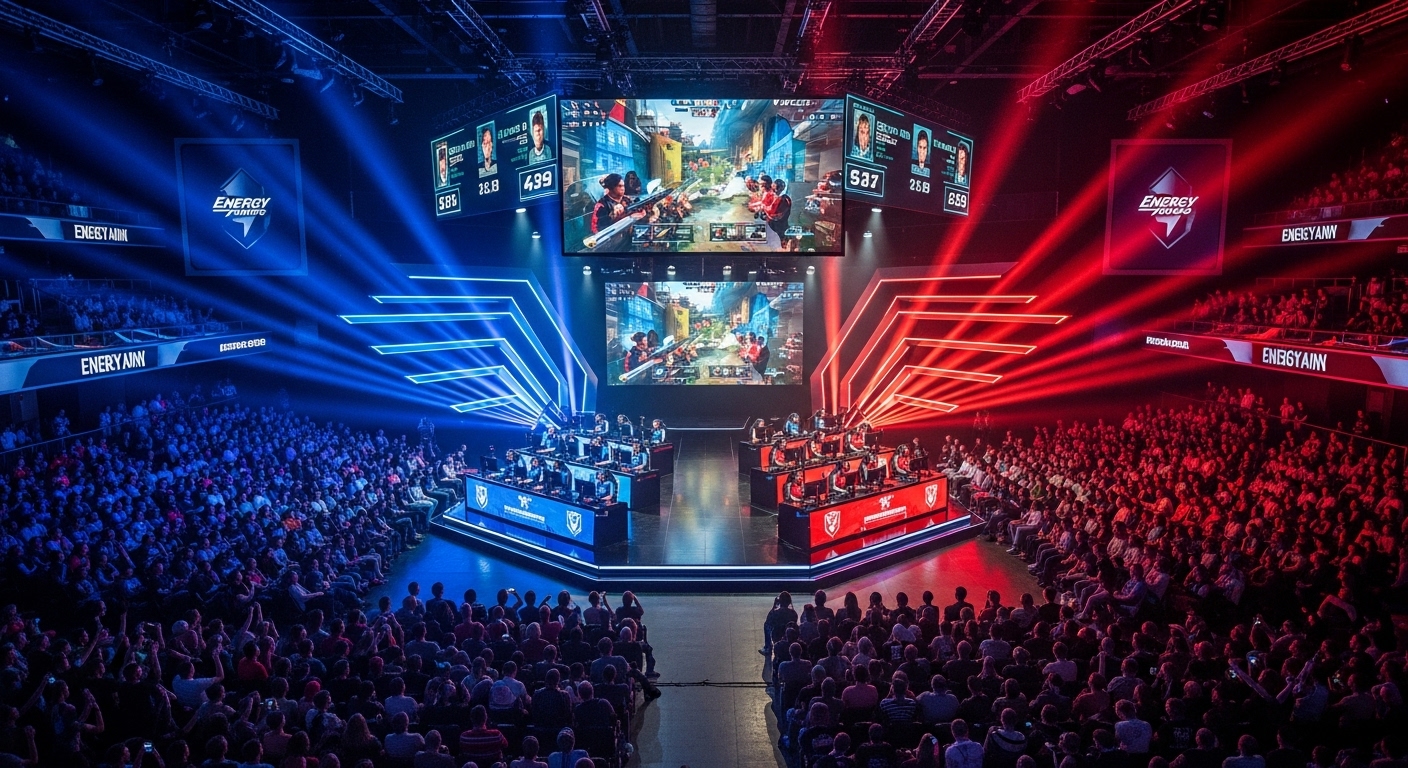
The rise of esports has also fostered international collaboration and competition. Major tournaments like the League of Legends World Championship, The International, and ESL One bring together players from all over the world to battle for supremacy. These events are broadcast in multiple languages and attract millions of viewers worldwide, making them a truly global spectacle. For example, the League of Legends World Championship draws over 100 million viewers during its finale, rivaling the viewership of traditional sporting events like the Super Bowl.
Esports: The Challenges It Faces
While esports has grown exponentially, it faces challenges that need to be addressed in order to ensure long-term sustainability and fairness.
Player Burnout and Mental Health
The demanding nature of professional esports can lead to mental and physical exhaustion. The pressure to perform consistently at a high level can be overwhelming, and players often face stress, anxiety, and depression. As esports becomes more recognized as a professional career, organizations are starting to provide mental health support, coaching, and recovery programs for their players.
Cheating and Match-Fixing
Just as in traditional sports, esports is susceptible to cheating and match-fixing. With the rise of online competitions, the temptation to use hacks or engage in unethical behavior has grown. Tournament organizers have implemented anti-cheat measures and stricter regulations, but keeping the competition fair remains a constant challenge.
Diversity and Inclusion
Esports has been criticized for its lack of diversity, particularly when it comes to the representation of women and minority groups. Although there have been efforts to create more inclusive spaces for underrepresented groups, such as women’s leagues and diversity programs, the industry still has a long way to go to achieve true equality. Initiatives aimed at increasing diversity and creating safe, welcoming spaces for all players are critical for esports’ continued growth.
The Future of Esports: What’s Next?
As technology continues to evolve, so too will the world of esports. The rise of virtual reality (VR) and augmented reality (AR) promises to revolutionize gaming and esports, creating more immersive experiences for players and fans alike. VR, in particular, has the potential to change the way games are played and broadcasted, offering a more interactive and engaging experience.
Furthermore, esports is likely to continue its integration with traditional sports. Already, we’ve seen professional sports leagues like the NBA and NFL invest in esports teams and tournaments. The crossover between traditional and digital sports will continue to grow, creating new opportunities for brands, sponsors, and players.
Esports may also be on its way to becoming an Olympic event. As the International Olympic Committee (IOC) recognizes the growing influence of competitive gaming, the possibility of esports being included in future Olympic Games is becoming more likely. If this happens, esports will solidify its place as a legitimate sport in the eyes of the global audience.
Conclusion: Esports—The Future of Competition and Entertainment
Esports has come a long way since its humble beginnings as a hobbyist activity. Today, it is a multi-billion-dollar industry with millions of fans, professional players, and worldwide tournaments. Esports offers a unique blend of skill, strategy, entertainment, and community, making it one of the fastest-growing entertainment sectors globally.