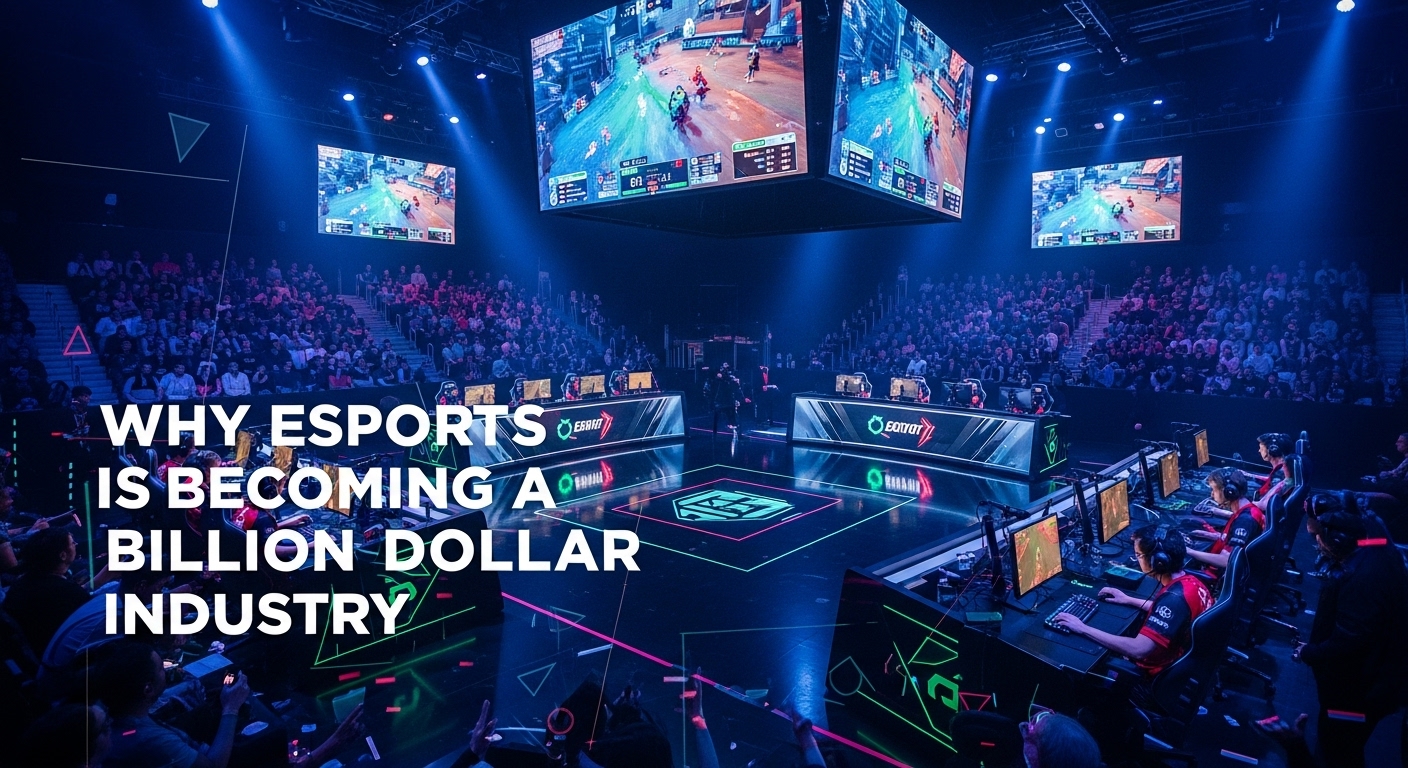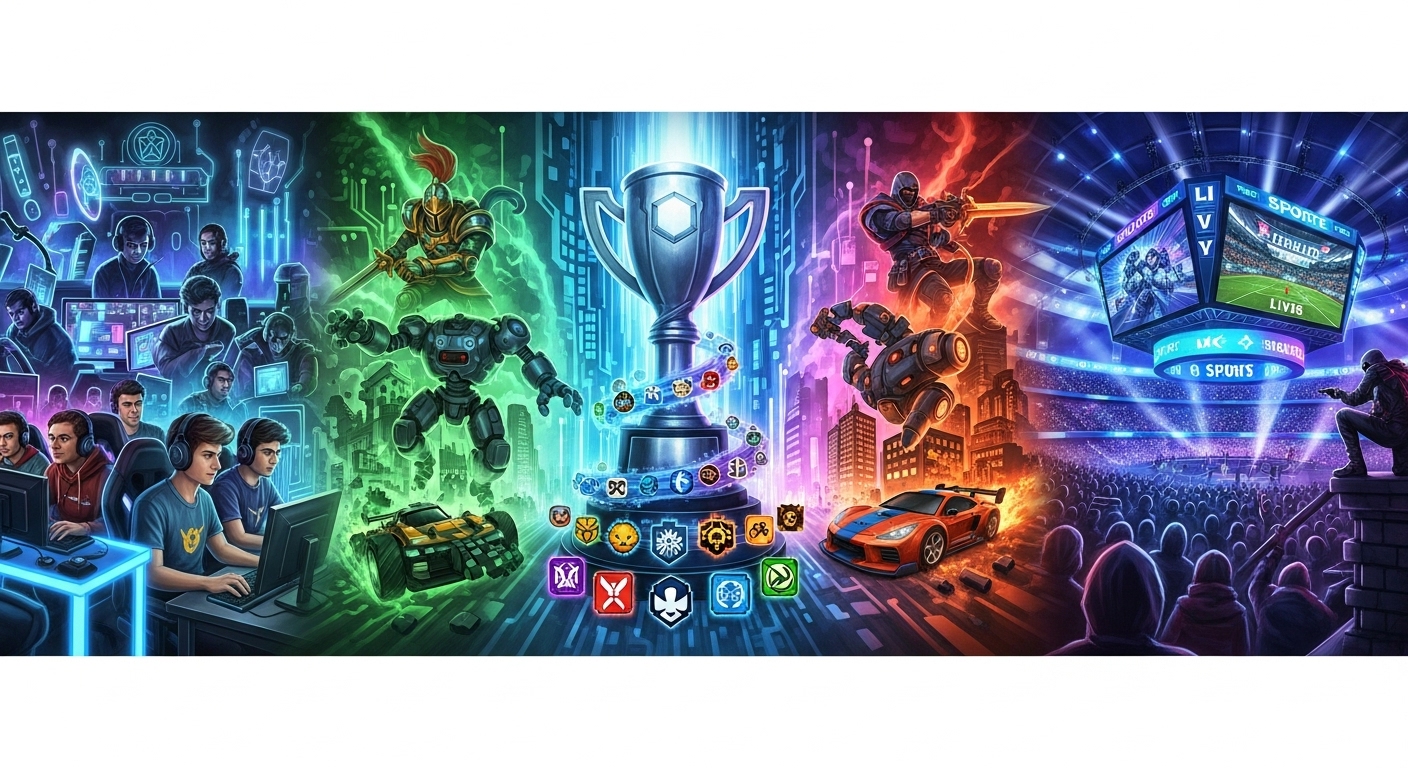
Esports has evolved from a niche hobby into a global phenomenon, reshaping the landscape of competitive sports and entertainment. What was once viewed as a pastime for gamers has now become a multibillion-dollar industry with a massive global following. From sold-out arenas and international tournaments to sponsorships from major brands, esports has firmly established itself as a legitimate form of competition and entertainment. In this blog post, we’ll explore the rise of esports, its impact on the gaming world, and what the future holds for this exciting industry.
The Evolution of Esports: From Arcades to Global Tournaments
Esports traces its roots back to the early days of gaming, when players competed in small-scale tournaments in arcades or online multiplayer games. The concept of competitive gaming began gaining traction in the late 1990s and early 2000s, with titles like “StarCraft” and “Quake” paving the way for larger-scale competitions. However, it wasn’t until the 2010s that esports truly began to gain mainstream attention.
As technology improved, so did the ability to stream live events. Platforms like Twitch and YouTube made it easier for gamers to broadcast their skills to a global audience, and soon, professional tournaments began drawing in millions of viewers from around the world. Games like “League of Legends,” “Dota 2,” and “Counter-Strike: Global Offensive” became staples in the competitive gaming scene, with players and teams battling for massive cash prizes and global recognition.
Esports’ transition from grassroots competitions to global spectacles was further cemented by the rise of organizations, sponsors, and media companies investing heavily in the industry. The once small and niche gaming community is now a booming sector with major professional leagues, streaming platforms, and fanbases that rival traditional sports.
The Economic Impact of Esports
Esports is no longer just about the players; it’s an entire ecosystem that has created a massive economic footprint. According to recent reports, the esports industry is projected to generate billions of dollars in revenue through ticket sales, advertising, media rights, sponsorships, merchandise, and streaming platforms. The rapid growth of esports has attracted a wide array of investors, including tech companies, sports franchises, and even traditional media companies.
One of the key drivers of this economic boom is sponsorship. Major global brands from all sectors—including tech, automotive, apparel, and even fast food—are increasingly using esports to target young, tech-savvy consumers. Companies like Intel, Coca-Cola, and Nike have entered the esports market by sponsoring events, teams, and individual players. These partnerships help elevate the profile of esports while creating a new avenue for brands to engage with audiences in an authentic and exciting way.
In addition to sponsorships, esports tournaments themselves have become major economic drivers. Events like “The International” (Dota 2’s premier tournament) or the “League of Legends World Championship” attract huge crowds, both online and in person. These tournaments generate revenue through ticket sales, merchandise, and, of course, the advertising deals tied to their massive viewership.
The Players: The New Sports Celebrities
In esports, the players are the true stars. These professional gamers have become celebrities in their own right, with large social media followings, endorsement deals, and lucrative tournament winnings. For many players, gaming has transformed from a hobby to a full-fledged career, complete with sponsorships, salaries, and even streaming revenue from platforms like Twitch.
The training and dedication required to compete at the highest level of esports is no different from traditional sports. Professional players must practice for hours each day, often participating in team scrims, reviewing game footage, and refining their skills. Just like athletes in traditional sports, esports professionals must maintain peak mental and physical condition to perform at their best. As esports continues to grow, the pathway to becoming a professional gamer is becoming clearer, with more resources available for aspiring players, including coaching, academies, and structured leagues.
Esports stars such as Faker (Lee Sang-hyeok), Ninja (Tyler Blevins), and s1mple (Oleksandr Kostyliev) have achieved global recognition, not just for their gameplay but also for their charisma, content creation, and contributions to the culture of esports. As these players build their personal brands, they continue to inspire millions of fans and aspiring gamers around the world.
The Fans: Building a Global Community
Esports’ success is not just about the players and the tournaments—it’s about the fans who make up a vibrant and passionate community. Fans of esports follow their favorite teams and players religiously, watching matches, discussing strategies, and even attending live events to support their idols. Esports fandom has created a new breed of spectators, where fans interact directly with players and teams through social media, live streams, and fan events.
The ability for fans to connect with esports players and teams in real time has given rise to a more interactive and engaging experience compared to traditional sports. Platforms like Twitch and YouTube allow fans to watch their favorite players live, chat with them in real time, and even contribute to their success through donations and subscriptions. This level of engagement has helped build a unique and tight-knit community that celebrates the skill, strategy, and excitement of competitive gaming.
The global reach of esports means that fans from all corners of the world can unite over a shared love for gaming, regardless of language, location, or background. Major tournaments, such as the League of Legends World Championship or the ESL One series, attract viewers from all over the globe, creating a truly international experience for fans. In many ways, esports has become a cultural bridge that connects people through their shared passion for competitive gaming.
The Future of Esports: Expansion and Innovation
As the esports industry continues to grow, the future looks incredibly bright. One of the most exciting aspects of this growth is the potential for new games, platforms, and experiences. Game developers are constantly innovating to create new titles that push the boundaries of competitive gaming, and emerging technologies like virtual reality (VR) and augmented reality (AR) have the potential to revolutionize how esports are played and consumed.
Esports is also expanding into new regions, with countries in Asia, Europe, and North America leading the way. However, there is increasing interest in markets such as Latin America, the Middle East, and Africa, where gaming is becoming more popular, and local esports communities are flourishing. This global expansion will continue to fuel the industry’s growth, bringing new talent, fans, and sponsors to the world of competitive gaming.
In addition, the recognition of esports as a legitimate sport is increasing. Several universities and colleges around the world are offering scholarships for esports players, and competitive gaming is beginning to be taken seriously as a professional career. Major sporting organizations like the Olympics have even started exploring the possibility of incorporating esports into their programs, further legitimizing its place in the global sporting landscape.
Conclusion: The Changing Face of Entertainment
Esports has come a long way from its humble beginnings, and it is poised to continue its meteoric rise. As the industry continues to grow, it will not only reshape the way we think about gaming but also alter our perceptions of sports and entertainment. With a dedicated fanbase, highly skilled players, and enormous economic potential, esports is proving that it is here to stay. Whether you’re an avid gamer, a casual viewer, or someone interested in the future of sports and entertainment, esports offers something exciting for everyone.
As technology continues to evolve and the global gaming community grows, esports will continue to break barriers, create new opportunities, and inspire future generations of gamers. The esports revolution is just beginning, and its impact will be felt for years to come.