Introduction: The Rise of Esports
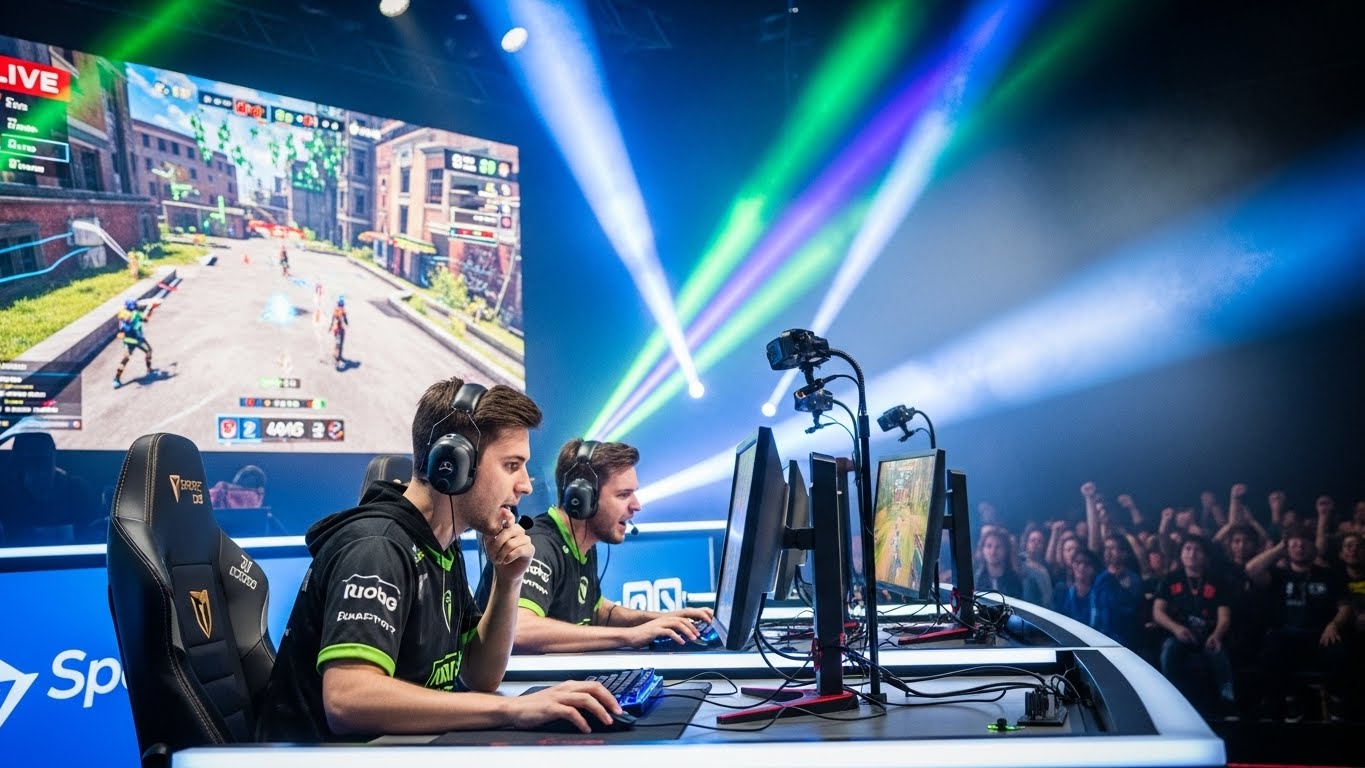
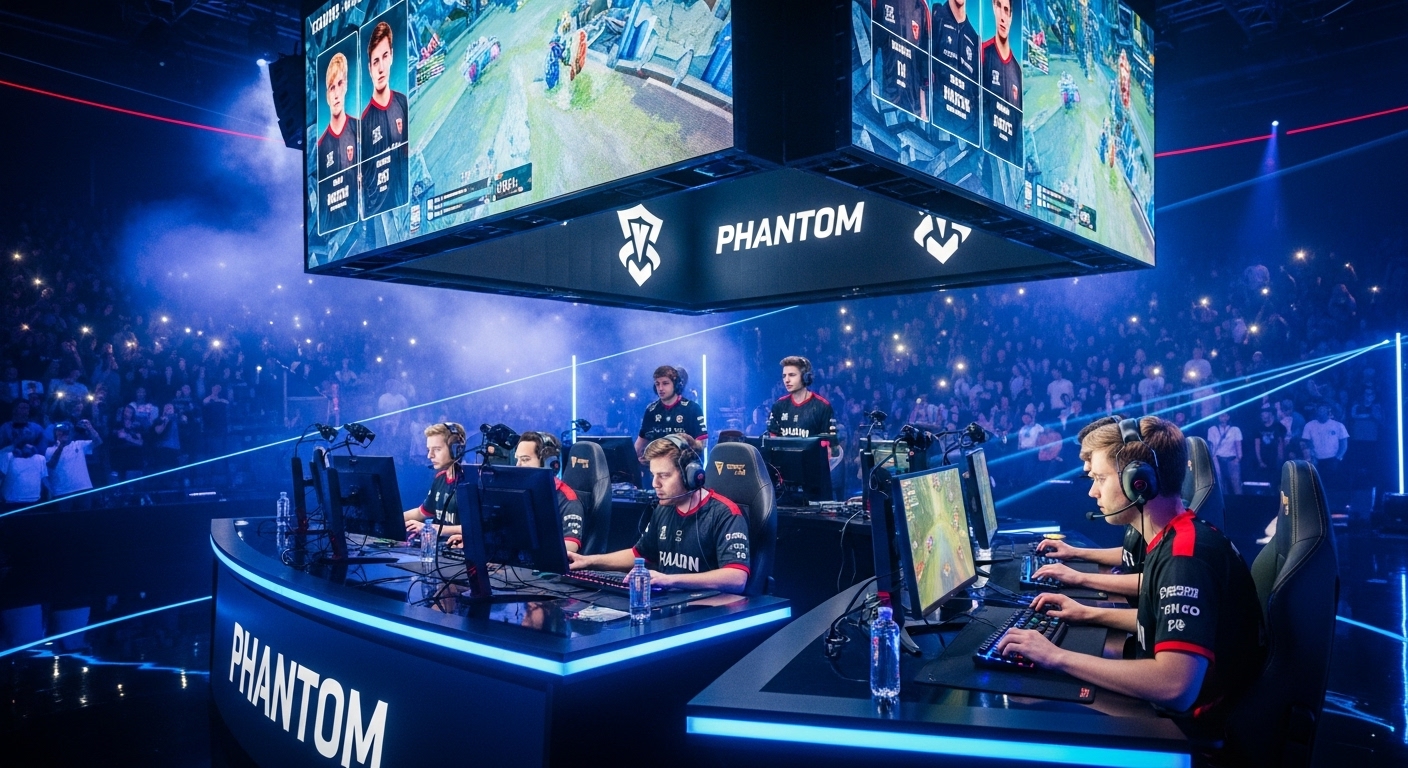
In the past decade, esports has made an incredible transformation from a niche hobby to a global cultural phenomenon. What once began as small online tournaments between friends has evolved into massive, high-stakes competitions that draw millions of viewers and offer prize pools in the millions of dollars. Esports now holds its place firmly alongside traditional sports, with millions of fans, players, and teams worldwide. The rapid growth of esports is a testament to how gaming has shifted from a form of entertainment to a competitive, professionally recognized industry.
This post will explore the key factors driving the success of esports, its growing influence on entertainment, and what the future holds for this fast-paced, highly competitive world.
Defining Esports: Competitive Gaming at Its Core
Esports, short for electronic sports, refers to organized, multiplayer video game competitions, often between professional players, teams, or organizations. These games can range from strategy-heavy titles like Dota 2 and League of Legends to fast-paced first-person shooters like Counter-Strike and Call of Duty. The key element of esports is competition—professional players train intensively, form teams, and compete in leagues and tournaments for significant prize money, sponsorships, and recognition.
While gaming itself has always been a popular pastime, esports takes it a step further by turning gaming into a professional, high-skill endeavor. Similar to traditional sports, esports requires strategic thinking, team coordination, quick reflexes, and adaptability to changing circumstances—all traits that elevate it from simple entertainment to a true competitive sport.
The Evolution of Esports: From Casual to Professional
Esports’ journey to mainstream recognition began in the late 1990s and early 2000s when games like StarCraft and Quake laid the foundation for competitive gaming. While early tournaments were relatively small, they set the stage for what was to come. It wasn’t until the launch of games like League of Legends in 2009 that esports truly began to explode in popularity.
The advent of League of Legends and the formation of its professional leagues were game-changers for the esports landscape. The game’s accessibility, deep strategic gameplay, and free-to-play model attracted millions of players worldwide, many of whom eventually transitioned into professional players. As League of Legends gained traction, other games like Dota 2, Overwatch, and Fortnite followed suit, further expanding the breadth and appeal of competitive gaming.
Today, esports tournaments attract millions of viewers and boast prize pools that rival those of traditional sports. The International, the annual Dota 2 championship, regularly offers prize money surpassing $30 million, with millions of fans watching live broadcasts, both in-person and via streaming platforms.
The Role of Streaming: Making Esports Accessible
A major factor in esports’ meteoric rise has been the accessibility provided by live streaming platforms. Services like Twitch, YouTube Gaming, and Facebook Gaming have become integral to the esports experience. These platforms allow fans to watch their favorite players and teams compete in real-time, with interactive features that enable them to chat with other viewers, follow live scores, and even donate to their favorite streamers.
Streaming also allows fans to connect with players on a personal level. Many professional gamers regularly stream their practice sessions or casual gameplay, offering fans a behind-the-scenes look at their training regimen, gameplay strategies, and even personal lives. This accessibility strengthens the bond between players and their audience, creating a more immersive and engaged fanbase.
What makes esports unique is that it isn’t confined to in-person events. Fans around the world can tune in to virtually any esports event, whether it’s a small regional competition or a massive international tournament, and participate in the experience without ever leaving their homes.
The Business of Esports: Sponsorships, Investments, and Revenue Streams
The success of esports has attracted substantial investment from companies, brands, and even traditional sports organizations. Major global brands like Intel, Red Bull, Coca-Cola, and Nike have partnered with esports organizations, tournaments, and teams, recognizing the value of reaching esports’ young, tech-savvy audience. Sponsorships not only fund tournaments but also support individual players and esports teams, allowing them to compete at the highest level.
In addition to sponsorships, esports generates revenue through broadcasting rights, merchandise sales, and ticket sales to live events. Streaming platforms like Twitch and YouTube also contribute to the revenue model, with ads and subscription services offering additional income for content creators and organizations.
Esports is now a highly profitable business. Players, coaches, and analysts can earn substantial salaries, often through a combination of prize winnings, sponsorships, and streaming revenue. Top esports players can make millions of dollars a year, rivaling the earnings of traditional athletes. For organizations, managing esports teams, developing talent, and securing sponsorship deals has become a thriving business, making esports a major player in the global entertainment market.
The Global Appeal of Esports
One of the most fascinating aspects of esports is its ability to transcend geographical and cultural boundaries. Unlike traditional sports, which often have strong regional ties, esports is a truly global phenomenon. Players and fans from all corners of the world are united by a shared love for competition, skill, and strategy.
Esports’ global reach is supported by the accessibility of online gaming platforms, which allow players from different countries to compete against each other in real time. Whether it’s the League of Legends World Championship or the Fortnite World Cup, esports tournaments are watched by millions across the globe, often transcending language barriers through subtitles and international broadcasting.
The universal appeal of esports also stems from its ability to cater to a diverse range of game genres. Whether it’s fast-paced action in first-person shooters, strategic depth in multiplayer online battle arena (MOBA) games, or the ever-popular battle royale format, there’s something for everyone in the world of esports.
The Future of Esports: Innovation and Expansion
The future of esports is incredibly bright, with several exciting developments on the horizon. One of the most anticipated innovations is the integration of virtual reality (VR) and augmented reality (AR) into competitive gaming. These technologies could offer players and fans immersive experiences, allowing them to participate in esports events in ways never before possible.
Mobile gaming is another area poised for explosive growth. Games like PUBG Mobile and Clash Royale have already gained traction in the esports scene, with mobile-specific tournaments and leagues emerging around the world. As smartphones and mobile gaming technology continue to improve, the accessibility of esports will expand to even more people, particularly in regions where console and PC gaming are less accessible.
Moreover, esports is gaining increasing legitimacy as a career path, with universities now offering scholarships for esports players and degrees in esports management, marketing, and game design. The rise of collegiate esports leagues in North America and Europe has further fueled the professionalization of the industry, creating opportunities for players, coaches, and analysts to pursue esports as a long-term career.
Conclusion: Esports – A Mainstream Entertainment Powerhouse
Esports has become one of the most exciting, rapidly-growing sectors in the global entertainment industry. What began as a niche hobby has grown into a professional ecosystem that generates billions of dollars in revenue each year. With its global reach, diverse audience, and innovative approach to competition, esports is not just reshaping the world of gaming—it’s redefining what it means to be a sport.
As technology continues to advance and the esports scene continues to mature, we can expect even more innovations in gameplay, viewing experiences, and fan engagement. The future of esports is not just about gaming; it’s about creating new forms of entertainment that bring together technology, community, and competition in exciting, dynamic ways.
Esports has earned its place as a major player in the world of entertainment, and with its rapid growth, it is poised to continue dominating the digital age. Whether you’re a die-hard fan or just starting to explore the world of competitive gaming, one thing is certain: the esports revolution is only just beginning.