Introduction: Esports as a Modern Cultural Force
Esports, short for electronic sports, has grown into one of the most influential forms of entertainment in the modern world. Once considered a niche hobby for gamers, it now attracts millions of players, spectators, and investors globally. Competitive gaming has evolved from small local tournaments to stadium-filling events broadcast to millions of viewers. It combines skill, strategy, teamwork, and spectacle, creating a unique blend of entertainment that rivals traditional sports. Today, esports is not just a pastime; it is a professional career path, a cultural phenomenon, and a global industry shaping the future of digital entertainment.
The Origins of Esports
The roots of esports date back to the early days of video gaming. In the 1980s and 1990s, players would gather at arcades or local competitions to challenge each other in games like Street Fighter, Mortal Kombat, and Pac-Man. As the internet became more accessible, gaming competitions shifted online, allowing players from around the world to compete against one another. Titles such as StarCraft, Counter-Strike, and Quake became some of the first games to foster competitive communities, setting the foundation for professional esports leagues and international tournaments.
Key Esports Genres
Esports encompasses a wide variety of game genres, each with unique strategies, audiences, and competitive demands. Multiplayer Online Battle Arena games, or MOBAs, such as League of Legends and Dota 2, require teamwork, communication, and real-time strategic thinking. First-Person Shooters, including Counter-Strike and Call of Duty, emphasize precision, reflexes, and tactical decision-making. Battle Royale games like Fortnite and Apex Legends combine survival skills with strategy and adaptability. Other genres, such as sports simulations, fighting games, and racing games, further expand the esports ecosystem, catering to diverse player interests and fan communities.
The Professionalization of Esports Players
Esports has evolved into a career path for skilled and dedicated players. Professional esports athletes train rigorously, often practicing several hours a day to refine skills and strategies. They undergo physical fitness routines and mental conditioning to maintain focus and performance under pressure. Unlike casual gaming, professional esports requires discipline, teamwork, and continuous improvement. Top players earn salaries, sponsorships, and prize money comparable to traditional athletes, illustrating the professional legitimacy and global appeal of esports.
Esports Tournaments: Spectacle and Competition
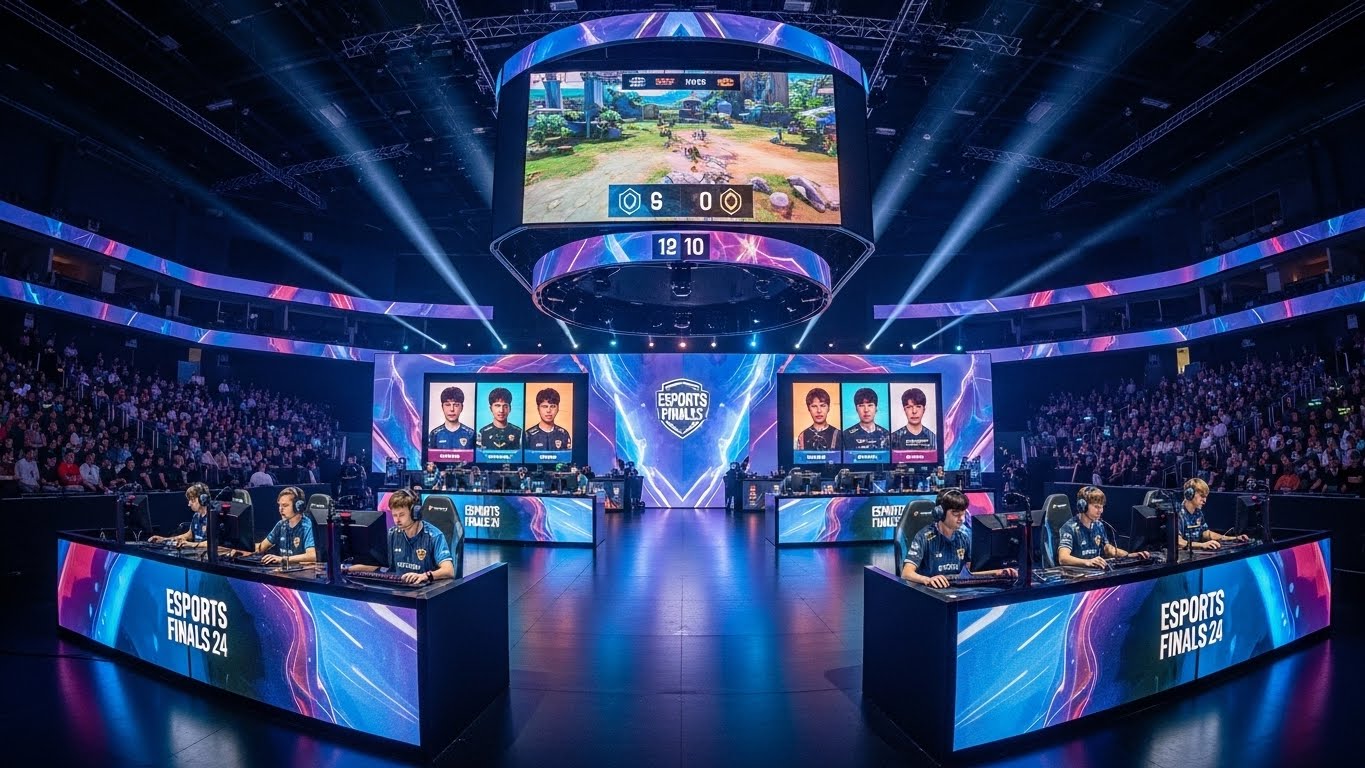
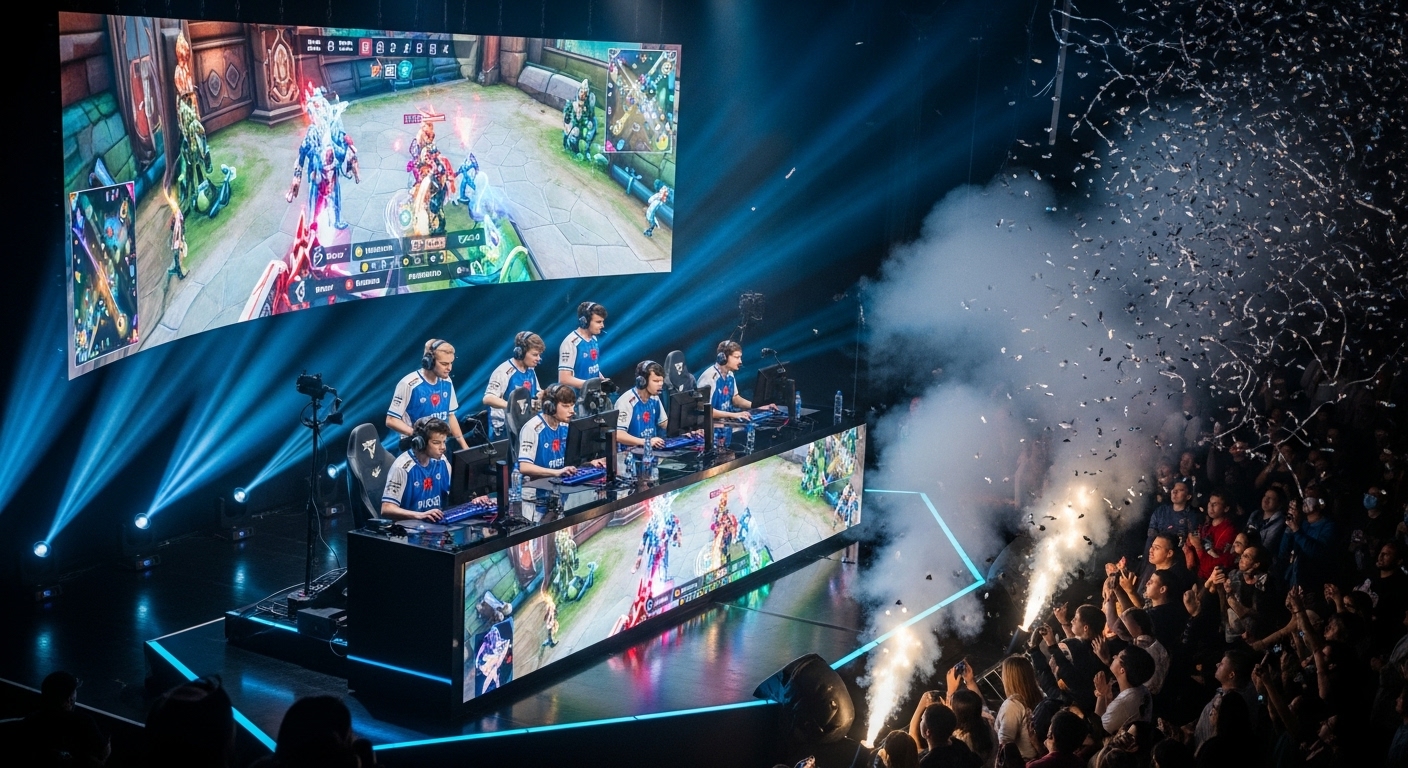
Esports tournaments have become major entertainment events, comparable to traditional sports championships. Competitions such as The International, League of Legends World Championship, and Fortnite World Cup attract large live audiences while streaming to millions of online viewers. These events feature high production values, including professional commentary, stage design, and fan interaction. Tournaments provide not only competitive excitement but also storytelling, drama, and community engagement, turning esports competitions into must-watch global spectacles.
The Role of Streaming Platforms
Streaming platforms have revolutionized esports by connecting players and audiences in real time. Viewers can watch matches, learn strategies, and interact with players during live broadcasts. For professional players, streaming offers a way to build personal brands, engage with fans, and earn additional income. Platforms that support esports create interactive experiences where fans can participate, discuss, and celebrate gameplay, fostering a strong sense of community. Streaming has helped transform esports into a participatory culture rather than a purely observational one.
Esports Organizations and Teams
Esports teams operate similarly to traditional sports franchises. Organizations recruit talented players, provide coaching, and develop strategies for competitions. They also invest in player well-being, including mental health support, fitness training, and career development. Teams cultivate fan loyalty and a strong sense of identity, which enhances audience engagement. Successful team coordination and strategy are essential in competitive play, highlighting the professional and disciplined nature of esports.
Global Communities and Fan Engagement
Esports has created vibrant global communities that connect players and fans from diverse backgrounds. Online forums, social media platforms, and fan groups provide spaces for discussion, collaboration, and shared experiences. Fans celebrate victories, analyze gameplay, and create fan art, contributing to a dynamic and engaged culture. These communities bridge geographical and cultural divides, demonstrating esports’ ability to connect people worldwide through a shared passion for gaming.
Training, Strategy, and Mental Resilience
Competitive gaming requires more than quick reflexes; it demands mental resilience, strategic thinking, and adaptability. Professional players develop skills in decision-making under pressure, communication, and teamwork. Many also engage in mental and physical training to maintain peak performance. The discipline, focus, and preparation involved in esports underscore the dedication required to succeed at the highest levels, challenging outdated perceptions of gaming as purely recreational.
Esports in Education
Educational institutions increasingly recognize the value of esports for student development. Schools and universities are offering esports programs, scholarships, and competitive teams. Participation teaches teamwork, leadership, strategic thinking, and digital literacy. Additionally, esports education prepares students for careers in gaming, event management, broadcasting, content creation, and game design. By integrating esports into educational programs, institutions validate its significance and foster the next generation of professional players and industry experts.
Technology Driving Esports Growth
Technology plays a pivotal role in the expansion of esports. High-performance gaming equipment, high-speed internet, streaming services, and analytics tools enhance both gameplay and audience experience. Virtual reality and augmented reality promise immersive competitive experiences, while artificial intelligence enables adaptive gameplay, smarter opponents, and in-depth performance analysis. Technology continues to push the boundaries of esports, enhancing accessibility, engagement, and innovation within the industry.
Addressing Common Misconceptions
Despite its global popularity, esports faces skepticism. Critics often dismiss competitive gaming as mere entertainment or question its legitimacy as a profession. In reality, esports requires skill, discipline, teamwork, and strategic thinking. Professional players train extensively, analyze opponents, and perform under high-pressure conditions. Esports combines entertainment, athleticism, and cognitive challenge, earning its place as a respected and serious industry.
Cultural Impact of Esports
Esports has influenced global culture, extending beyond gaming itself. Iconic players, teams, and tournaments inspire fashion, music, media content, and social trends. Cosplay communities, fan art, and conventions demonstrate its creative and social impact. Esports also serves as a platform for personal expression, storytelling, and innovation. Its cultural significance continues to grow as it reshapes entertainment, communication, and community building around the world.
The Future of Esports
The future of esports is poised for further growth and innovation. Emerging technologies such as cloud gaming, virtual reality, and augmented reality will enhance accessibility and immersion. Increased investment from brands and organizations will expand tournaments, leagues, and player development programs. As esports becomes more integrated into mainstream entertainment, its global audience and professional opportunities will continue to grow. The industry is evolving toward greater recognition, inclusion, and technological advancement, offering limitless potential for players, fans, and professionals.
Conclusion: Esports as a Transformative Force
Esports has grown from humble beginnings into a global industry that combines competition, entertainment, and community. It has created professional careers, fostered global connections, and transformed gaming into a respected cultural phenomenon. Whether as a career, a hobby, or a form of entertainment, esports has redefined the possibilities of digital competition. As technology, audience engagement, and professional structures continue to evolve, esports will remain a transformative force shaping the future of entertainment and interactive culture worldwide.