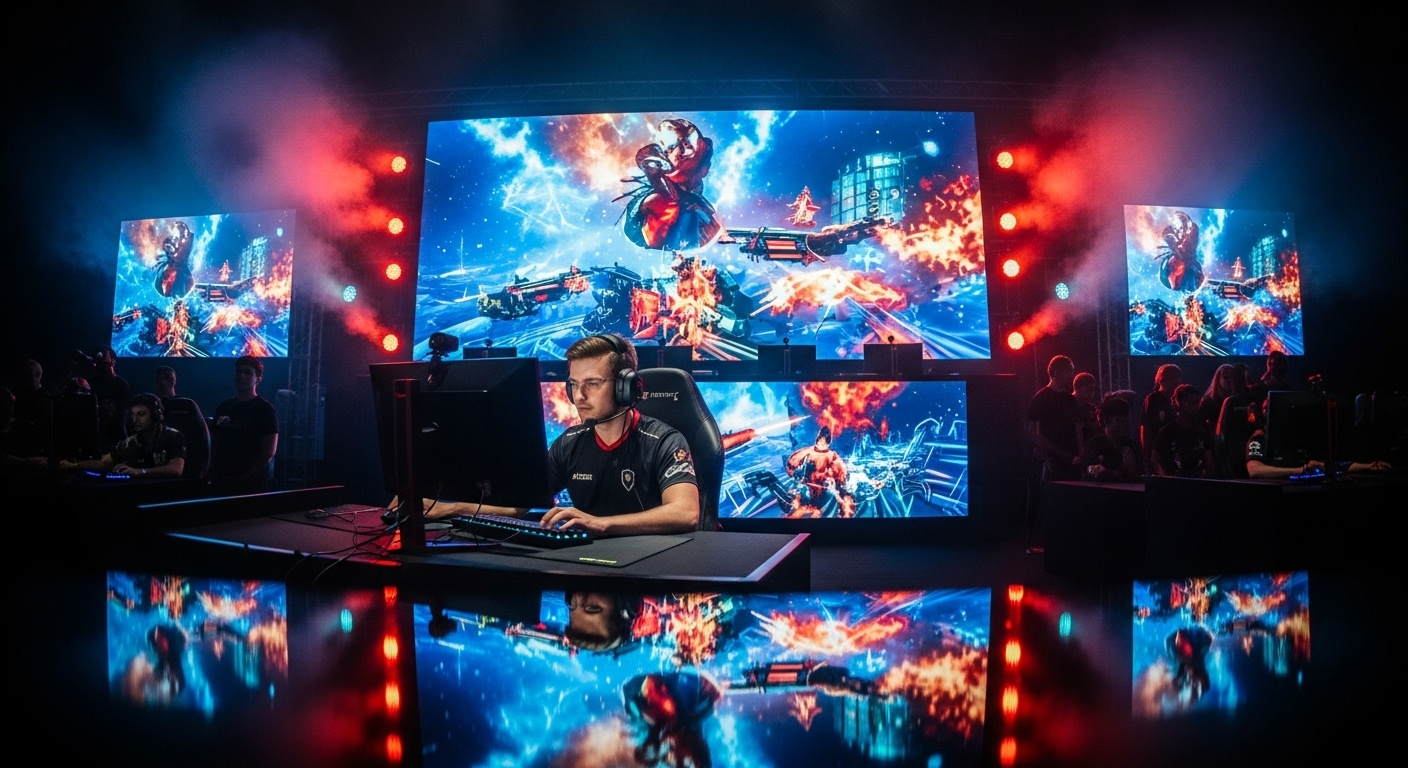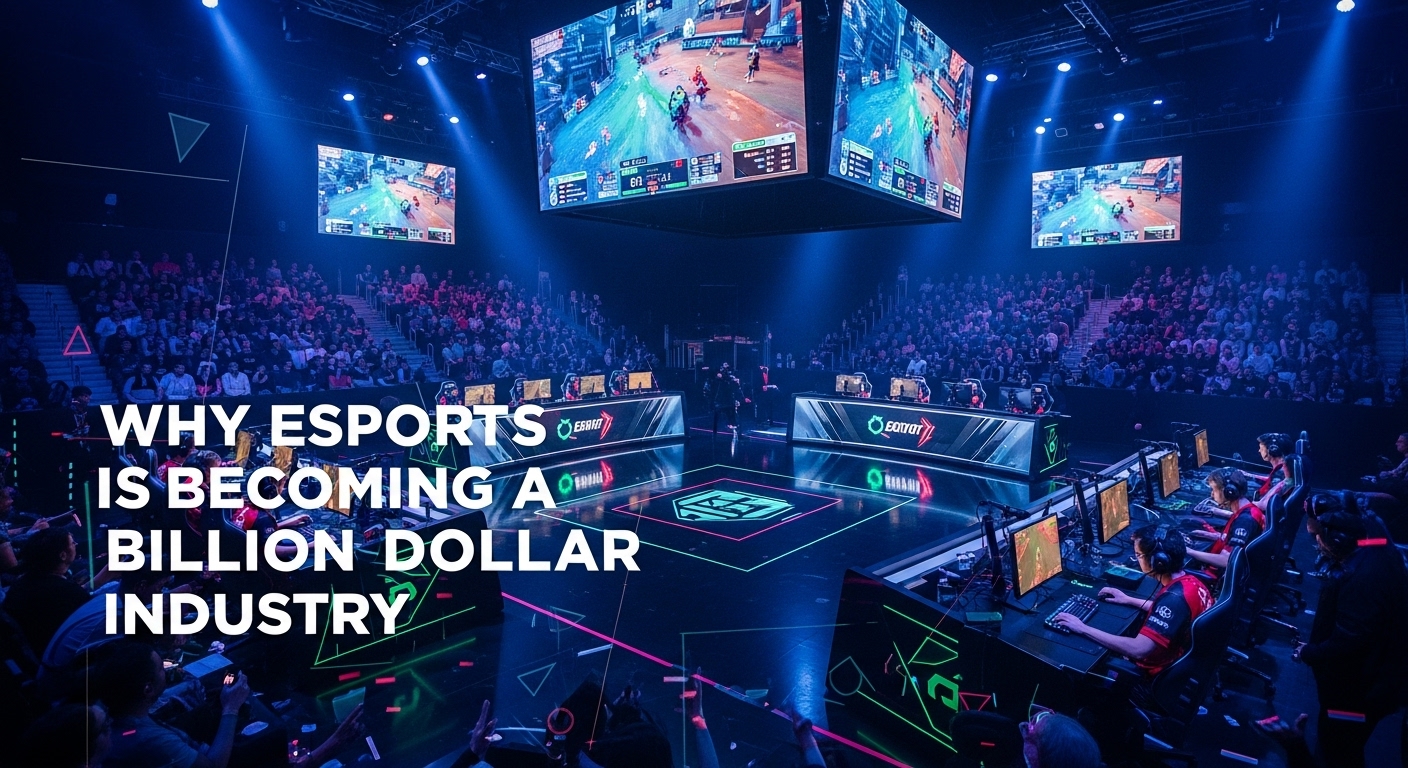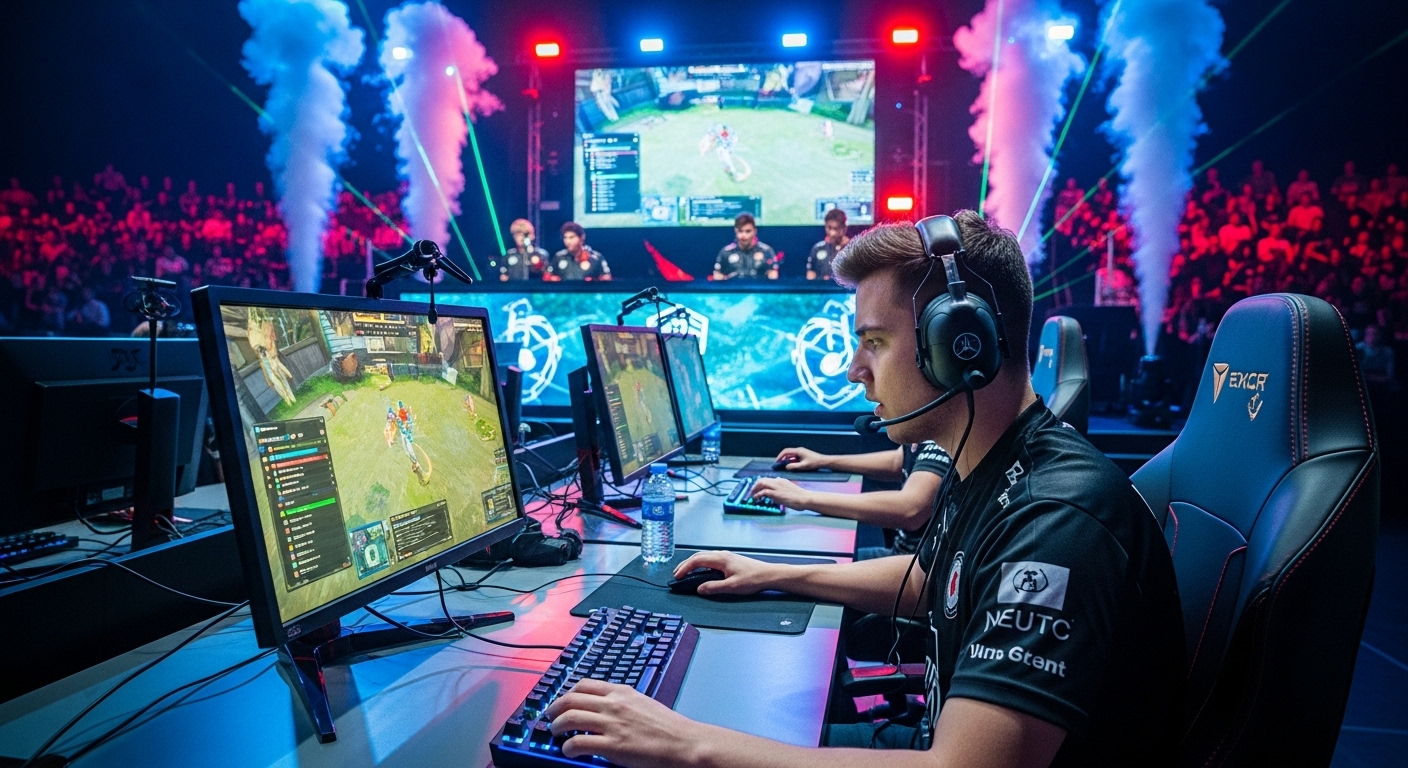
In the last two decades, one of the most remarkable transformations in the entertainment and sports industries has been the meteoric rise of esports. What began as small local tournaments among friends has evolved into a billion-dollar global industry that rivals traditional sports in viewership, sponsorship, and cultural impact. Esports has redefined what it means to be an athlete, revolutionized digital entertainment, and inspired millions of players worldwide to pursue gaming as a professional career. In this blog, we explore the journey of esports, its impact on modern society, and how it continues to shape the future of global competition.
The Evolution of Esports
The concept of competitive gaming is not new. The earliest known video game competition dates back to the 1970s, when players competed in simple arcade games for high scores. However, the real foundation of esports began in the late 1990s and early 2000s with the rise of the internet and multiplayer gaming. Games like Counter-Strike, StarCraft, and Quake allowed players from around the world to compete against each other online, creating the first true global gaming communities.
The early esports scene was driven by passion rather than profit. Players would gather in internet cafés and small gaming events, often with modest prizes. However, as technology advanced and gaming became more accessible, these communities grew exponentially. The introduction of online platforms, live streaming, and digital broadcasting gave rise to an entirely new era of competitive gaming—one that would transform esports into a legitimate industry.
The Professionalization of Esports
The turning point for esports came when major organizations began investing in professional leagues and structured tournaments. Games like League of Legends, Dota 2, and Counter-Strike: Global Offensive became the cornerstones of the professional esports scene. Developers started creating competitive ecosystems with official leagues, teams, and sponsorships, mirroring the structure of traditional sports.
Today, esports is a highly organized industry with professional players, coaches, analysts, and managers. Top-tier players are treated like athletes, with rigorous training schedules, strategic planning, and even physical fitness programs. They compete for multimillion-dollar prize pools in front of massive audiences both online and in packed arenas. The professionalization of esports has also led to the creation of dedicated organizations that function like sports clubs, complete with branding, merchandise, and fan communities.
The rise of esports organizations such as Team Liquid, Fnatic, and Cloud9 has further solidified the legitimacy of competitive gaming. These organizations recruit talent from across the globe and provide players with training facilities, salaries, and sponsorship deals. This level of structure and professionalism has made esports a viable career choice for thousands of players worldwide.
The Role of Streaming and Digital Media
A major factor behind the explosion of esports has been the rise of live streaming and digital media platforms. Before streaming became popular, esports was mostly confined to niche audiences. However, with platforms dedicated to gaming content, fans can now watch live tournaments, follow their favorite players, and interact with communities in real-time.
Streaming transformed esports from a hidden subculture into a mainstream form of entertainment. Today, major tournaments attract millions of viewers, often surpassing the viewership numbers of traditional sports events. The ability to broadcast games live to a global audience has democratized esports, allowing players from any region to showcase their talent and build personal brands.
Moreover, the accessibility of esports content has played a crucial role in attracting sponsors and advertisers. Brands that once invested heavily in traditional sports are now recognizing the potential of esports audiences—young, tech-savvy, and highly engaged. This has brought in significant financial investments, helping the industry grow even further.
Esports and the Global Economy
The global esports market has become a powerhouse in the entertainment industry. With revenues exceeding billions of dollars annually, esports is now a major contributor to the digital economy. The industry generates income through multiple streams, including sponsorships, media rights, merchandise sales, ticket sales, and in-game purchases.
Sponsorship remains one of the largest sources of revenue for esports. Major brands from sectors such as technology, energy drinks, automotive, and fashion are investing heavily in esports to reach younger demographics. Media rights have also become a lucrative market, with major broadcasting networks and streaming platforms competing for exclusive coverage of tournaments.
In addition to financial growth, esports has also contributed to job creation. The industry supports thousands of professionals across different fields, including event organizers, commentators, marketing specialists, and software developers. Universities around the world have started offering esports management degrees, and some even provide scholarships to aspiring players. The ecosystem surrounding esports continues to expand, making it one of the most promising industries of the modern era.
The Global Appeal of Esports
One of the most fascinating aspects of esports is its universal appeal. Unlike traditional sports, which often have regional dominance, esports transcends cultural and geographical boundaries. Players from Asia, Europe, North America, and beyond compete on equal footing, and fans from around the world tune in to support their favorite teams.
Asia, particularly South Korea and China, has played a pivotal role in the growth of esports. South Korea, often regarded as the birthplace of professional gaming, developed the first dedicated esports leagues and infrastructure. The country’s emphasis on competitive gaming helped elevate esports into a respected career path. Meanwhile, China has become one of the largest markets for esports, with millions of fans and massive government support for gaming-related initiatives.
In Western countries, esports has also gained mainstream recognition. The United States and Europe have developed strong competitive scenes across multiple games, and major cities now host large-scale esports events in stadiums. The global nature of esports has created a truly international community that celebrates diversity and inclusivity.
Esports as a Legitimate Sport
A long-standing debate surrounds whether esports should be considered a real sport. Traditionalists often argue that esports lacks the physical component of conventional sports. However, proponents emphasize that esports demands strategic thinking, teamwork, hand-eye coordination, and mental endurance—qualities that are just as vital in traditional sports.
Many sporting organizations and governments are beginning to recognize esports as a legitimate competitive discipline. Several countries now classify professional gamers as athletes, granting them the same benefits and recognition as traditional sports players. Major sporting events, including the Asian Games, have even introduced esports as a medal event, signaling a growing acceptance of competitive gaming in the global sports arena.
The Future of Esports: Opportunities and Challenges
The future of esports looks incredibly bright, but it also faces unique challenges. As the industry grows, issues such as player burnout, regulation, and fair competition must be addressed. Professional players often face intense pressure, long practice hours, and mental strain, which can lead to early retirement. Organizations are now focusing on improving player welfare, offering mental health support, and promoting work-life balance.
Regulation is another major area of focus. With so many different games, regions, and tournament organizers, maintaining consistent rules and standards is challenging. The industry needs a unified global structure to ensure transparency, fair play, and the protection of player rights.
Despite these challenges, the opportunities for growth are immense. The integration of emerging technologies such as virtual reality, augmented reality, and artificial intelligence could redefine how esports are played and consumed. Virtual esports arenas and interactive viewing experiences may soon become a reality, bringing fans closer to the action than ever before.
The expansion of mobile esports is another major trend. With smartphones becoming more powerful and affordable, mobile gaming has opened up esports to millions of new players, particularly in developing regions. Games like Mobile Legends, PUBG Mobile, and Free Fire have created massive competitive ecosystems, proving that mobile gaming is not just casual entertainment but a legitimate esports platform.
The Cultural Impact of Esports
Beyond economics and entertainment, esports has had a profound cultural impact. It has created new communities, forged international friendships, and inspired countless individuals to pursue their passions. Esports has also changed perceptions about gaming, proving that video games can foster teamwork, discipline, and innovation.
In addition, esports has become a form of self-expression for many players. It allows individuals from different backgrounds to connect and compete on an equal platform, promoting inclusivity and diversity. The rise of esports has also inspired educational institutions to incorporate gaming into their programs, teaching students valuable skills such as strategic thinking, leadership, and digital literacy.
Conclusion: A New Era of Competition
Esports has evolved from a niche hobby into a global phenomenon that commands the attention of millions. It has redefined entertainment, challenged traditional sports, and created new opportunities for innovation and creativity. As technology continues to advance, esports will only grow more immersive, accessible, and influential.
The rise of esports represents more than just the growth of gaming—it symbolizes the dawn of a new era in human competition. The passion, dedication, and skill of professional gamers have proven that esports is not just a pastime but a true sport of the digital age. The future of esports is limitless, and as the industry continues to evolve, it will inspire generations to come to embrace the power of technology, community, and competition.